
Mastering Pet Grooming Tools for Healthy Coats
Regular use of pet grooming tools can make a significant difference in your pet’s overall health and appearance. With so many different types of tools available, it can be overwhelming to choose the right ones for your pet’s specific needs. Pet grooming tools are designed to help remove dirt, tangles, and mats from your pet’s coat, while also promoting healthy skin and a shiny coat.
According to a recent survey, over 70% of pet owners groom their pets at home, but many are unsure about which tools to use or how to use them effectively. This lack of knowledge can lead to ineffective grooming, which can result in skin irritation, matting, and other health problems. By choosing the right pet grooming tools and using them correctly, you can help keep your pet clean and healthy.
One of the most important things to consider when choosing pet grooming tools is your pet’s coat type. Different breeds and types of pets have unique coat characteristics that require specific types of tools. For example, pets with long, curly coats require a different type of brush than those with short, smooth coats.
Choosing the Right Pet Grooming Tools
Brushes and Combs for Different Coat Types
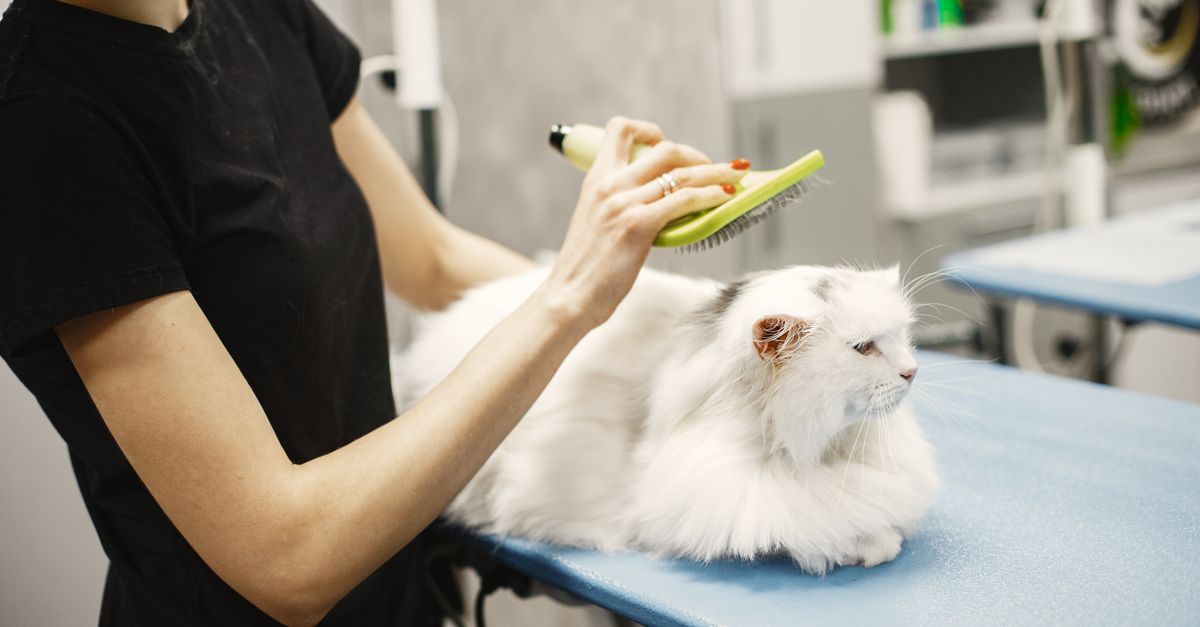
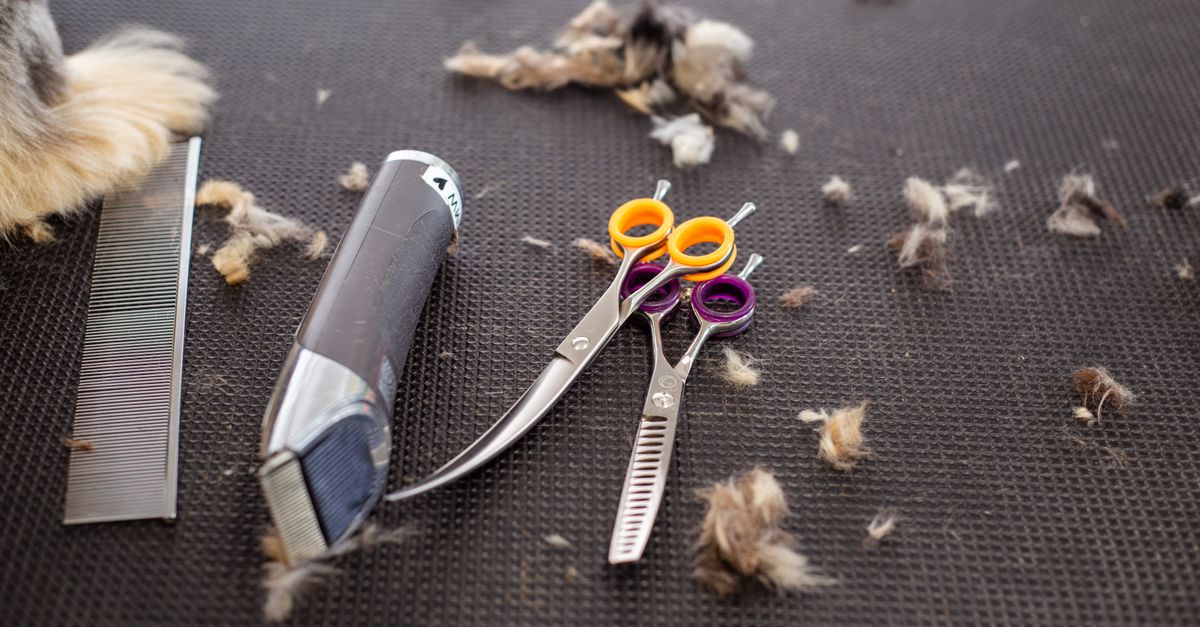
There are several types of brushes and combs available, each designed for specific coat types. Slicker brushes are best for pets with short, smooth coats, while pin brushes are better suited for pets with long, curly coats. Combs, such as wide-tooth combs and fine-tooth combs, are also necessary for removing tangles and mats from your pet’s coat.
When using brushes and combs, be gentle and patient. Start with short sessions and gradually increase the duration as your pet becomes more comfortable with the process. Reward your pet with treats and praise for good behavior, making the grooming process a positive experience for both you and your pet. For more information on hypoallergenic grooming, check out our article on the topic.
Using the right tools can make a significant difference in the grooming process. By choosing the right brush or comb for your pet’s coat type, you can make the grooming process easier and more effective.
Nail Clippers and Other Grooming Tools
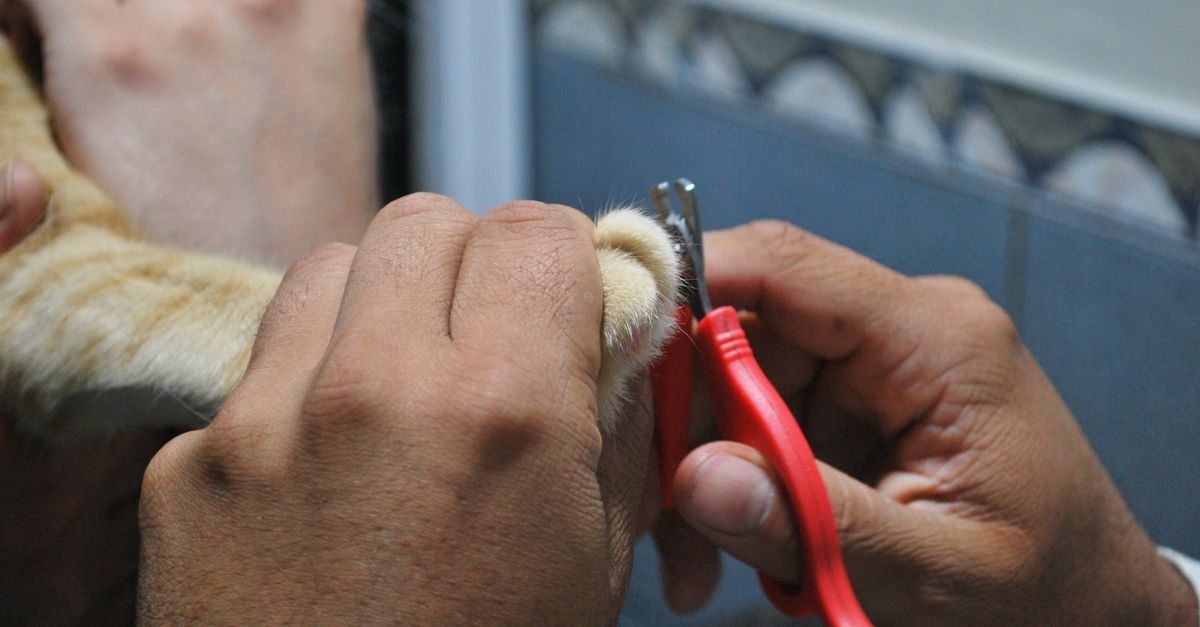
In addition to brushes and combs, there are several other pet grooming tools that are necessary for your pet’s health. Nail clippers, for example, are necessary for keeping your pet’s nails trimmed and healthy. There are different types of nail clippers available, including scissor-style clippers and guillotine-style clippers.
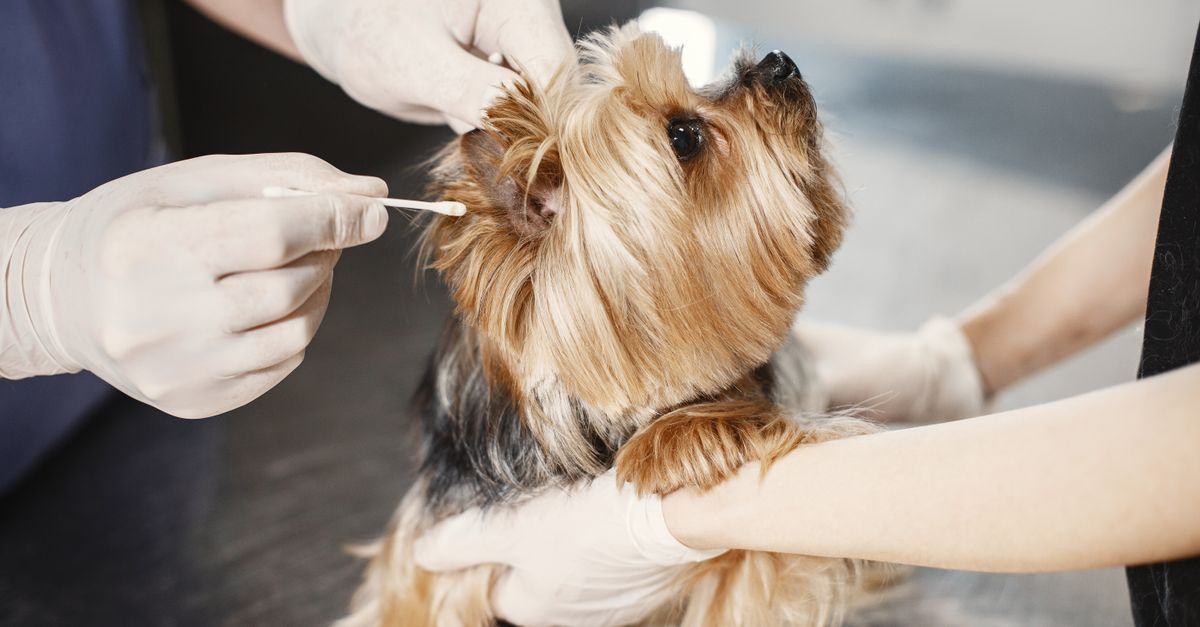
Other necessary pet grooming tools include ear cleaners, toothbrushes, and shedding rakes. Ear cleaners help to remove dirt and wax from your pet’s ears, while toothbrushes promote healthy teeth and gums. Shedding rakes help to remove loose hair and reduce shedding. For more information on pet ear cleaning, check out our article on the topic.
Tips and Tricks for Easy and Stress-Free Grooming
Pre-Grooming Preparation
Before you start grooming your pet, prepare them for the process. Brush them gently to remove any tangles or mats, and get them used to the sound and feel of the grooming tools. Provide a calm and comfortable environment, such as a quiet room or a grooming table. For more information on pet anxiety solutions, check out our article on the topic.
Choose the right time for grooming. Avoid grooming your pet when they are hungry, thirsty, or tired, as this can make the process more stressful for both you and your pet. Try to groom your pet when they are relaxed and calm, such as after a walk or playtime.
Grooming Techniques and Strategies
When grooming your pet, there are several techniques and strategies that can make the process easier and more effective. Be gentle and patient, especially when grooming sensitive areas such as the ears and eyes. By using the right tools and techniques, you can help prevent skin irritation and other health problems. For more information on pet skin allergies, check out our article on the topic.
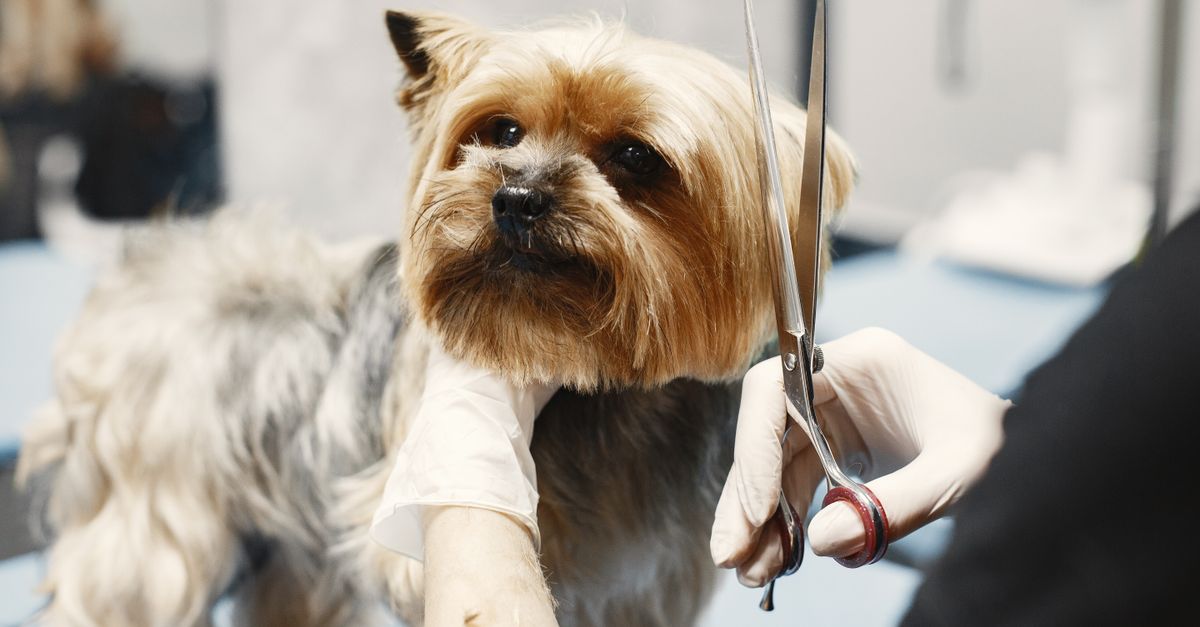
Groom your pet in sections, starting with the head and working your way down to the tail. This helps to prevent matting and tangling, and makes the grooming process more manageable. Use a grooming table or a non-slip mat to help keep your pet stable and secure during the grooming process.
Common Mistakes to Avoid When Grooming Your Pet
Avoiding Skin Irritation and Allergic Reactions
One of the most common mistakes to avoid when grooming your pet is using the wrong tools or techniques, which can cause skin irritation and allergic reactions. This can be especially problematic for pets with sensitive skin or allergies, and can lead to a range of health problems. By choosing the right tools and techniques, and being gentle and patient, you can help prevent skin irritation and other health problems. For more information on pet allergy testing, check out our article on the topic.
Avoid grooming your pet too frequently, which can cause skin irritation and dryness. Instead, try to groom your pet on a regular basis, such as once or twice a week, depending on their coat type and needs.
Avoiding Injury and Stress
When grooming your pet, avoid injury and stress. This can be especially problematic for pets that are nervous or anxious, and can lead to a range of health problems. By being gentle and patient, and using the right tools and techniques, you can help prevent injury and stress, and make the grooming process a positive experience for both you and your pet. For more information on pet stress and vet visits, check out our article on the topic.
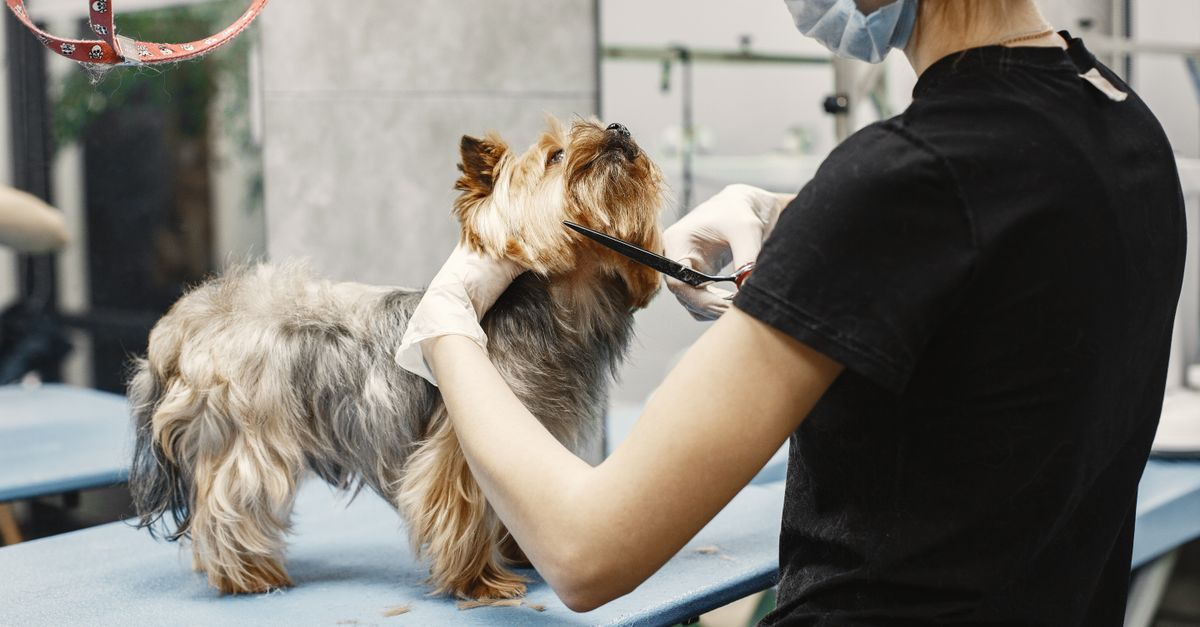
Handle your pet carefully and gently, especially when grooming sensitive areas such as the ears and eyes. By being careful and gentle, you can help prevent injury and stress, and make the grooming process a positive experience for both you and your pet.
The Importance of Regular Grooming for Pets
Benefits for Health and Well-Being
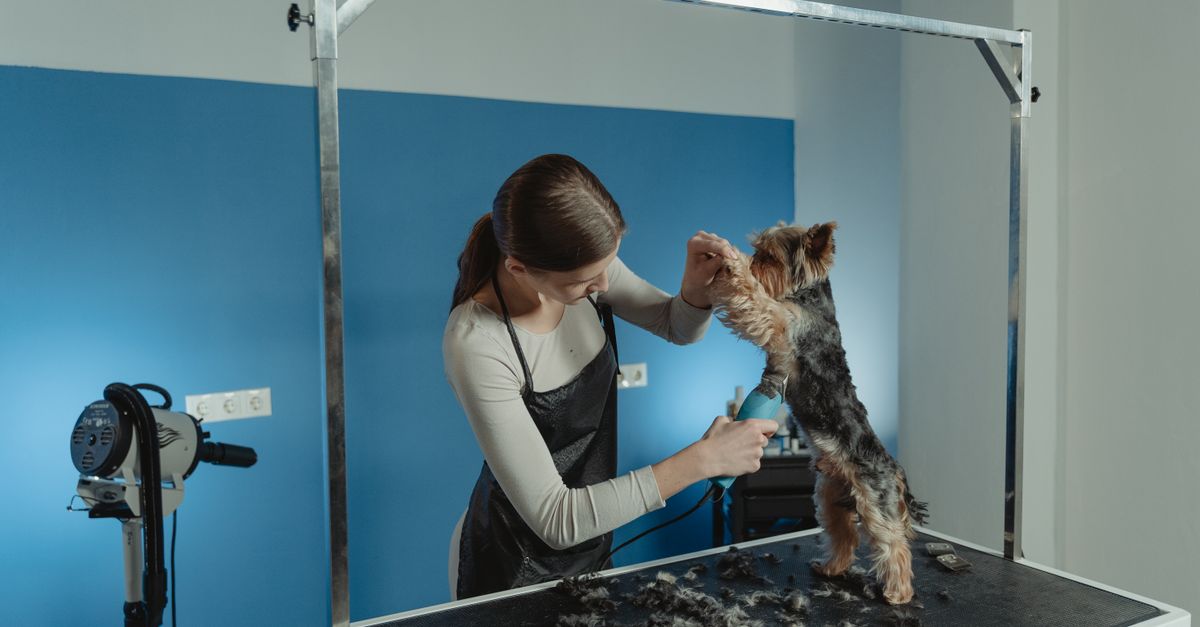
Regular grooming is necessary for your pet’s health and can help prevent a range of health problems. By removing dirt, tangles, and mats from your pet’s coat, you can help keep their skin clean and healthy, while also preventing skin irritation and other health problems. For more information on pet shedding reduction, check out our article on the topic.
Regular grooming can also help reduce shedding and prevent hairballs, which can be especially problematic for pets with long or thick coats. By grooming your pet regularly, you can help remove loose hair and reduce shedding, while also preventing hairballs and other health problems.
Benefits for the Human-Animal Bond
Regular grooming can also have a range of benefits for the human-animal bond, and can help strengthen the relationship between you and your pet. By spending quality time with your pet, and showing them care and attention, you can help build trust and affection, while also promoting a sense of calm and relaxation. For more information on pet body language, check out our article on the topic.

Regular grooming can also provide an opportunity for socialization and training, and can help your pet become more confident and well-behaved. By using positive reinforcement techniques, such as treats and praise, you can help your pet learn to enjoy the grooming process, while also promoting good behavior and a strong bond between you and your pet.
Pro tip: Always introduce grooming tools slowly and gently to your pet, and reward them with treats and praise for good behavior.
Frequently Asked Questions
Below, we answer some of the most frequently asked questions about pet grooming tools and the grooming process. Whether you’re a seasoned pet owner or a newcomer to the world of pet grooming, these questions and answers can provide valuable insights and tips for keeping your pet clean and healthy.
What are the most common mistakes to avoid when grooming my pet?
Some of the most common mistakes to avoid when grooming your pet include using the wrong tools or techniques, grooming too frequently, and handling your pet roughly or carelessly. By avoiding these mistakes, you can help prevent skin irritation, injury, and stress, and make the grooming process a positive experience for both you and your pet.
How often should I groom my pet?
The frequency of grooming depends on your pet’s coat type and needs. For example, pets with long or thick coats may require more frequent grooming, while those with short or smooth coats may require less frequent grooming. As a general rule, it’s a good idea to groom your pet at least once or twice a week, depending on their individual needs and requirements.
What are the benefits of regular grooming for my pet’s health and well-being?
Regular grooming can have a range of benefits for your pet’s health and well-being, including removing dirt, tangles, and mats from their coat, reducing shedding and preventing hairballs, and promoting healthy skin and a shiny coat. By following a regular grooming routine, you can help keep your pet clean and healthy, while also strengthening the bond between you and your pet.
By choosing the right pet grooming tools and using them effectively, you can make a significant difference in your pet’s overall health and appearance. To always introduce grooming tools slowly and gently, and to reward your pet with treats and praise for good behavior. With patience and practice, you can help your pet enjoy a happy and healthy life.