
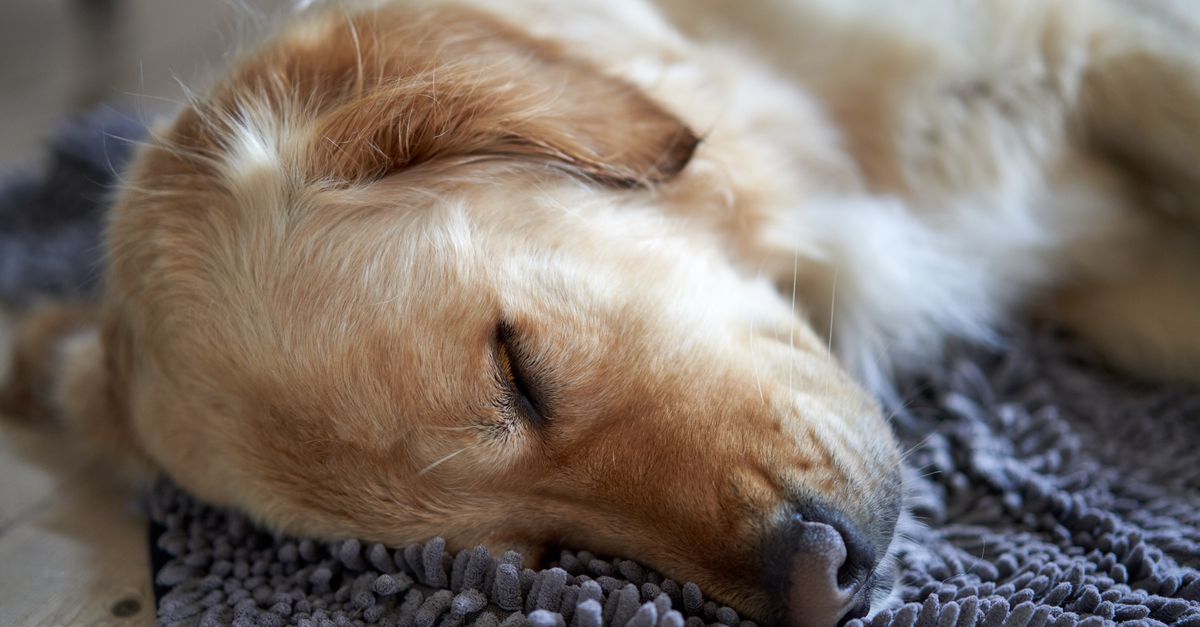
Pet Anxiety Solutions: Calming Your Dog
Approximately 40% of dog owners report that their dog experiences pet anxiety in some form. To address this issue, it’s necessary to understand the underlying causes of pet anxiety solutions and implement a comprehensive plan to calm your dog. One of the most common causes of anxiety in dogs is separation anxiety, which can be triggered by changes in your work schedule or travel.
Dog owners can identify the root cause of their dog’s anxiety and develop a personalized plan to address it. This may involve working with a professional dog trainer or behaviorist to identify triggers and develop strategies for managing anxiety. Various calming aids and techniques are available, such as pheromone diffusers, calming treats, and exercise routines, which can help reduce your dog’s anxiety levels.
Establishing a consistent routine and providing a calm environment can be beneficial for dogs experiencing anxiety. This can include creating a quiet space for your dog to relax, reducing noise levels, and providing opportunities for exercise and socialization. By taking a holistic approach to addressing your dog’s anxiety, you can help reduce their stress levels and improve their overall well-being.
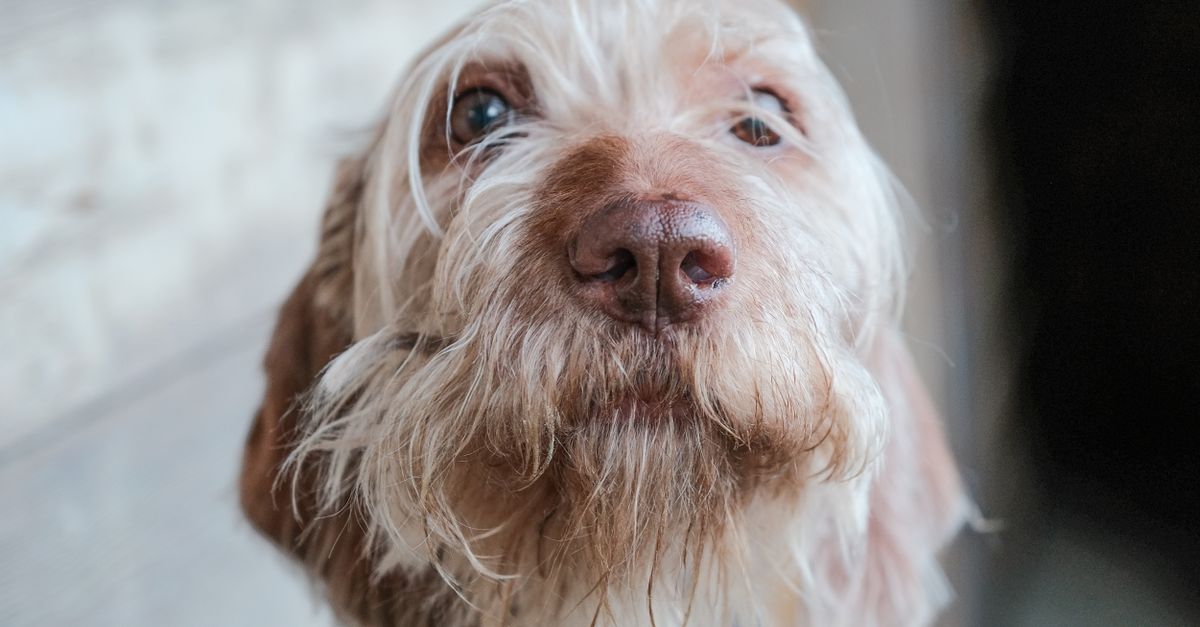
Identifying the Causes of Pet Anxiety

Common Triggers of Anxiety in Dogs
Dogs can experience anxiety due to factors such as separation anxiety, noise phobias, and social anxiety. Separation anxiety occurs when a dog becomes distressed when left alone, while noise phobias can be triggered by loud noises like thunderstorms or fireworks. Social anxiety can be caused by interactions with other dogs or people.
Recognizing the Signs of Anxiety in Dogs
Recognizing the signs of anxiety in dogs is crucial for providing effective support and care. Common signs of anxiety in dogs include panting, pacing, and whining. In some cases, dogs may exhibit destructive behavior, such as chewing or digging, due to anxiety. By being aware of these signs, dog owners can take steps to address their dog’s anxiety.
Calming Aids and Techniques
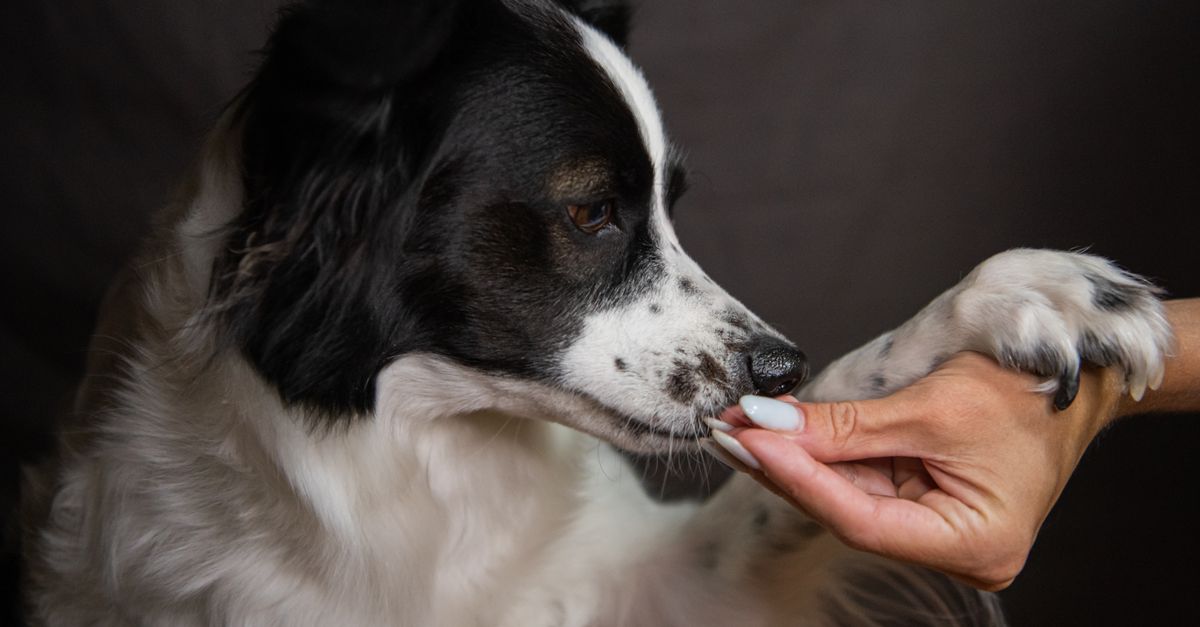
Pheromone Diffusers and Calming Treats
Pheromone diffusers and calming treats can be effective tools for reducing anxiety in dogs. Pheromone diffusers mimic the calming scent that mother dogs produce to calm their puppies, while calming treats contain natural ingredients like L-theanine and chamomile.
| Calming Aid | Effectiveness | Time to Take Effect |
|---|---|---|
| Pheromone Diffusers | High | Immediate |
| Calming Treats | Medium | 30 minutes to 1 hour |
| Exercise Routines | High | 1-2 hours |
Exercise Routines and Play Therapy
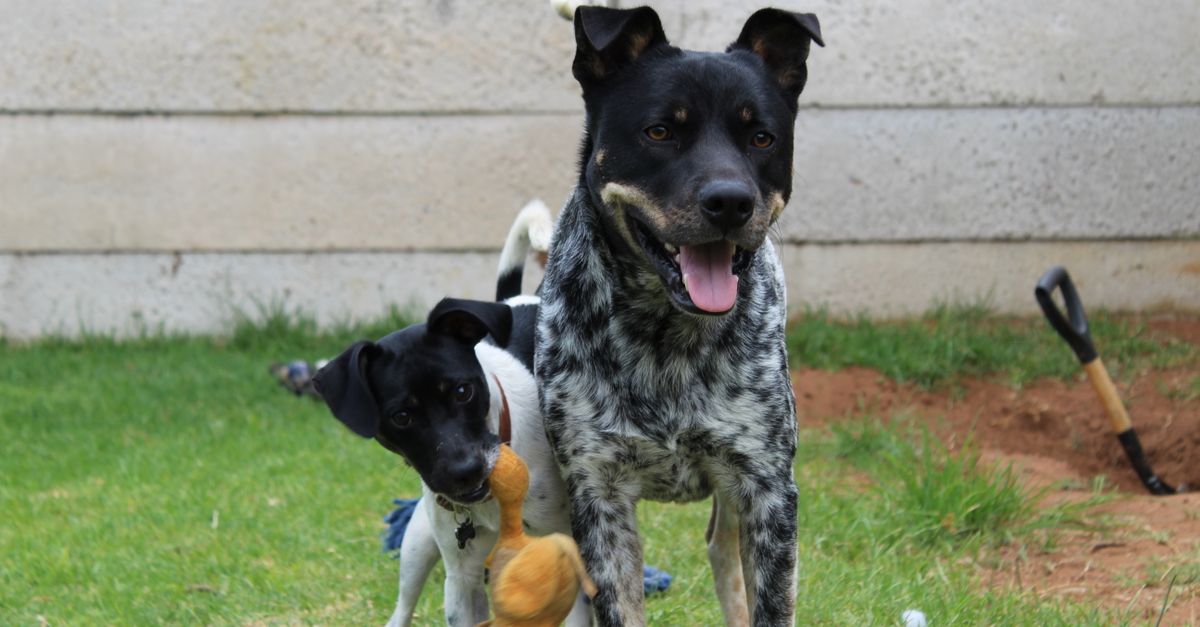
Regular exercise and play therapy can be beneficial for reducing anxiety in dogs. Exercise can help reduce stress and anxiety by releasing endorphins. Play therapy can provide mental stimulation and help distract dogs from anxiety triggers.
Creating a Calm Environment
Lighting and Noise Levels
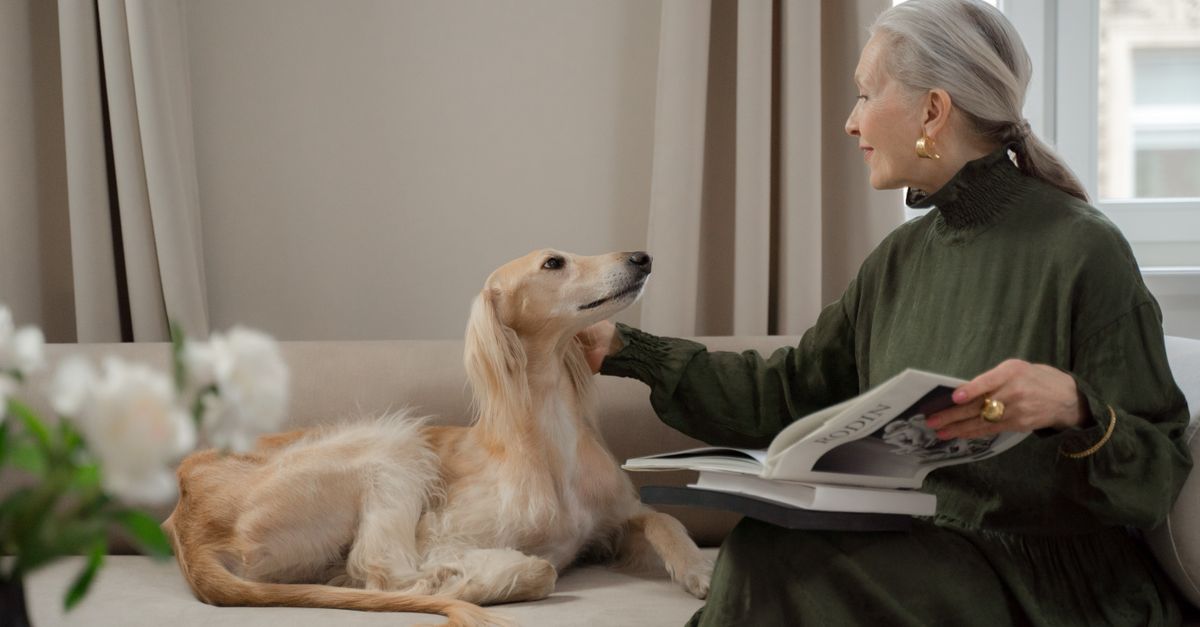
Creating a calm environment for your dog can involve adjusting lighting and noise levels. Soft, calming music and dim lighting can help reduce anxiety, while loud noises can exacerbate the problem. For more information on creating a calm environment, you can visit our article on Pet Sun Protection: Safe Outdoor Fun.
Social Interaction and Training
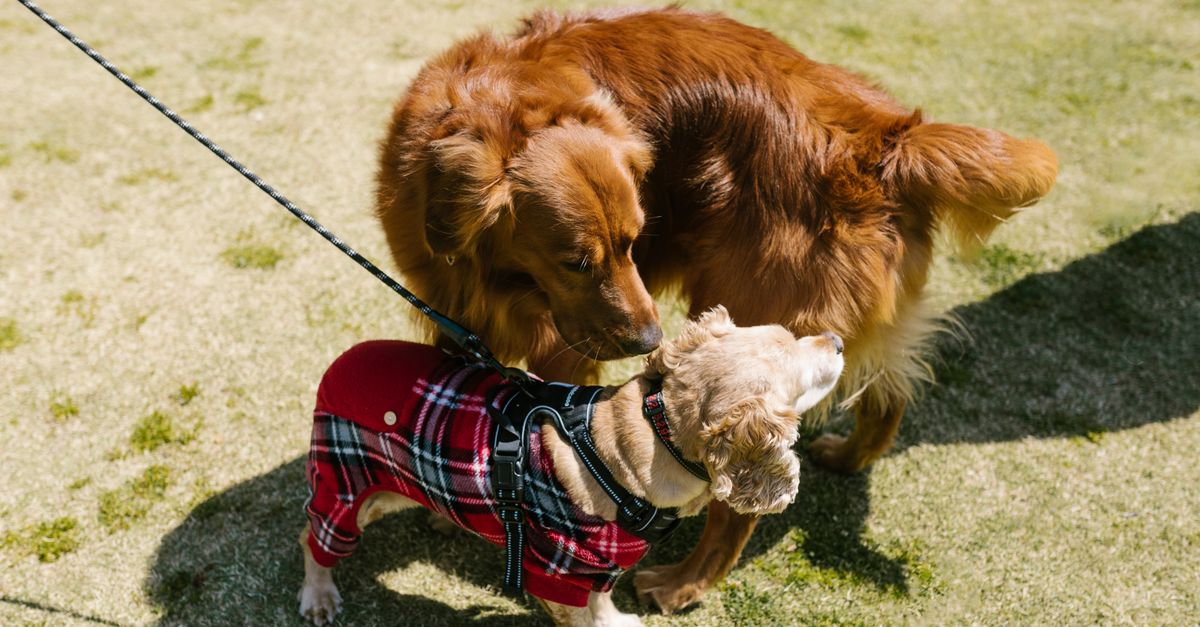
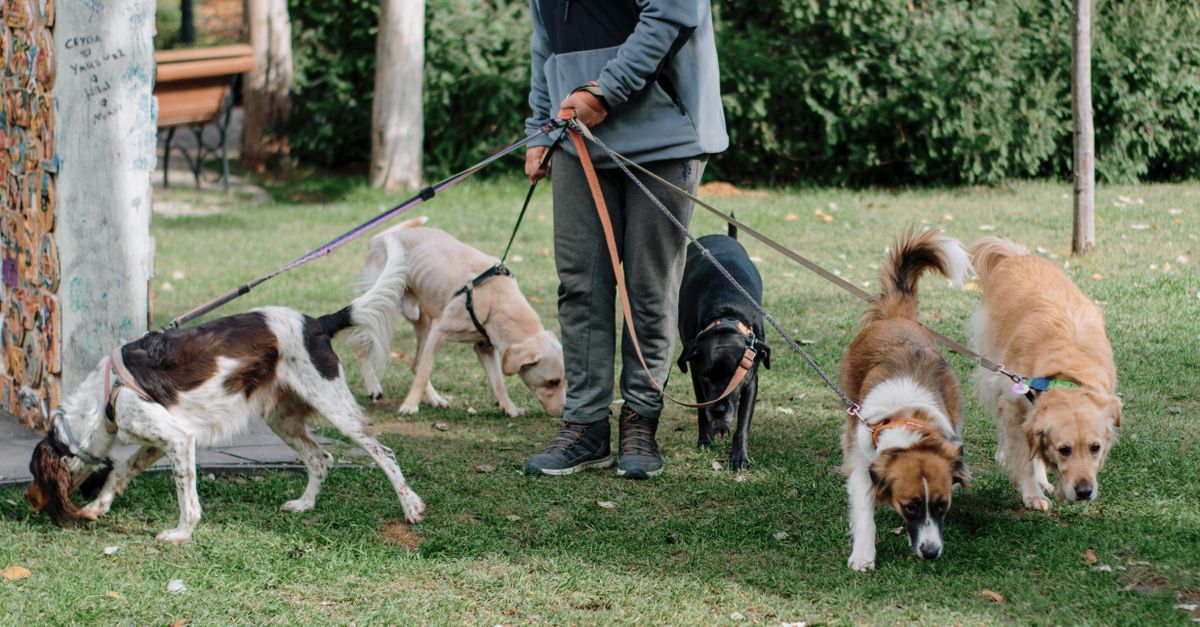
Social interaction and training are crucial for reducing anxiety in dogs. Socialization can help dogs become more confident and calm in new environments, while training can provide mental stimulation and help distract dogs from anxiety triggers. For more information on socialization and training, you can visit our article on Pet Grooming Tips: Easy At-Home Care.
Consistency is key when it comes to calming your anxious dog. Establish a regular routine and stick to it to help your dog feel more secure and calm.
Seeking Professional Help

When to Seek Help
Some cases of anxiety may require professional help. If your dog’s anxiety is severe or persistent, it’s essential to seek help from a professional dog trainer or behaviorist. They can help you identify the underlying causes of your dog’s anxiety and develop a personalized plan to address it. For more information on seeking professional help, you can visit our article on How to Reduce Pet Stress During Vet Visits.
Working with a Professional
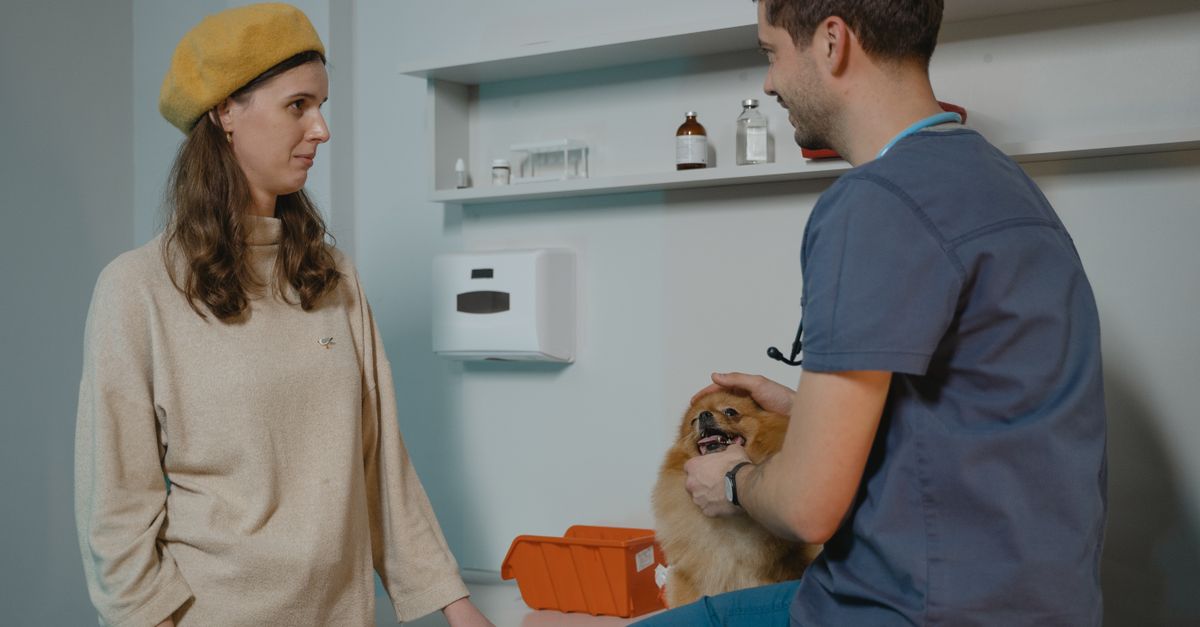
Working with a professional dog trainer or behaviorist can be beneficial for addressing your dog’s anxiety. They can provide personalized guidance and support, as well as help you develop a comprehensive plan to reduce your dog’s anxiety levels. For more information on working with a professional, you can visit our article on Mastering Pet Allergy Testing at Home.
Frequently Asked Questions
Frequently asked questions about pet anxiety solutions can provide valuable insights and guidance for dog owners. Below are some common questions and answers to help you better understand and address your dog’s anxiety.
What are the most common causes of anxiety in dogs?
The most common causes of anxiety in dogs include separation anxiety, noise phobias, and social anxiety. These triggers can cause significant distress for dogs, and it’s essential to identify and address them to provide effective support and care.
How can I tell if my dog is experiencing anxiety?
Common signs of anxiety in dogs include panting, pacing, and whining. In some cases, dogs may exhibit destructive behavior, such as chewing or digging, due to anxiety. By being aware of these signs, dog owners can take steps to address their dog’s anxiety.
What are some effective calming aids and techniques for dogs?
Effective calming aids and techniques for dogs include pheromone diffusers, calming treats, exercise routines, and play therapy. These tools can help reduce anxiety levels and provide a more calm and comfortable environment for your dog. For more information on calming aids and techniques, you can visit our article on Mastering Pet Ear Cleaning for Healthy Ears.
Addressing your dog’s anxiety requires a comprehensive approach that includes identifying underlying causes, implementing calming aids and techniques, and seeking professional help when necessary. By taking a holistic approach to addressing your dog’s anxiety, you can help reduce their stress levels and improve their overall well-being. With the right guidance, you can help your dog feel more calm and secure, and improve their quality of life.