
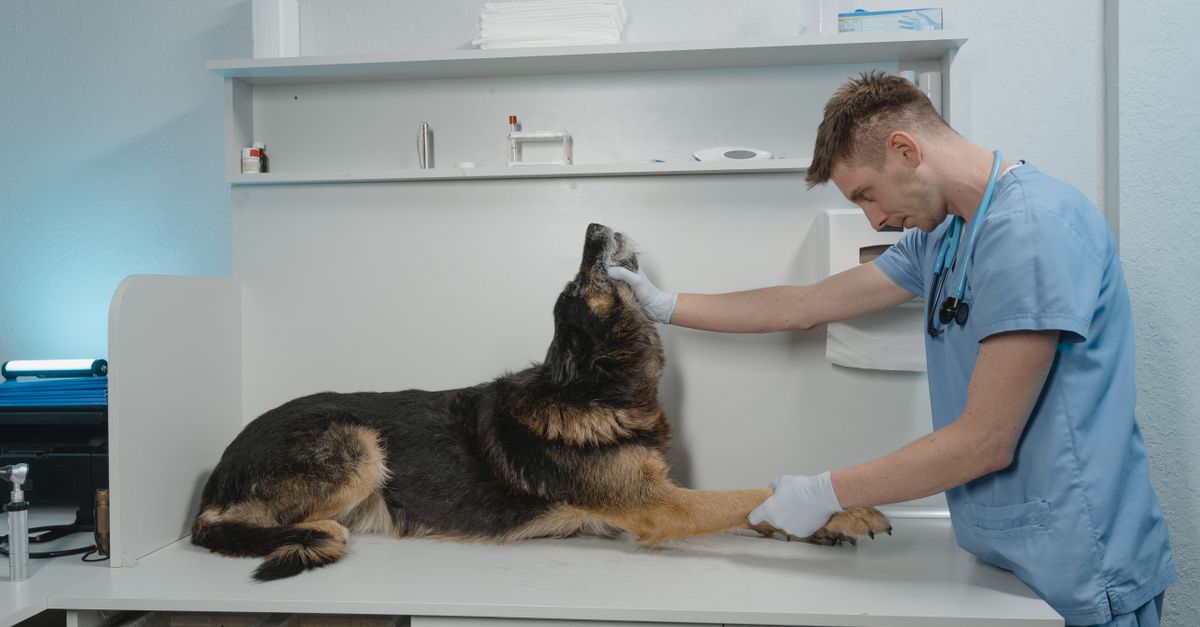
Mastering Pet Allergy Testing at Home
Recent statistics indicate that over 10% of pets suffer from allergies, and pet allergy testing is a key step in identifying the underlying causes. If you suspect that your pet has allergies, you’re likely looking for ways to test them at home. With the rise of at-home pet allergy testing methods, it’s now possible to identify and address your pet’s allergies without relying on expensive veterinary tests.
Allergies can significantly impact your pet’s quality of life, causing symptoms such as itching and scratching, skin lesions, and hot spots. By using at-home pet allergy testing methods, you can take the first step towards alleviating your pet’s suffering.
Before using at-home testing, it’s essential to consult with a veterinarian to rule out any underlying medical conditions that may be causing your pet’s symptoms. Your veterinarian can provide valuable guidance on the best course of action and help you interpret the results of any at-home tests. For more information on how to build a pet first aid kit, check out our previous article.

Understanding Pet Allergies
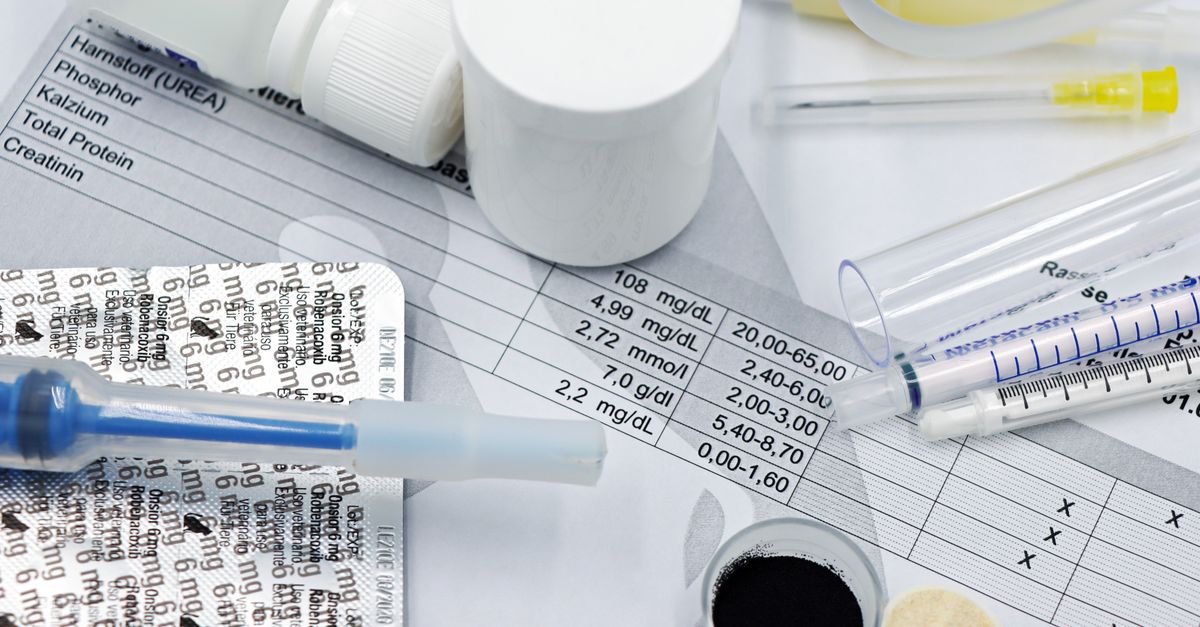
Common Allergens Affecting Pets
Pets can be allergic to a range of substances, including common food allergens like beef and dairy, as well as environmental allergens like pollen and dust. Contact allergens, such as fleas and mites, can also cause significant discomfort for pets.
To minimize the risk of allergies, it’s essential to maintain a clean and hygienic home environment. For more information on how to keep pets hydrated, check out our article.
Signs and Symptoms of Pet Allergies
The signs and symptoms of pet allergies can vary depending on the individual pet and the type of allergy. Common symptoms include itching and scratching, as well as skin lesions and hot spots.
In some cases, pets may also experience ear infections and digestive issues. If you suspect that your pet has an allergy, it’s essential to consult with a veterinarian to determine the best course of action, as discussed in our article on pet ear cleaning.

At-Home Pet Allergy Testing Methods

DIY Kits and Natural Remedies
There are several at-home pet allergy testing methods available, including DIY kits and natural remedies. DIY kits typically involve collecting a sample of your pet’s hair or skin and sending it to a lab for analysis.
Natural remedies, such as omega-3 fatty acids and probiotics, can help to alleviate symptoms and support your pet’s overall health. For more information on pet grooming, check out our previous article.
Step-by-Step Guide for Using At-Home Kits
Using an at-home pet allergy testing kit is relatively straightforward. First, you’ll need to prepare your pet by brushing their hair or collecting a skin sample. Next, you’ll send the sample to the lab for analysis.
Once you receive the results, you can work with your veterinarian to develop a treatment plan. For tips on pet nail trimming, take a look at our article.
Reducing Allergens in the Home Environment
Tips for a Hypoallergenic Home
Reducing allergens in the home environment is crucial for pets with allergies. This can be achieved by frequent cleaning and vacuuming, as well as using HEPA filters and air purifiers.
Additionally, removing carpets and rugs can help to minimize the amount of dust and dander in the home. For more information on reducing pet shedding, check out our previous article.

Consulting with a Veterinarian

Importance of Professional Diagnosis
While at-home pet allergy testing methods can be useful, they should not replace professional diagnosis. A veterinarian can provide a comprehensive diagnosis and develop a treatment plan tailored to your pet’s specific needs.
For example, if your pet is experiencing dog separation anxiety, a veterinarian can help you develop a plan to address this issue.
What to Expect from a Veterinary Consultation
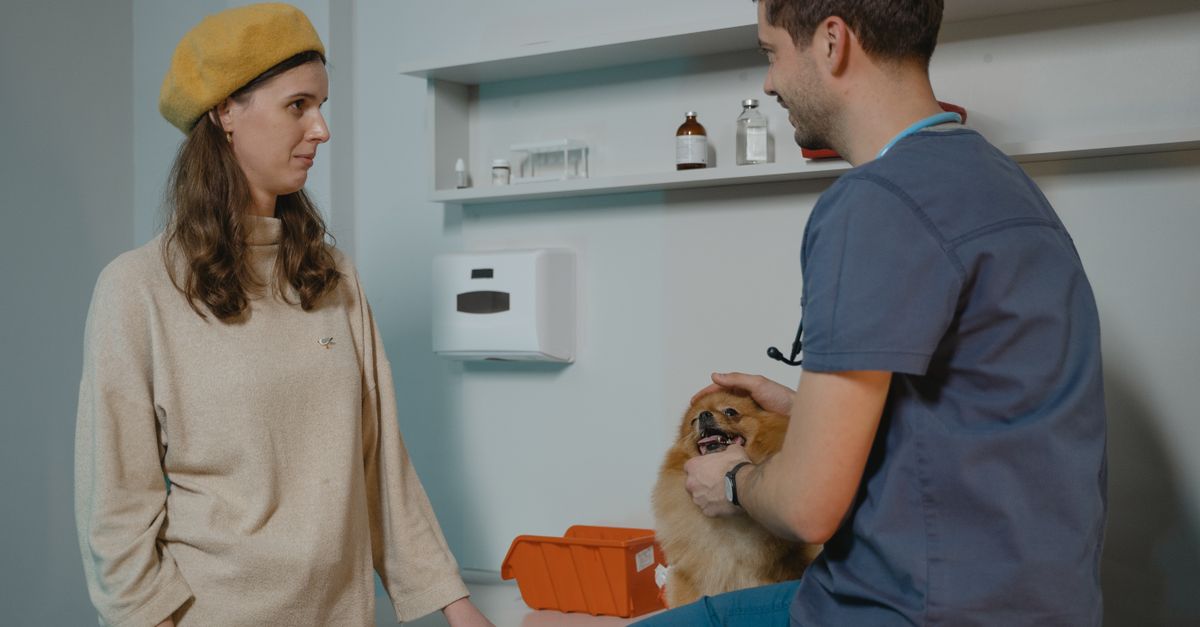
During a veterinary consultation, your veterinarian will discuss your pet’s medical history and symptoms with you. They will also perform a physical examination and may recommend diagnostic tests to determine the underlying cause of your pet’s allergies.
Based on the results, your veterinarian will develop a treatment plan to help alleviate your pet’s symptoms. For more information on pet eye care, take a look at our article.
Pro tip: Always consult with a veterinarian before starting any at-home pet allergy testing, as they can provide valuable guidance and help you interpret the results.
Frequently Asked Questions
If you’re considering at-home pet allergy testing, you likely have some questions. Here are some answers to common FAQs.
Q: What are the most common allergens that affect pets?
The most common allergens that affect pets include food, environmental, and contact allergens. These can include substances like beef, dairy, pollen, and dust.
Q: Can I use human allergy testing kits on my pet?
No, human allergy testing kits are not suitable for pets. Pets have different physiology and biochemistry than humans, and using human testing kits can lead to inaccurate results.
Q: How often should I test my pet for allergies?
The frequency of pet allergy testing depends on your pet’s individual needs and circumstances. If your pet is experiencing symptoms, it’s essential to consult with a veterinarian to determine the best course of action.
At-home pet allergy testing can be a useful tool for identifying and addressing your pet’s allergies. It’s essential to consult with a veterinarian to ensure accurate results and develop a comprehensive treatment plan. By working together with your veterinarian and using at-home testing methods, you can help alleviate your pet’s symptoms and improve their overall health.