
Mastering Pet Ear Cleaning for Healthy Ears
Regular pet ear cleaning is necessary for maintaining your pet’s overall health and preventing infections. According to veterinarians, approximately 20% of dogs and 5% of cats experience ear infections, which can be painful and potentially lead to more severe complications if left untreated. Effective pet ear cleaning requires the right techniques, tools, and understanding of your pet’s specific needs.
Ear infections can be caused by a variety of factors, including ear mites, wax buildup, and allergies. Recognizing the signs of an ear infection is critical for prompt treatment and prevention of further complications. Common symptoms include excessive scratching, redness, and discharge from the ear.
If you suspect your pet has an ear infection, consult with a veterinarian for proper diagnosis and treatment. Choosing the right ear cleaner for your pet is also important for effective and safe pet ear cleaning.
Understanding the Importance of Pet Ear Cleaning
Recognizing Signs of Ear Infections in Pets
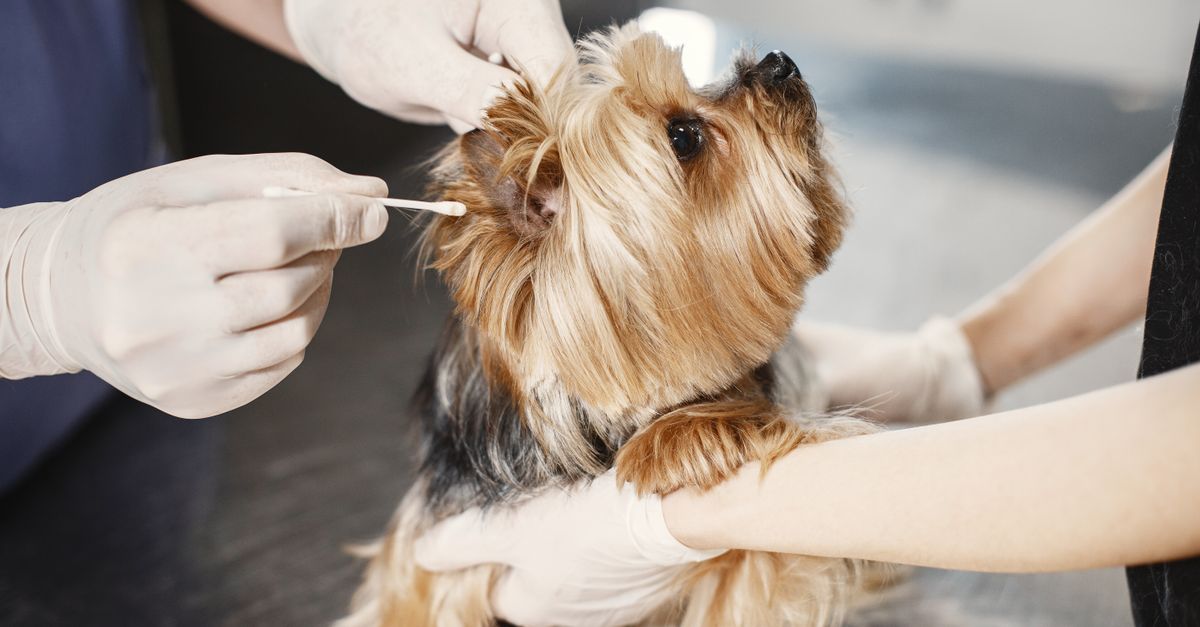
Ear infections can manifest differently in dogs, cats, and small pets. In dogs, common symptoms include excessive scratching, whining, and discharge from the ear. In cats, signs may be more subtle, such as mild scratching or redness around the ear.
Small pets, like rabbits and guinea pigs, may exhibit signs like tilting their head or avoiding certain sounds. Identifying ear mites, wax buildup, and other ear problems requires a thorough examination of your pet’s ears.
Look for signs like excessive scratching, redness, or discharge, and consult with a veterinarian if you’re unsure. Regular pet ear cleaning can help prevent these issues and detect potential problems early on.
Choosing the Right Ear Cleaner for Your Pet
The following table compares different types of ear cleaners, including natural and homemade options, to help you make an informed decision:
| Ear Cleaner Type | Ingredients | Suitable For |
|---|---|---|
| Commercial Ear Cleaner | Proprietary formula | Dogs, cats, and small pets |
| Natural Ear Cleaner | Tea tree oil, aloe vera | Pets with sensitive ears or allergies |
| Homemade Ear Cleaner | Apple cider vinegar, water | Pets with mild ear issues or as a preventative measure |
When selecting an ear cleaner, consider your pet’s specific needs, such as allergies or sensitivities. A veterinarian can recommend the most suitable ear cleaner based on your pet’s health status, age, and breed.
A Step-by-Step Guide to Pet Ear Cleaning
Preparing Your Pet for Ear Cleaning
To ensure a smooth and stress-free pet ear cleaning experience, prepare your pet in advance. Start by gradually introducing your pet to the ear cleaning process, allowing them to become familiar with the tools and sensations involved.
Reward your pet with treats and praise during and after the process to make it a positive experience. Choose the right ear cleaning tools and products for your pet’s specific needs.
A veterinarian can recommend the most suitable tools and products based on your pet’s health status, age, and breed. For more information on pet grooming and care, visit our article on Pet Grooming Tips: Easy At-Home Care.
Cleaning Your Pet’s Ears Safely and Effectively
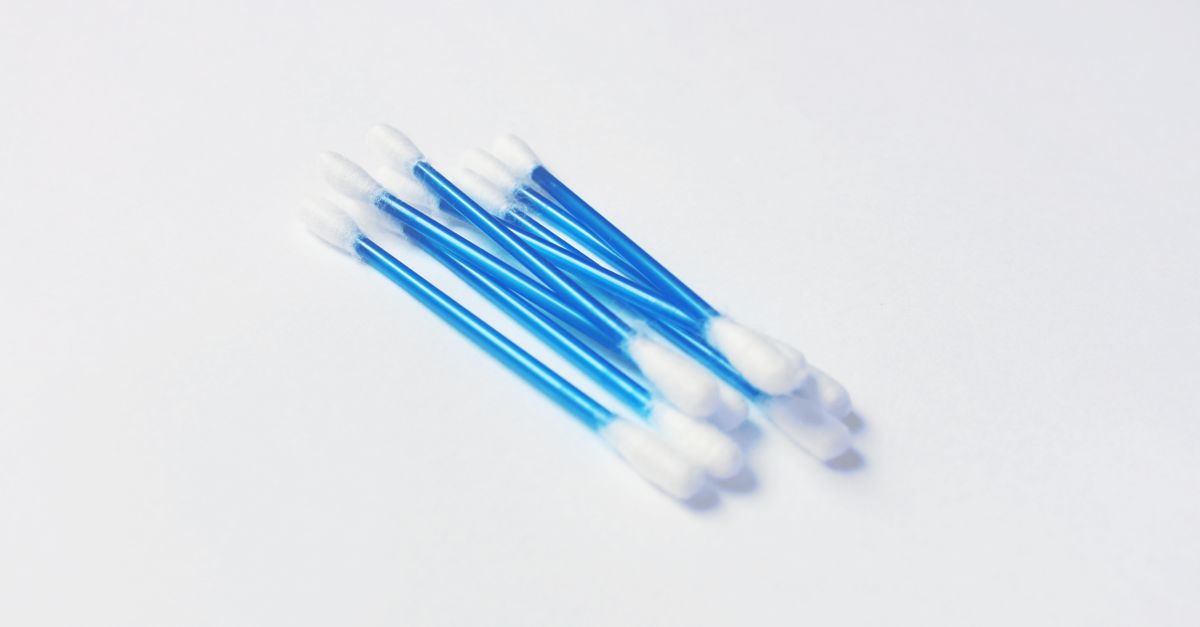
When cleaning your pet’s ears, avoid using cotton swabs (Q-tips), as they can push wax and debris further into the ear canal, potentially causing damage or infection. Instead, use a gentle ear cleaner and a soft, clean cloth to wipe away dirt and debris from the outer ear canal.
Follow these step-by-step instructions for cleaning your pet’s ears:
- Gently lift your pet’s ear flap and pour a small amount of ear cleaner into the ear canal.
- Massage the base of the ear for 5-10 seconds to help loosen wax and debris.
- Use a soft, clean cloth to wipe away dirt and debris from the outer ear canal.
For more information on pet care and health, visit our article on Pet Dental Care: Easy At-Home Routine.
Maintaining Your Pet’s Ear Health
Preventing Ear Infections and Other Ear Problems
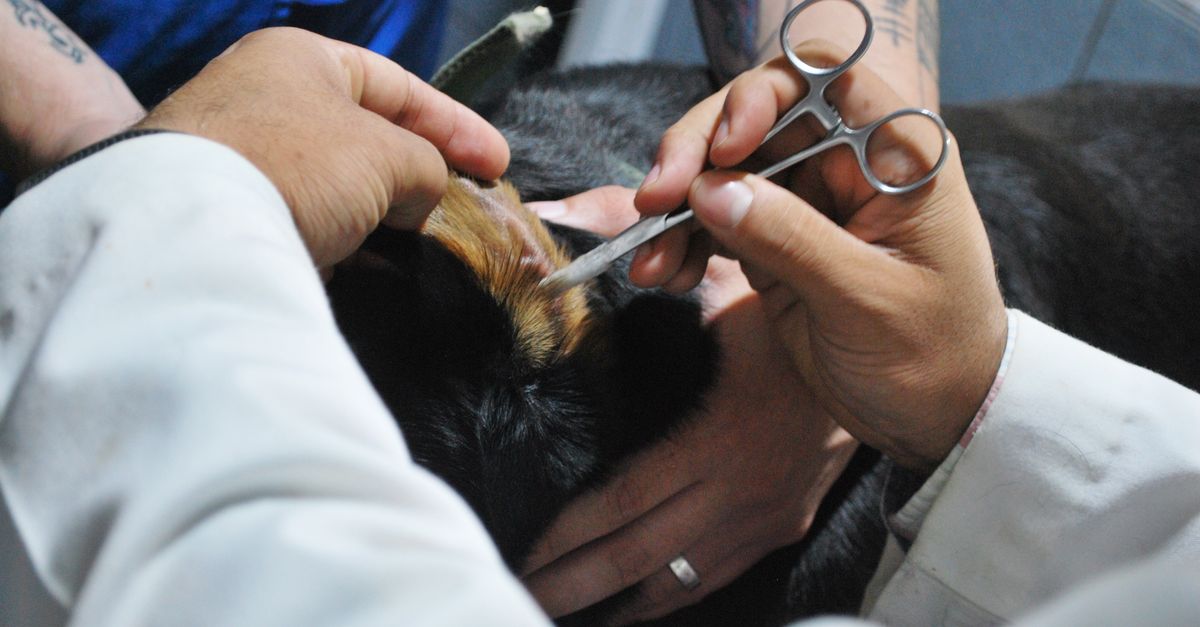
Regular pet ear cleaning is essential for preventing ear infections and other ear problems. Keeping your pet’s ears dry, especially after bathing or swimming, can help prevent moisture buildup and reduce the risk of infection.
Recognizing and addressing underlying health issues that may contribute to ear problems is crucial for maintaining your pet’s ear health. For example, allergies or skin conditions can increase the risk of ear infections.
Consult with a veterinarian to identify and manage any underlying health issues that may be contributing to ear problems. For more information on pet health and wellness, visit our article on How to Keep Pets Hydrated: Signs and Simple Fixes.
Scheduling Regular Ear Cleanings and Check-Ups
Regular ear cleanings and check-ups with a veterinarian are essential for maintaining your pet’s ear health. The frequency of ear cleanings depends on your pet’s individual needs, but as a general rule, dogs and cats should have their ears cleaned every 1-2 weeks.
Consult with a veterinarian to determine the best schedule for your pet’s ear cleanings and check-ups. They can also provide guidance on how to clean your pet’s ears safely and effectively, and recommend the most suitable ear cleaning tools and products for your pet’s specific needs.
Troubleshooting Common Ear Cleaning Challenges
Addressing Ear Cleaning Complications and Setbacks
Common complications and setbacks that may occur during ear cleaning include ear infections, wax buildup, and discomfort or pain. If you encounter any of these issues, consult with a veterinarian for guidance on how to address them and prevent future complications.
To minimize the risk of complications, follow these tips:
- Use a gentle ear cleaner and avoid using cotton swabs (Q-tips).
- Massage the base of the ear gently to help loosen wax and debris.
- Avoid cleaning your pet’s ears too frequently, as this can cause irritation and discomfort.
Seeking Veterinary Attention for Ear-Related Issues
If you suspect your pet has an ear infection or is experiencing discomfort or pain during ear cleaning, seek veterinary attention immediately. A veterinarian can provide a proper diagnosis and recommend the most effective treatment plan for your pet’s specific needs.
Pro tip: Always reward your pet with treats and praise during and after ear cleaning to make the experience positive and stress-free.
Frequently Asked Questions
The following FAQs provide answers to common questions about pet ear cleaning and ear health. If you have any further questions or concerns, consult with a veterinarian for personalized guidance.
What are the most common signs of ear infections in pets?
Common signs of ear infections in pets include excessive scratching, redness, and discharge from the ear. If you suspect your pet has an ear infection, consult with a veterinarian for proper diagnosis and treatment.
How often should I clean my pet’s ears, and what is the best ear cleaner to use?
The frequency of ear cleanings depends on your pet’s individual needs, but as a general rule, dogs and cats should have their ears cleaned every 1-2 weeks. Consult with a veterinarian to determine the best schedule for your pet’s ear cleanings and to recommend the most suitable ear cleaner for your pet’s specific needs.
What should I do if my pet is experiencing discomfort or pain during ear cleaning?
If your pet is experiencing discomfort or pain during ear cleaning, stop immediately and consult with a veterinarian for guidance on how to address the issue and prevent future complications.
Regular pet ear cleaning is necessary for maintaining your pet’s overall health and preventing infections. By following the tips and guidelines outlined in this article, you can help keep your pet’s ears clean and healthy. Always consult with a veterinarian if you have any questions or concerns about your pet’s ear health or any other aspect of their care.