

Mastering Pet Wound Care at Home
Approximately 25% of pets will experience a wound at some point in their lives, making pet wound care a key aspect of responsible pet ownership. As a pet owner, it’s necessary to know how to properly care for your pet’s wounds to prevent infection and promote healing. Proper pet wound care can make a significant difference in your pet’s recovery.
When it comes to pet wound care, it’s necessary to understand the different types of wounds your pet may experience. Cuts, lacerations, and puncture wounds are common types of wounds that require varying levels of care. For example, if your pet has a cut or laceration, you’ll need to clean and dress the wound to prevent infection.
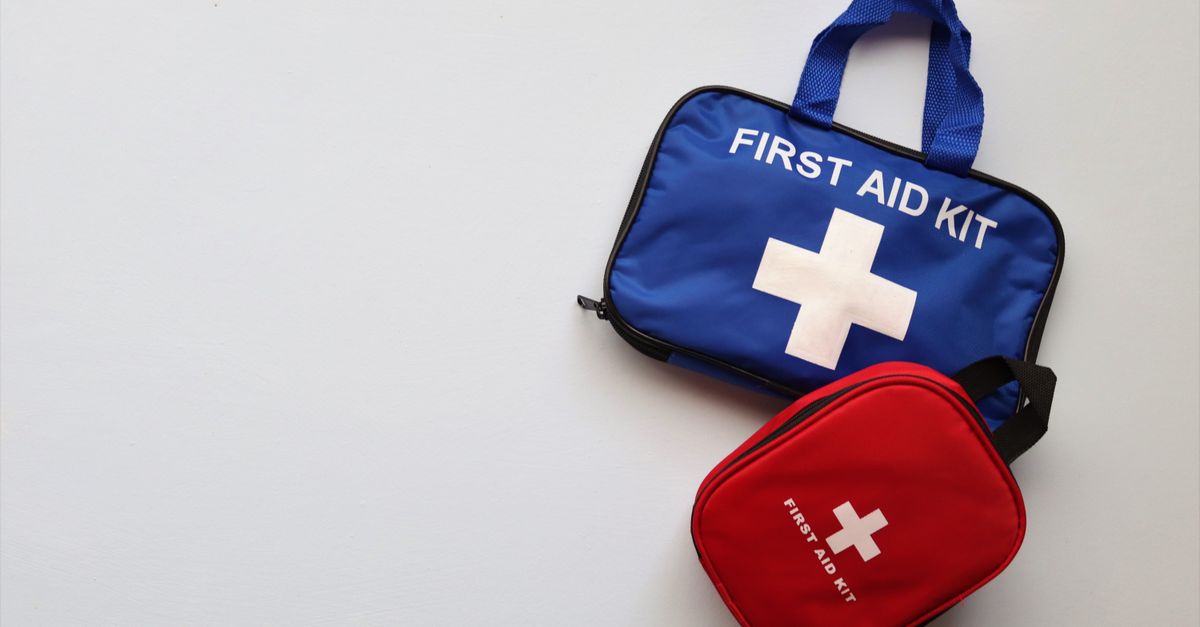
To ensure your pet receives the best possible care, it’s necessary to have a well-stocked pet first-aid kit on hand. This kit should include items such as gauze, antiseptic wipes, and tweezers. You can learn more about building a pet first-aid kit by visiting this resource.
Understanding Different Types of Pet Wounds
Cuts and Lacerations
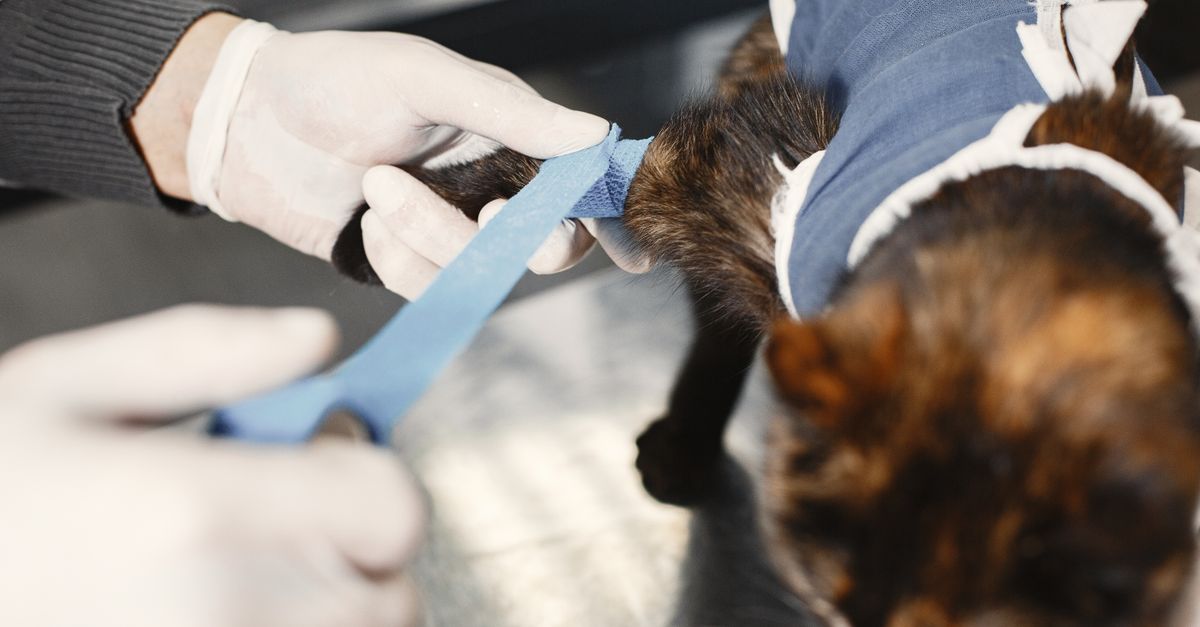
Cuts and lacerations are common types of wounds that can occur in pets. To clean and dress these wounds, you’ll need to gently rinse the area with warm water and apply an antiseptic ointment. It’s also necessary to cover the wound with a bandage or dressing to protect it from further irritation.
Common mistakes to avoid when caring for cuts and lacerations include using harsh soap or scrubbing the wound too vigorously. These actions can further irritate the wound and delay healing. Instead, focus on keeping the wound clean and dry to promote healing.
Puncture Wounds
Puncture wounds require more specialized care. These wounds can be deep and narrow, making them prone to infection. To clean and dress a puncture wound, you’ll need to flush the area with warm water and apply an antiseptic ointment.
Tips for preventing infection in puncture wounds include keeping the wound clean and dry, and applying a topical antibiotic ointment. You can also learn more about how to keep your pet hydrated by visiting this resource.
Cleaning and Dressing Pet Wounds

Supplies for Pet Wound Care
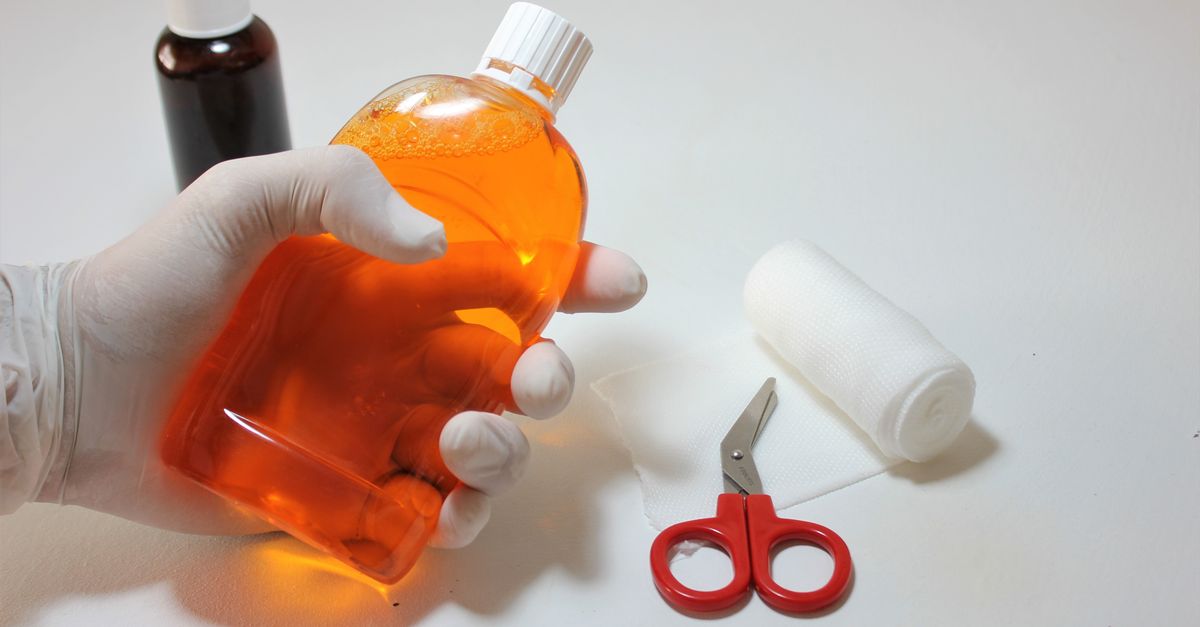
When it comes to cleaning and dressing pet wounds, it’s necessary to have the right supplies on hand. Some necessary supplies include gauze, antiseptic wipes, and tweezers. You can use these supplies to clean and dress the wound, and to remove any debris or dirt that may be present.
The following is a list of supplies for pet wound care:
- Gauze
- Antiseptic wipes
- Tweezers
- Antibiotic ointment
- Bandages or dressings

Preventing Wound Infections

Signs of Infection
Signs of infection in pet wounds can include redness, swelling, and discharge. If you notice any of these signs, it’s necessary to seek veterinary care as soon as possible. Your veterinarian can provide guidance on how to treat the infection and promote healing.
If you suspect your pet has a wound infection, it’s necessary to seek veterinary care immediately. Your veterinarian can provide a proper diagnosis and treatment plan to help your pet recover.
When to Seek Veterinary Care
Emergency Situations
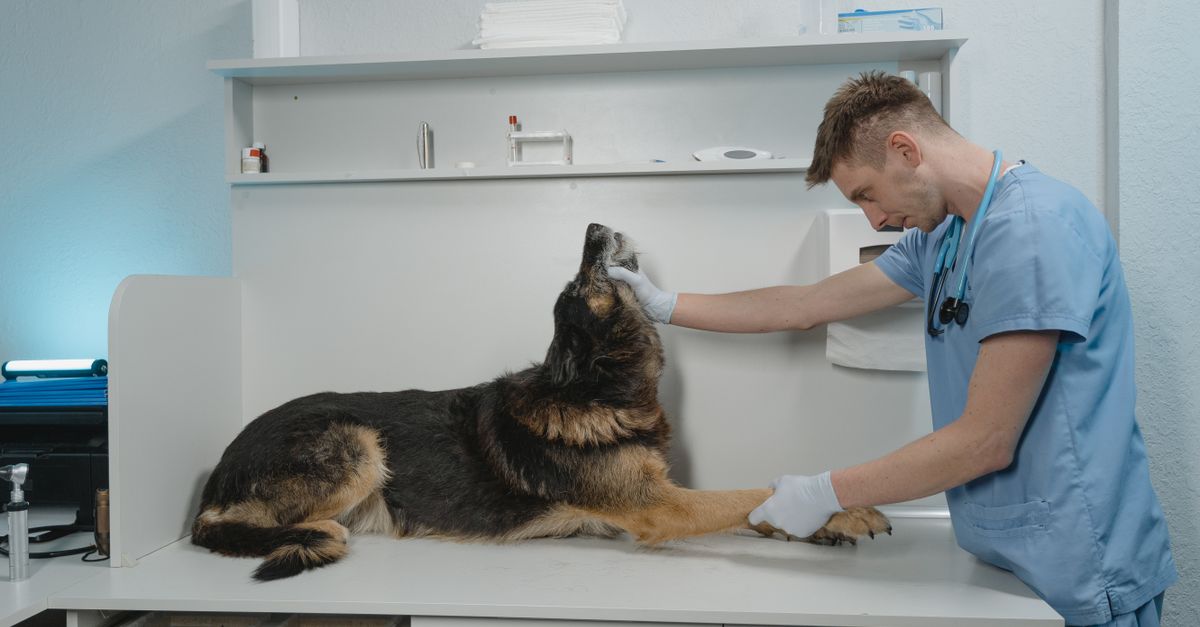
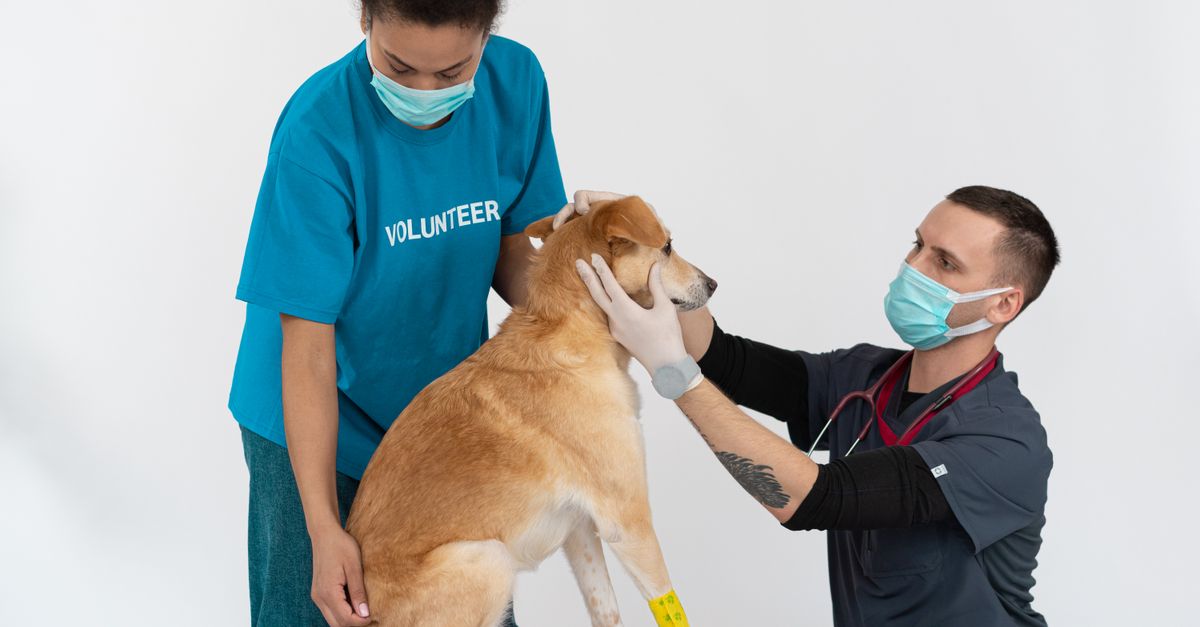
There are certain situations when you should seek immediate veterinary care for a pet wound. These situations can include deep or large wounds, wounds that won’t stop bleeding, and wounds that show signs of infection.
When transporting your pet to the vet in an emergency situation, it’s necessary to keep them calm and comfortable. You can do this by providing a quiet and stable environment, and by keeping your pet’s wound clean and covered.

Tips and Tricks for Pet Wound Care
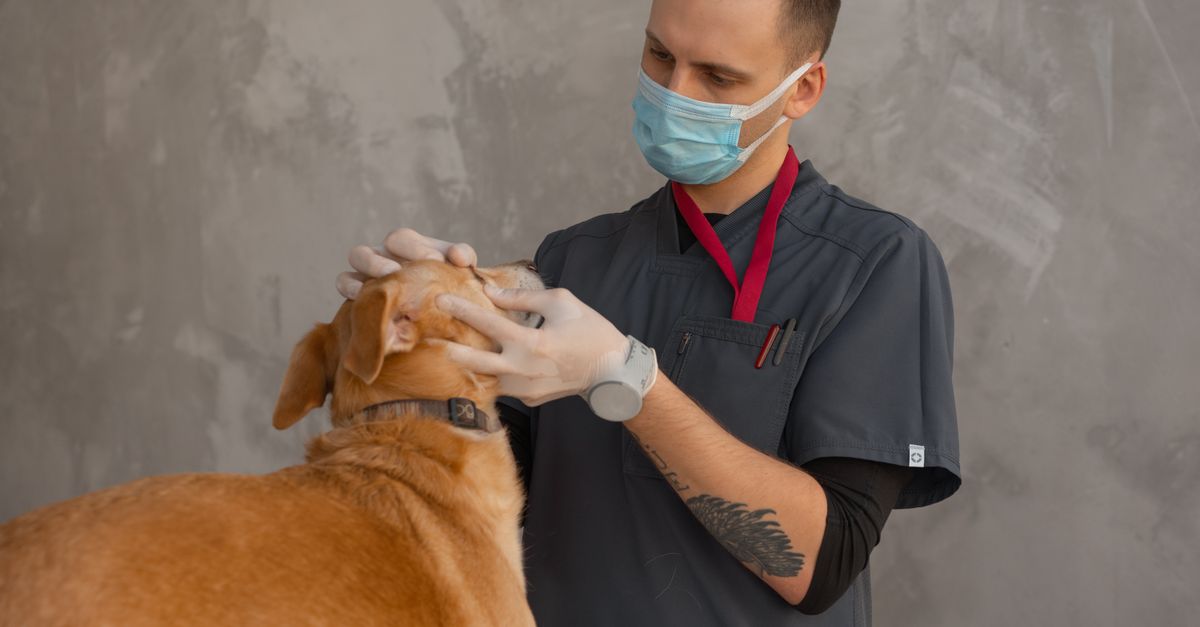
Pro tip: Always keep a pet first-aid kit on hand, including supplies such as gauze, antiseptic wipes, and tweezers. This will ensure you’re prepared to care for your pet’s wounds at a moment’s notice.
By following these tips and guidelines, you can help your pet recover from wounds and prevent infection. To always seek veterinary care if you’re unsure about the best course of treatment for your pet’s wound.

Frequently Asked Questions
Frequently asked questions about pet wound care can provide valuable insights and guidance for pet owners. The following are some common questions and answers about pet wound care.
What are the most common types of pet wounds?
The most common types of pet wounds include cuts, lacerations, and puncture wounds. These wounds can occur due to various reasons, such as accidents or injuries.
How can I prevent my pet from licking or biting their wound?
Preventing your pet from licking or biting their wound is crucial to promote healing and prevent infection. You can use an Elizabethan collar or a bitter-tasting spray to deter your pet from licking or biting their wound.
What are the signs of a wound infection in pets?
Signs of a wound infection in pets can include redness, swelling, and discharge. If you notice any of these signs, it’s necessary to seek veterinary care as soon as possible. Your veterinarian can provide guidance on how to treat the infection and promote healing.
By following proper pet wound care, you can help your pet recover from wounds and prevent infection. To always seek veterinary care if you’re unsure about the best course of treatment for your pet’s wound. With the right care and attention, your pet can heal quickly and fully.