
Mastering Pet Shedding Reduction
Excessive pet shedding affects over 70% of pet owners, with some breeds shedding more than others. Pet shedding reduction is a concern for many, as it not only affects the cleanliness of their homes but also their pets’ health. The amount of pet hair and dander in a home can be overwhelming, especially for those with allergies. Reducing pet shedding requires a combination of proper diet, regular grooming, and environmental changes.
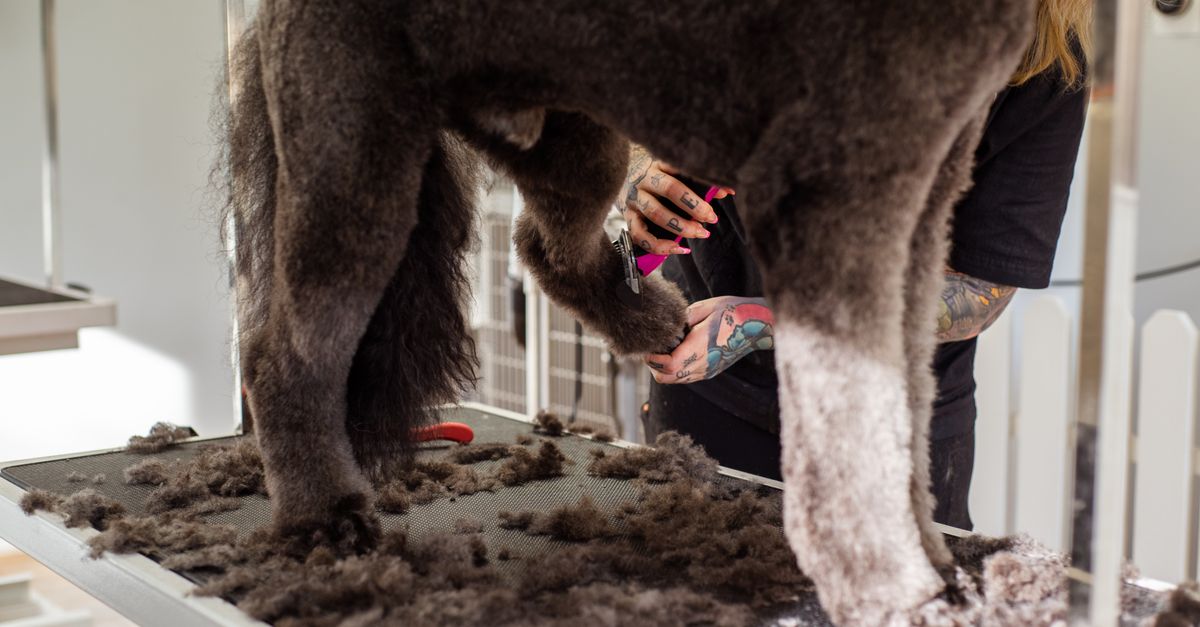
Average pet owners spend around 10 hours a week cleaning up after their pets, with a significant portion of that time dedicated to removing pet hair. By implementing a few simple changes to their pets’ diet and care routine, owners can reduce the amount of time spent on cleaning and minimize the negative effects of excessive shedding on their pets’ health. Regular grooming sessions can help reduce shedding by up to 90%, making it an important part of pet shedding reduction.
Genetics and breed play a significant role in determining the amount of shedding a pet will experience. Some breeds, such as Siberian Huskies and Poodles, are known to shed heavily, while others, like Bichon Frise and Shih Tzus, shed minimally. Understanding the factors that contribute to shedding is key in developing an effective pet shedding reduction plan.
Understanding Pet Shedding
Why Pets Shed
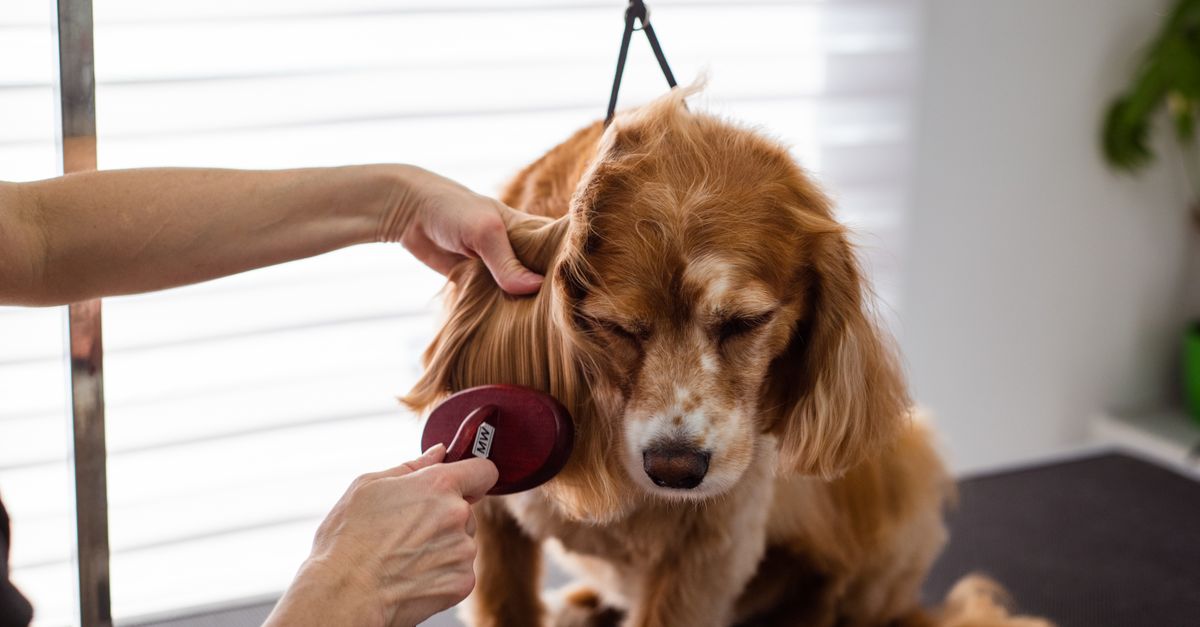
Pets shed due to a combination of genetic, environmental, and dietary factors. Genetics and breed determine the type and amount of coat a pet has, while environmental factors like temperature and humidity affect the shedding process. Diet also plays a role, as a lack of essential nutrients can lead to excessive shedding.
A diet rich in omega-3 fatty acids and other essential nutrients can help reduce shedding, while a diet lacking in these nutrients can exacerbate the problem. Pet owners can consult with their veterinarian to determine the best diet for their pet’s specific needs.
Environmental factors like temperature and humidity can also affect shedding. Pets that are exposed to extreme temperatures or humidity levels may shed more than those that are kept in a stable environment. Regular grooming and environmental changes can help minimize the effects of these factors on shedding.
Health Risks of Excessive Shedding
Excessive shedding can lead to a range of health problems, including hairballs and digestive blockages. When pets swallow their own hair, it can accumulate in the stomach and intestines, causing blockages and other digestive issues. Regular grooming can help reduce the amount of loose hair that pets ingest.
Excessive shedding can also lead to skin irritation and infection. When pets shed excessively, their skin can become dry and irritated, leading to infections and other skin problems. Regular grooming and skin care can help prevent these issues.
Excessive shedding can also impact pet mental health. Pets that are uncomfortable or in pain due to shedding may become anxious or stressed, leading to behavioral problems. Reducing shedding through proper care and diet can help minimize the negative effects on pet mental health.
Diet and Nutrition for Reduced Shedding
The Importance of Omega-3 Fatty Acids
Omega-3 fatty acids play a crucial role in reducing shedding. These essential nutrients help to keep the skin and coat healthy, reducing the amount of shedding that occurs. Pet owners can add omega-3 supplements to their pet’s diet or feed them foods rich in these nutrients.
The best food sources of omega-3 fatty acids for pets include fish, flaxseed, and chia seeds. Pet owners can also consider adding omega-3 supplements to their pet’s diet, but should consult with their veterinarian before doing so. For more information on pet nutrition planning, visit our article on Mastering Pet Nutrition Planning.
Supplementing with omega-3 fatty acids can have a range of benefits for pets, including reducing shedding and improving skin and coat health. However, pet owners should always consult with their veterinarian before adding any supplements to their pet’s diet.
The Impact of Food Allergies on Shedding
Food allergies can also contribute to excessive shedding. Common food allergens like beef, dairy, and soy can cause skin irritation and excessive shedding in some pets. Pet owners can consider switching to a novel protein source or limited ingredient diet to reduce the risk of food allergies.
Gradual food transitions are necessary when switching to a new diet. Pet owners should introduce new foods slowly to prevent digestive upset and allow their pet’s digestive system to adjust. For more information on switching pet food, visit our article on How to Switch Pet Food Without Stomach Upset.
Pet owners can also consider adding probiotics to their pet’s diet to support digestive health and reduce the risk of food allergies. Probiotics can help to maintain a healthy gut microbiome, reducing the risk of digestive issues and excessive shedding.
Grooming and Care for Reduced Shedding
Brushing and Combing Techniques
Regular brushing and combing are essential for reducing shedding. Pet owners should use the right tools for their pet’s coat type, such as a slicker brush for short-haired pets or a pin brush for long-haired pets. For more information on pet grooming, visit our article on Pet Grooming Tips: Easy At-Home Care.
Regular brushing and combing can help to reduce shedding by removing loose hair and distributing skin oils. Pet owners should brush their pets at least once a week, but daily brushing is recommended for pets that shed heavily.
Brushing and combing can also help to reduce stress and anxiety in pets. Many pets enjoy the sensation of being brushed and combed, and it can be a great way to bond with them. Pet owners can make brushing and combing a positive experience for their pets by using gentle, soothing strokes and rewarding them with treats.
Bathing and Shampooing for Reduced Shedding
Bathing and shampooing can also help to reduce shedding. Pet owners should use a gentle, pH-balanced shampoo that is suitable for their pet’s coat type. For more information on pet skin allergies, visit our article on Mastering Pet Skin Allergies Naturally.
Pet owners should avoid bathing their pets too frequently, as this can strip the coat of its natural oils and lead to excessive shedding. Instead, they should bathe their pets only when necessary, using a gentle shampoo and conditioner.
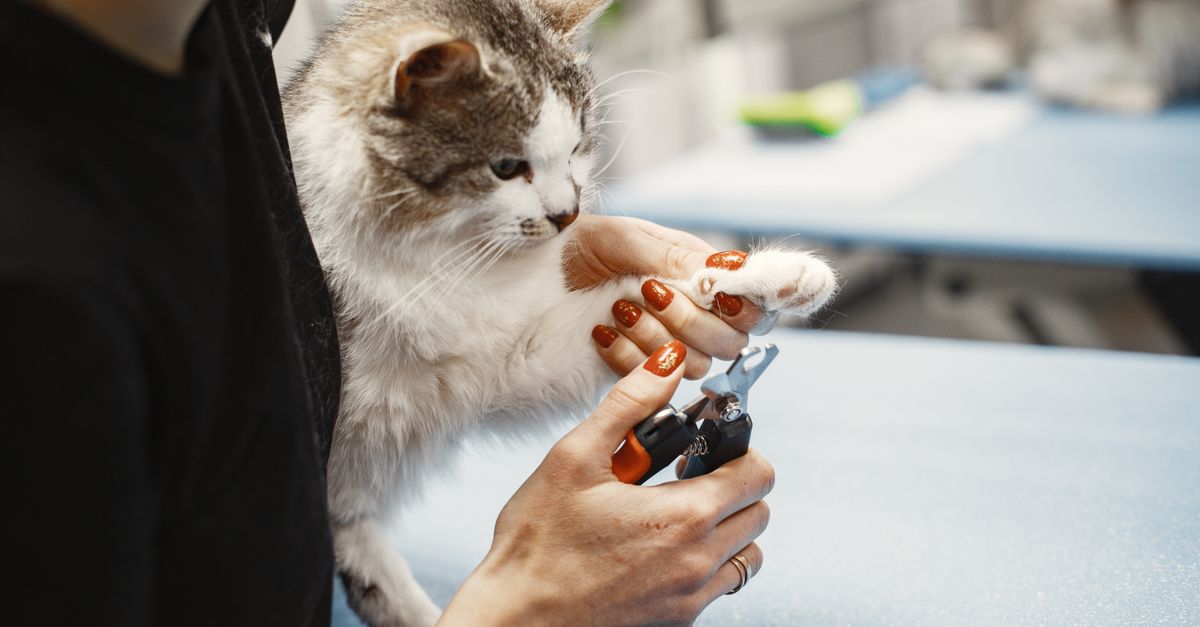
After bathing, pet owners should dry their pets thoroughly to prevent moisture from accumulating in the coat. This can help to reduce shedding and prevent skin irritation. For more information on pet nail trimming, visit our article on Pet Nail Trimming at Home: Stress-Free Tips That Work.
Environmental Changes for Reduced Shedding
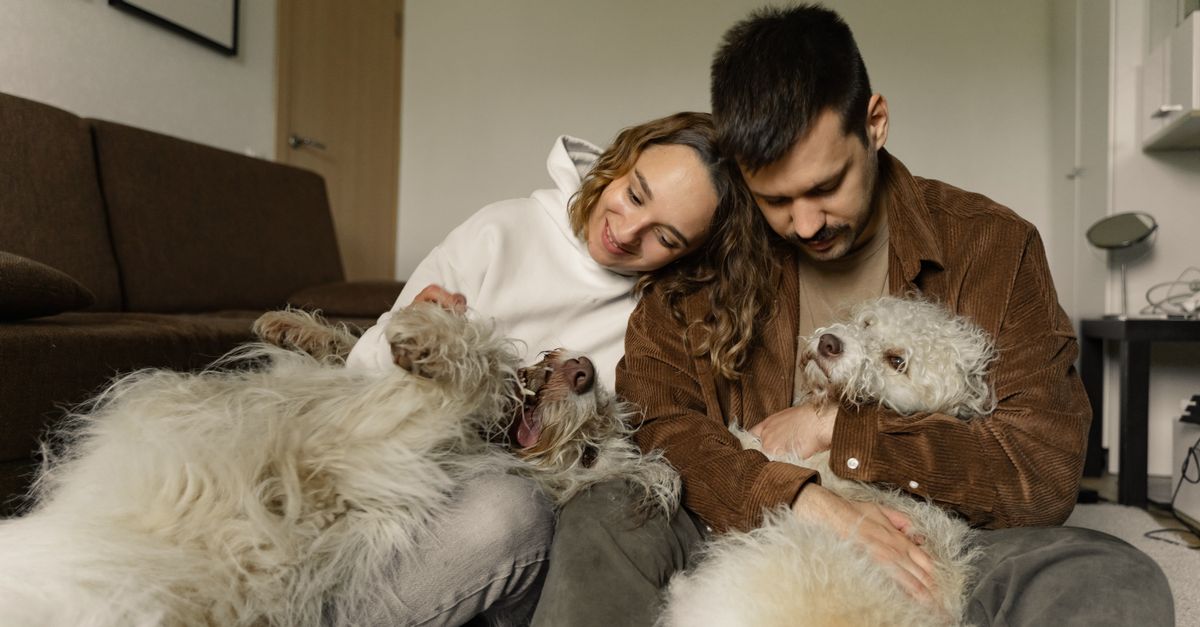
Reducing Shedding in the Home
Pet owners can make several environmental changes to reduce shedding in the home. Regular vacuuming and dusting can help to remove loose hair and dander, while HEPA air purifiers can help to remove allergens from the air. For more information on reducing pet dander allergy symptoms, visit our article on Reduce Pet Dander Allergy Symptoms.
Pet owners can also use pet hair-repelling fabrics and washable covers to reduce the amount of pet hair that accumulates on furniture and other surfaces. Regular washing of pet bedding and toys can also help to reduce shedding.
Creating a pet-friendly outdoor space can also help to reduce shedding. Pet owners can provide shade and shelter for their pets, as well as outdoor grooming stations to make grooming easier and more convenient. For more information on pet sun protection, visit our article on Pet Sun Protection: Safe Outdoor Fun.
Creating a Shedding-Friendly Outdoor Space
Pet owners can create a shedding-friendly outdoor space by providing shade and shelter for their pets. This can help to reduce the amount of shedding that occurs due to environmental factors like temperature and humidity.
Pet owners can also use outdoor grooming stations to make grooming easier and more convenient. These stations can provide a comfortable and convenient place for pets to be groomed, reducing the amount of loose hair that accumulates in the outdoor space.
Regular cleaning of the outdoor space can also help to reduce shedding. Pet owners should regularly vacuum and dust the outdoor space, and wash any pet bedding or toys that are used outside. For more information on pet flea control, visit our article on Pet Flea Control: Effective Methods.
Pro Tips for Reduced Shedding
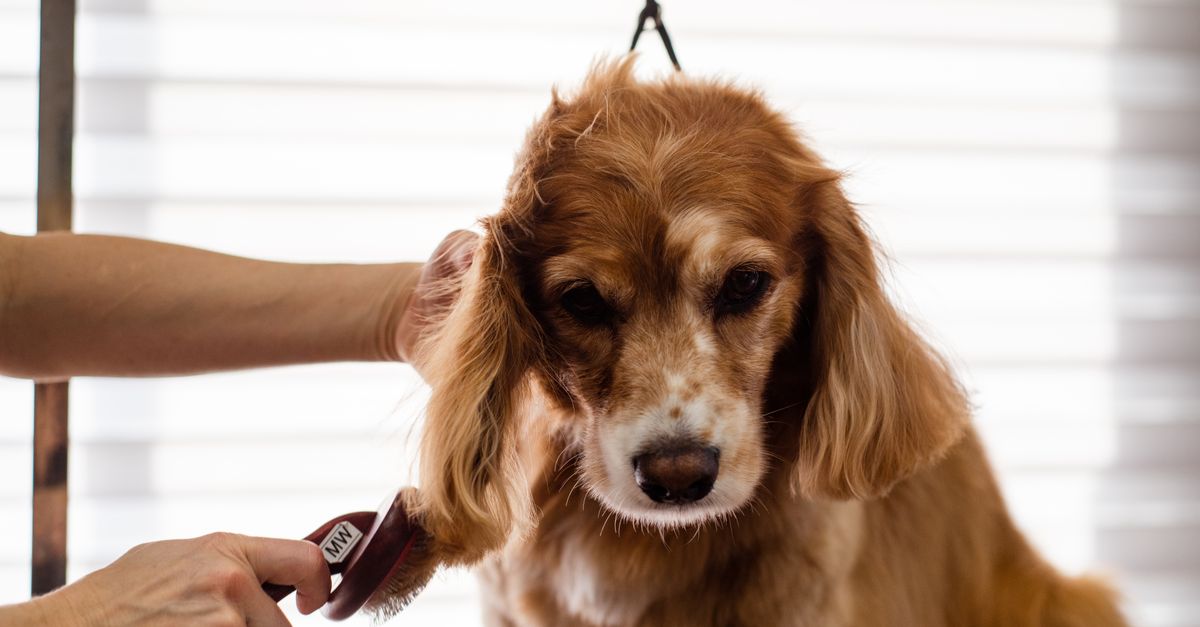
Regular grooming sessions can help reduce shedding by up to 90%.
Regular grooming sessions are essential for reducing shedding. Pet owners should brush their pets at least once a week, but daily brushing is recommended for pets that shed heavily. For more information on pet ear cleaning, visit our article on Mastering Pet Ear Cleaning for Healthy Ears.
Pet owners can also use desheadding tools to remove loose hair and reduce shedding. These tools can be used in conjunction with regular brushing and combing to provide an extra layer of shedding reduction.
Creating a pet grooming routine can also help to reduce shedding. Pet owners can establish a regular grooming schedule, including brushing, combing, and bathing, to help reduce shedding and keep their pets’ coats healthy. For more information on pet wound care, visit our article on Mastering Pet Wound Care at Home.
Frequently Asked Questions
Pet owners often have questions about reducing shedding in their pets. Here are some answers to common questions about pet shedding reduction.
How often should I brush my pet to reduce shedding?
Pet owners should brush their pets at least once a week, but daily brushing is recommended for pets that shed heavily. Regular brushing can help to reduce shedding by removing loose hair and distributing skin oils.
What are the best foods for reducing shedding in pets?
The best foods for reducing shedding in pets are those that are rich in omega-3 fatty acids and other essential nutrients. Pet owners can also consider adding probiotics to their pet’s diet to support digestive health and reduce the risk of food allergies.
Can I use human shampoo on my pet to reduce shedding?
No, pet owners should not use human shampoo on their pets. Human shampoo can be too harsh for pets’ skin and coats, leading to dryness, irritation, and excessive shedding. Instead, pet owners should use a gentle, pH-balanced shampoo that is suitable for their pet’s coat type.
By following these tips and implementing a few simple changes to their pets’ diet and care routine, pet owners can reduce the amount of shedding that occurs and keep their homes clean and hair-free. To always consult with a veterinarian before making any changes to your pet’s diet or care routine. With the right approach, pet owners can help reduce shedding and improve their pets’ overall health.