

Pet Flea Control: Effective Methods
According to the American Pet Products Association, approximately 60% of dog owners and 50% of cat owners experience flea infestations on their pets. Effective pet flea control is necessary to prevent the spread of flea-borne diseases, such as typhus and tapeworms. As a pet owner, it is important to understand the different methods of flea control, including natural remedies, preventative measures, and chemical treatments.
Flea infestations can be challenging to control, especially if not addressed promptly. The key to successful flea control is to understand the flea’s life cycle and behavior. Fleas have four life stages: egg, larva, pupa, and adult.
Adult fleas lay eggs on their host, which hatch into larvae after 2-3 weeks. The larvae then spin a cocoon and enter the pupal stage, emerging as adult fleas after 1-2 weeks.
Understanding Flea Infestations
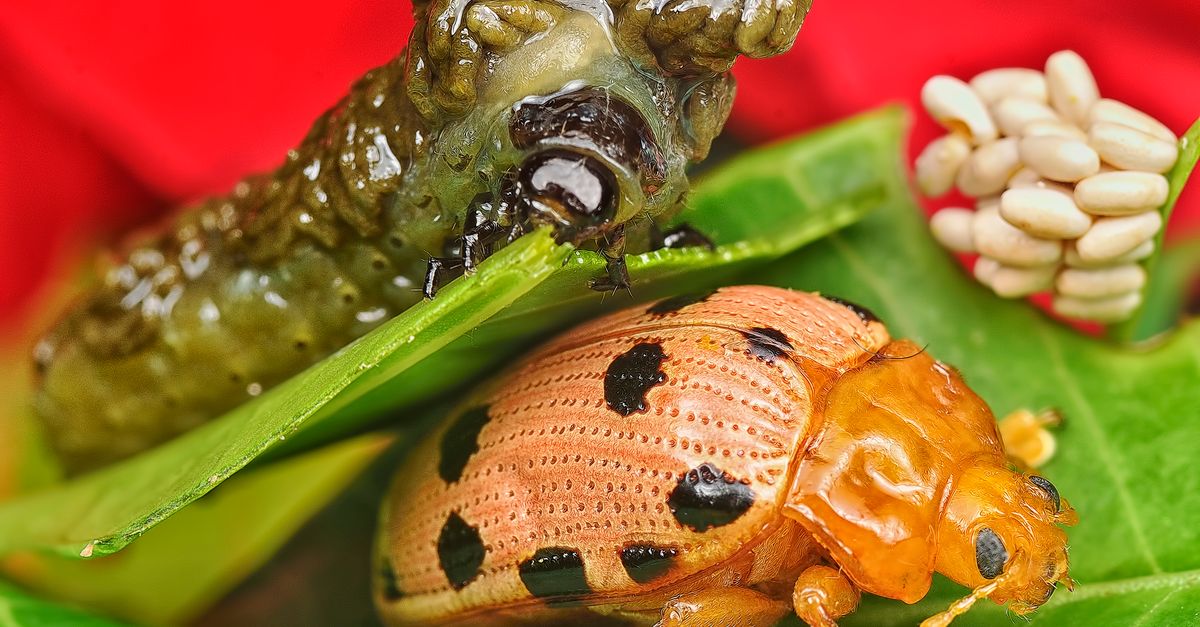
Flea Life Cycle and Behavior
The flea life cycle consists of four stages: egg, larva, pupa, and adult. Adult fleas lay eggs on their host, which hatch into larvae after 2-3 weeks. The larvae then spin a cocoon and enter the pupal stage, emerging as adult fleas after 1-2 weeks.
Risks of Flea-Borne Diseases
Flea-borne diseases, such as typhus and tapeworms, can have severe consequences for your pet’s health. Typhus, for example, can cause fever, vomiting, and diarrhea in dogs and cats. Tapeworms can lead to weight loss, digestive problems, and even anemia.
Natural Remedies for Flea Control

Essential Oils and Herbs
Certain essential oils, such as lavender and tea tree oil, have natural flea-repelling properties. These oils can be added to your pet’s shampoo or applied directly to their coat. Herbs like chamomile and calendula can help soothe skin irritations caused by flea bites.
Dietary Changes
Dietary changes, such as adding omega-3 fatty acids to your pet’s diet, can help improve their skin health and reduce the risk of flea infestations. A balanced diet rich in nutrients can also help boost your pet’s immune system, making them less susceptible to flea-borne diseases. Learn more about How to Switch Pet Food Without Stomach Upset and ensure a smooth transition to a new diet.
Chemical Flea Control Methods
Topical Treatments
Topical treatments, such as spot-on medications and sprays, can be effective in killing adult fleas and preventing flea infestations. These treatments usually contain ingredients like fipronil or imidacloprid, which can be toxic to fleas.
Oral Medications
Oral medications, such as tablets and chewables, can also be used to control flea infestations. These medications usually contain ingredients like lufenuron or nitenpyram, which can help kill adult fleas and prevent flea eggs from hatching. For more information on Mastering Pet Medication Management, visit our article and learn how to administer medications safely and effectively.
| Flea Control Method | Effectiveness | Risks |
|---|---|---|
| Natural Remedies | Moderate | Low |
| Chemical Treatments | High | High |
| Preventative Measures | High | Low |
Preventative Measures
Regular Grooming
Regular grooming, including flea combing and bathing, can help detect and remove fleas from your pet’s coat. This can also help reduce the risk of flea-borne diseases. For more information on Mastering Pet Ear Cleaning for Healthy Ears, visit our article and learn how to keep your pet’s ears clean and healthy.
Environmental Changes
Environmental changes, such as washing pet bedding and vacuuming, can help prevent flea infestations. Regularly washing your pet’s bedding and toys can help kill flea eggs and larvae, reducing the risk of infestation. Wash your pet’s bedding in hot water to kill flea eggs and larvae.
Frequently Asked Questions
Flea control can be a complex process, and pet owners often have questions about the best methods and strategies. Here are some answers to common questions about flea control.
What are the most effective flea control methods for dogs?
The most effective flea control methods for dogs include a combination of preventative measures, such as regular grooming and environmental changes, and chemical treatments, such as topical medications and oral medications. For more information on Dog Separation Anxiety: Calm Your Pet Before You Leave, visit our article and learn how to reduce your dog’s stress and anxiety.
How can I prevent fleas from infesting my cat?
Preventing fleas from infesting your cat requires a combination of regular grooming, environmental changes, and chemical treatments. Regular flea combing and bathing can help detect and remove fleas from your cat’s coat, while washing pet bedding and vacuuming can help prevent flea infestations. Learn more about Fix Cat Litter Box Problems: Practical Solutions for Owners and keep your cat’s litter box clean and hygienic.
What are the risks of using chemical flea control methods on small pets?
Chemical flea control methods can be toxic to small pets, especially if not used according to the manufacturer’s instructions. It’s essential to consult with a veterinarian before using any chemical flea control methods on small pets, and to follow the recommended dosage and application instructions carefully. For more information on How to Build a Pet First Aid Kit That Actually Works, visit our article and learn how to create a first aid kit for your pet.
Effective pet flea control requires a combination of preventative measures, natural remedies, and chemical treatments. By understanding the flea life cycle and behavior, and taking regular preventative measures, pet owners can reduce the risk of flea infestations and prevent the spread of flea-borne diseases. To always consult with a veterinarian before using any chemical flea control methods, and to follow the recommended dosage and application instructions carefully.