
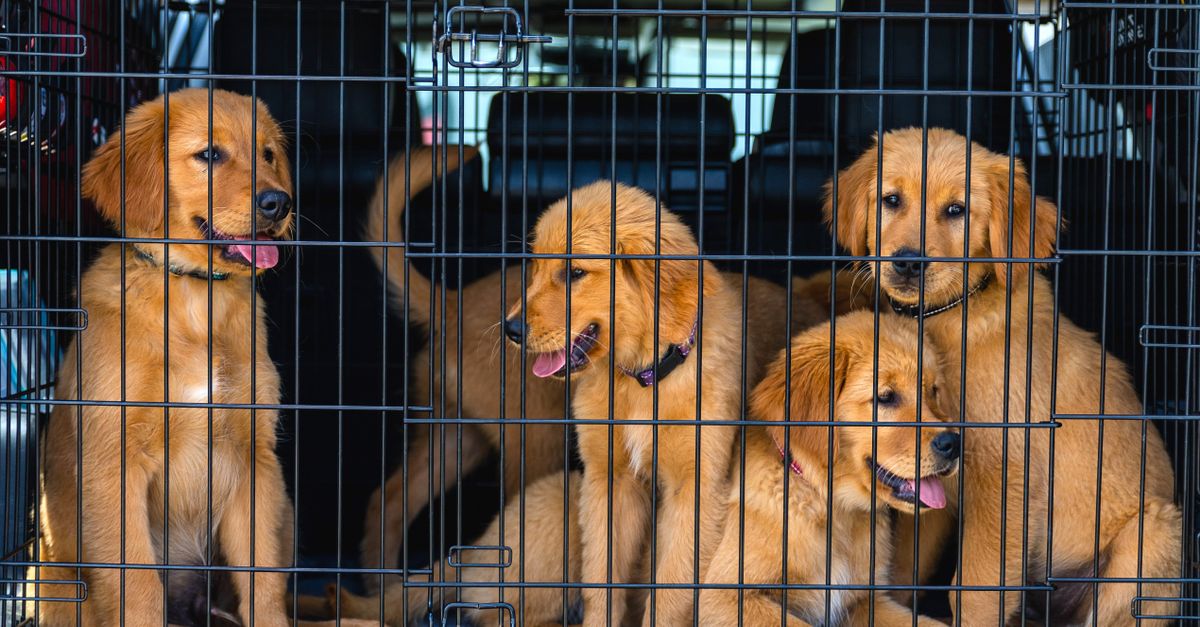
Mastering Pet Travel Crates for Safe Journeys
When traveling with your pet, using a pet travel crate is necessary for their safety and comfort. According to the American Automobile Association, over 80 million households in the United States own a pet, and many of these pets will accompany their owners on trips. Without a pet travel crate, your pet is at risk of injury or escape during travel. We will explore the importance of pet travel crates and provide guidance on how to choose the right one for your pet.
Pet travel crates can be used in cars, airplanes, trains, and other modes of transportation. They come in different types, including soft-sided, hard-sided, and collapsible. Each type has its own advantages and disadvantages, which will be discussed later in this article. A good-quality pet travel crate can make a significant difference in your pet’s travel experience.
Before choosing a pet travel crate, consider the size and type of your pet. If you’re new to pet travel, you may want to start by reading our article on Mastering Pet Home Preparedness to ensure you’re well-prepared for any situation that may arise during your trip.
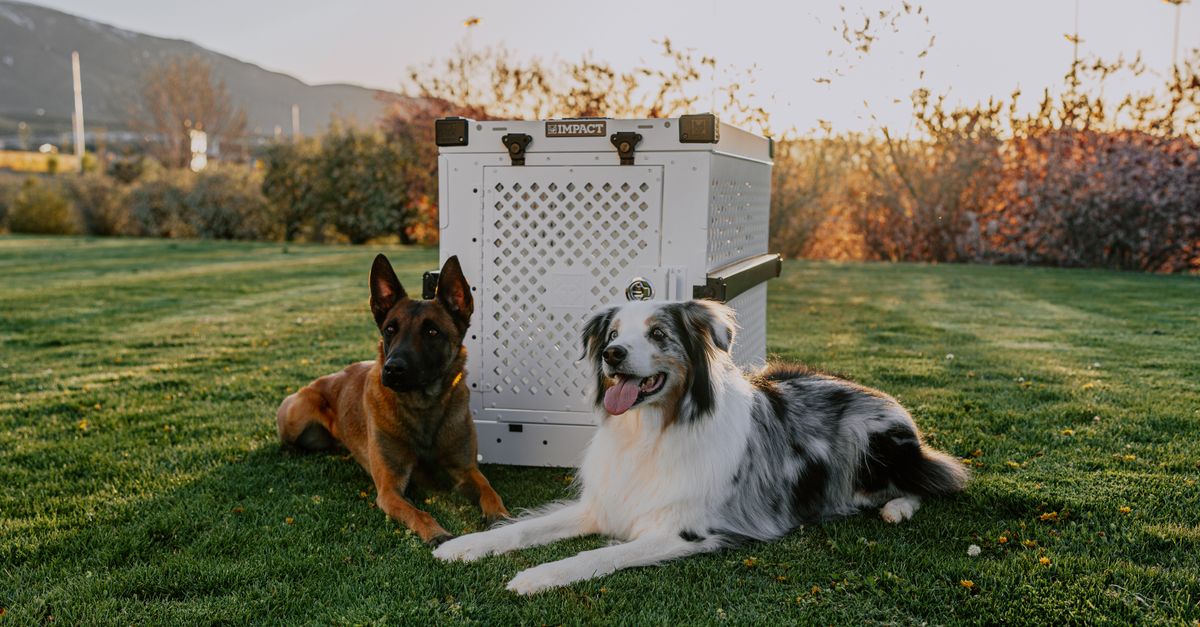
Choosing the Right Pet Travel Crate

Considerations for Different Types of Pets
When choosing a pet travel crate, consider the size and type of your pet. Dogs, cats, and small pets like rabbits and guinea pigs have different needs and requirements. For example, dogs may require more space and ventilation, while cats may prefer a more enclosed and cozy environment.
Small pets, like rabbits and guinea pigs, may need a crate with a solid bottom to prevent them from slipping through the bars. You can find more information on caring for small pets in our article on Mastering Pet Skin Allergies Naturally.
Crate Materials and Durability
Pet travel crates are made from various materials, including plastic, metal, and fabric. Each material has its pros and cons, and the choice ultimately depends on your pet’s needs and your personal preferences. Plastic crates are lightweight and easy to clean, but may not be as durable as metal crates.
Metal crates are more sturdy and secure, but may be heavier and more expensive. Fabric crates are a good option for pets that prefer a more comfortable and cozy environment. When choosing a pet travel crate, consider the durability and quality of the materials used.

The following table compares the different types of pet travel crates:
| Type of Crate | Advantages | Disadvantages |
|---|---|---|
| Soft-sided | Lightweight, easy to carry, comfortable | Less durable, less secure |
| Hard-sided | Durable, secure, provides maximum protection | Heavier, more expensive |
| Collapsible | Easy to store, lightweight, convenient | Less sturdy, less secure |
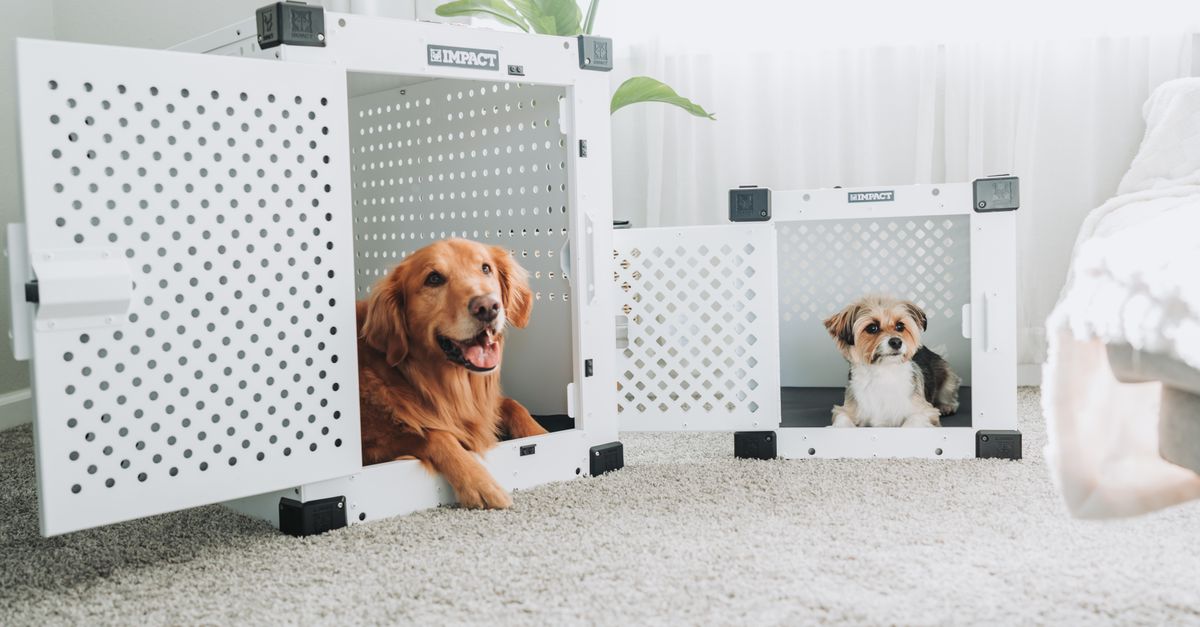
Training Your Pet to Use the Travel Crate
Introduction to the Crate
Introduce your pet to the travel crate gradually and with positive reinforcement. Start by placing the crate in a room where your pet spends most of their time, with the door open and some treats or toys inside. Encourage your pet to enter the crate by calling them and offering rewards.
Make the crate a positive and comfortable space for your pet. You can do this by adding a familiar blanket or toy, and by providing treats and praise when your pet enters the crate. For more information on dog training, you can visit our article on Pet Anxiety Solutions: Calming Your Dog.
Crate Training Tips
Crate training requires patience, consistency, and positive reinforcement. Here are some tips to help you train your pet to use the travel crate:
- Start with short sessions and gradually increase the duration
- Use positive reinforcement, such as treats and praise
- Make the crate a comfortable and familiar space
- Avoid using the crate as a form of punishment
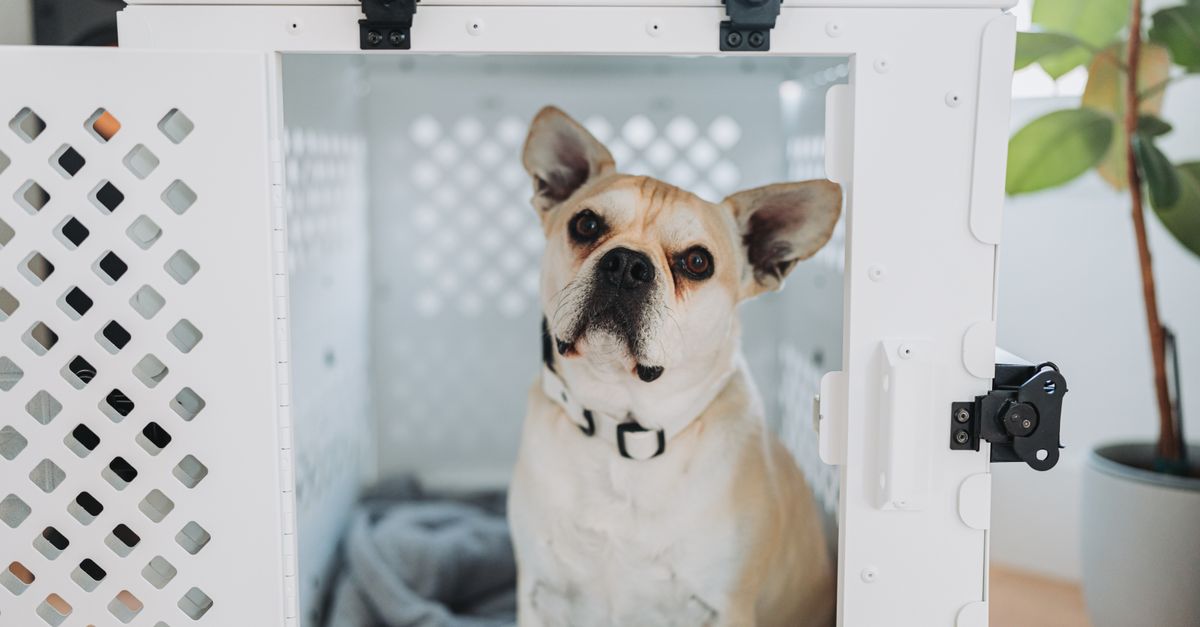
Pro tip: When traveling with your pet, it’s essential to acclimate them to the travel crate before the trip to reduce stress and anxiety.
Pet Travel Crate Safety Features
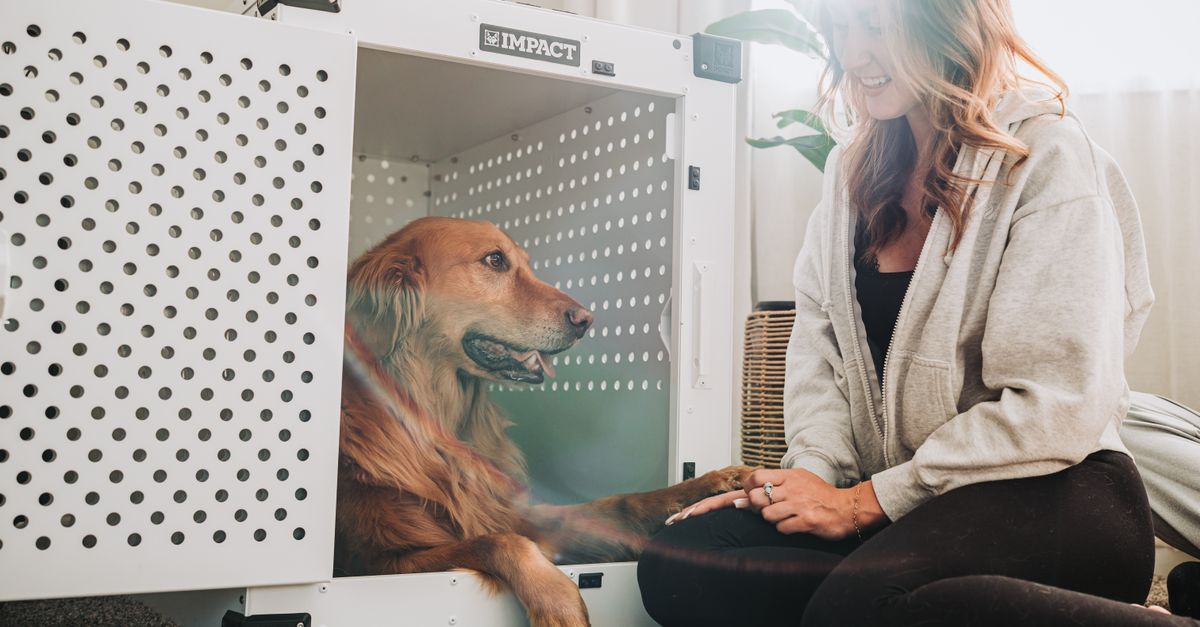
Ventilation and Visibility
Adequate ventilation and visibility are essential safety features to consider when choosing a pet travel crate. Your pet should have enough airflow to breathe comfortably, and you should be able to see them clearly to monitor their behavior and well-being.
Look for crates with ventilation holes or windows, and consider adding a fan or air conditioner to keep your pet cool during travel. For more information on pet safety, you can visit our article on Pet Fire Safety: Protecting Your Home and Pets.
Escape-Proofing and Security
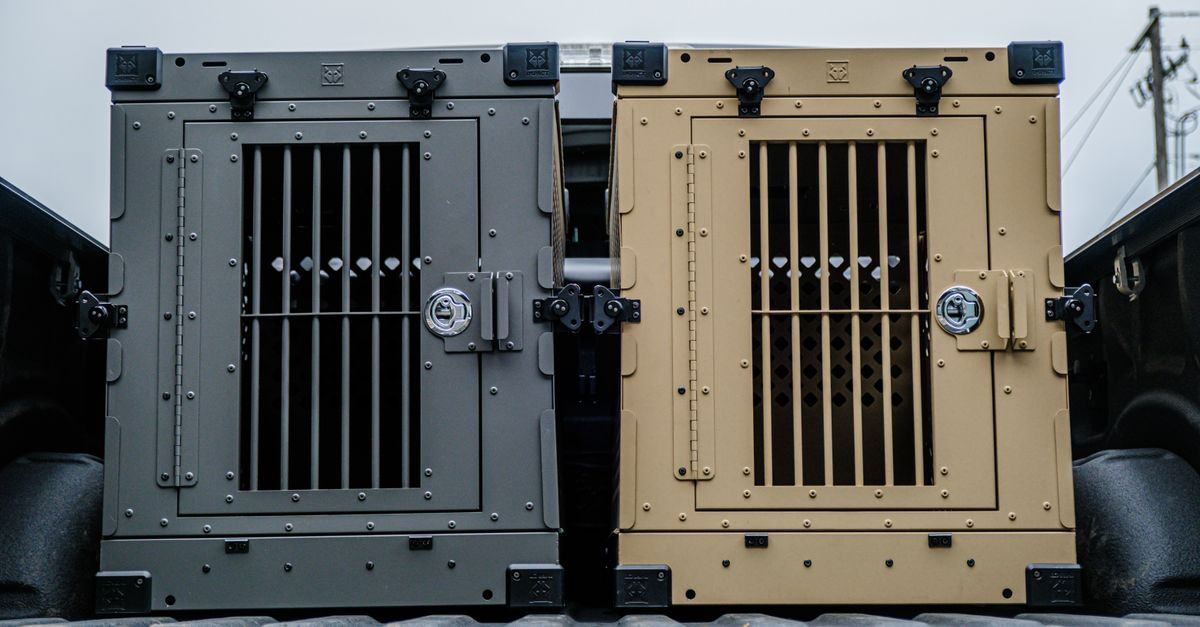
Escape-proofing and security are critical safety features to consider when choosing a pet travel crate. Look for crates with secure latches and sturdy construction, and consider adding additional security measures, such as a lock or tie-down system.
Consider the size and strength of your pet when choosing a crate. A larger or stronger pet may require a more secure crate, while a smaller or weaker pet may need a more comfortable and accessible crate. For more information on pet care, you can visit our article on Mastering Pet Paw Care: Healthy Paws for Happy Pets.
Preparing for Travel with Your Pet
Pre-Travel Checklist
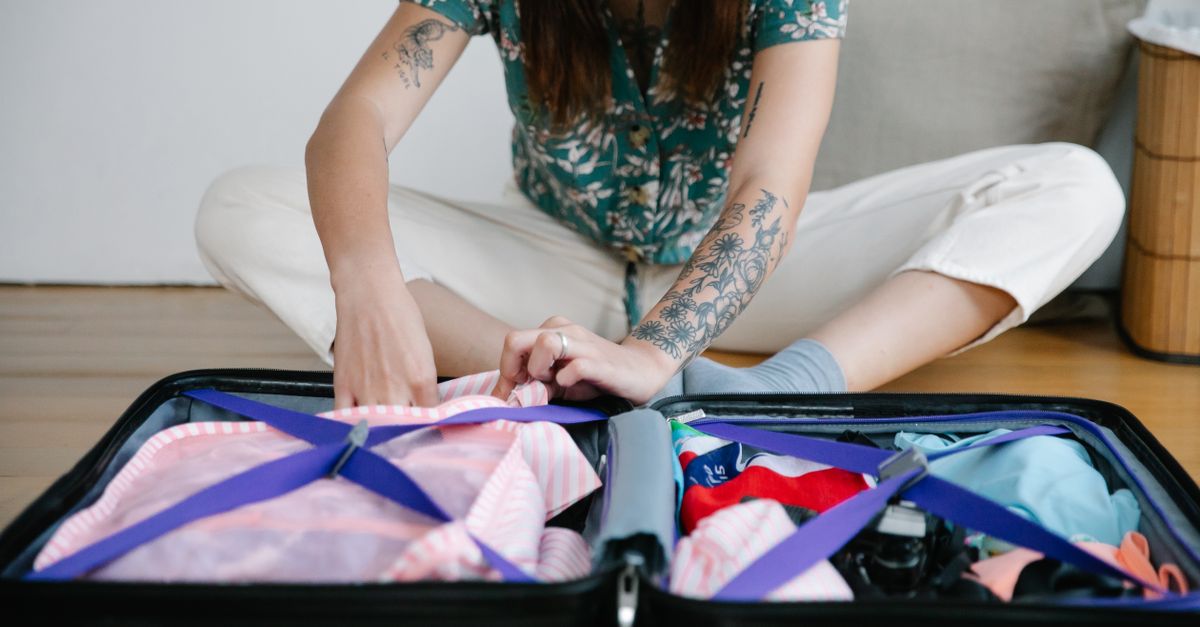
Before traveling with your pet, prepare a pre-travel checklist to ensure you have everything you need. This should include food and water, medication and supplements, a first-aid kit, a comfortable and familiar blanket or toy, and a crate or carrier.
Consider the specific needs of your pet, such as any medical conditions or allergies. For more information on pet health, you can visit our article on Mastering Pet Diabetes Care at Home.
Travel Tips and Reminders
When traveling with your pet, take regular breaks and monitor their comfort and safety. Consider the weather and road conditions, and plan your route accordingly. For more information on pet travel, you can visit our article on Pet Sun Protection: Safe Outdoor Fun.

Frequently Asked Questions
Frequently asked questions about pet travel crates and travel with pets are answered below. If you have any further questions or concerns, please don’t hesitate to reach out to a professional pet care specialist.
What are the most common mistakes pet owners make when traveling with their pets?
The most common mistakes pet owners make when traveling with their pets include failing to acclimate their pet to the travel crate, not providing enough food and water, and not taking regular breaks. These mistakes can lead to stress, discomfort, and even health problems for your pet.
How can I ensure my pet’s travel crate is well-ventilated and comfortable?
To ensure your pet’s travel crate is well-ventilated and comfortable, look for crates with ventilation holes or windows, and consider adding a fan or air conditioner to keep your pet cool during travel. Provide a comfortable and familiar blanket or toy, and consider adding a pheromone spray or calming aid to reduce stress and anxiety.
What are some essential items to pack for my pet’s travel?
Essential items to pack for your pet’s travel include food and water, medication and supplements, a first-aid kit, a comfortable and familiar blanket or toy, and a crate or carrier. Consider the specific needs of your pet, such as any medical conditions or allergies, and pack accordingly.
Traveling with your pet requires careful planning and preparation, but with the right pet travel crate and a little practice, you and your pet can enjoy a safe and comfortable journey together. To always prioritize your pet’s safety and well-being, and don’t hesitate to reach out to a professional pet care specialist if you have any questions or concerns. Happy traveling with your pet!