
Mastering Pet Paw Care: Healthy Paws for Happy Pets
Regular pet paw care is necessary for your pet’s overall health. Neglecting your pet’s paws can lead to pain, infection, and lameness. According to the American Animal Hospital Association, approximately 25% of pets experience paw problems, making it necessary to prioritize pet paw care.
Proper pet paw care involves regular grooming, cleaning, and inspection of your pet’s paws. This helps to prevent the buildup of dirt, debris, and bacteria, which can cause infections and other problems. Regular pet paw care can help to identify potential issues early on, allowing for prompt treatment and prevention of more severe problems.
For more information on creating a safe and healthy environment for your pet, check out our article on Create a Pet-Friendly Yard with DIY Landscaping Ideas, which provides tips and advice on how to create a pet-friendly yard that promotes pet paw care and overall pet health.
Introduction to Pet Paw Care
Why Pet Paw Care is Important
Regular pet paw care is necessary for preventing common paw problems, such as cracked pads, fungal infections, and parasites. Neglecting your pet’s paws can lead to serious health issues, including pain, infection, and lameness. By prioritizing pet paw care, you can help keep your pet’s paws healthy and prevent more severe problems from developing.
Common Paw Problems
Common paw problems include cracked pads, which can be caused by dryness, irritation, or injury. Fungal infections can also occur, often as a result of poor hygiene or exposure to contaminated environments. Parasites such as fleas, ticks, and mites can infest your pet’s paws, causing discomfort and potentially leading to more serious health issues.
For more information on how to manage parasites, check out our article on Mastering Pet Parasite Control Naturally.
Trimming Your Pet’s Nails at Home
Step-by-Step Guide to Trimming Your Pet’s Nails
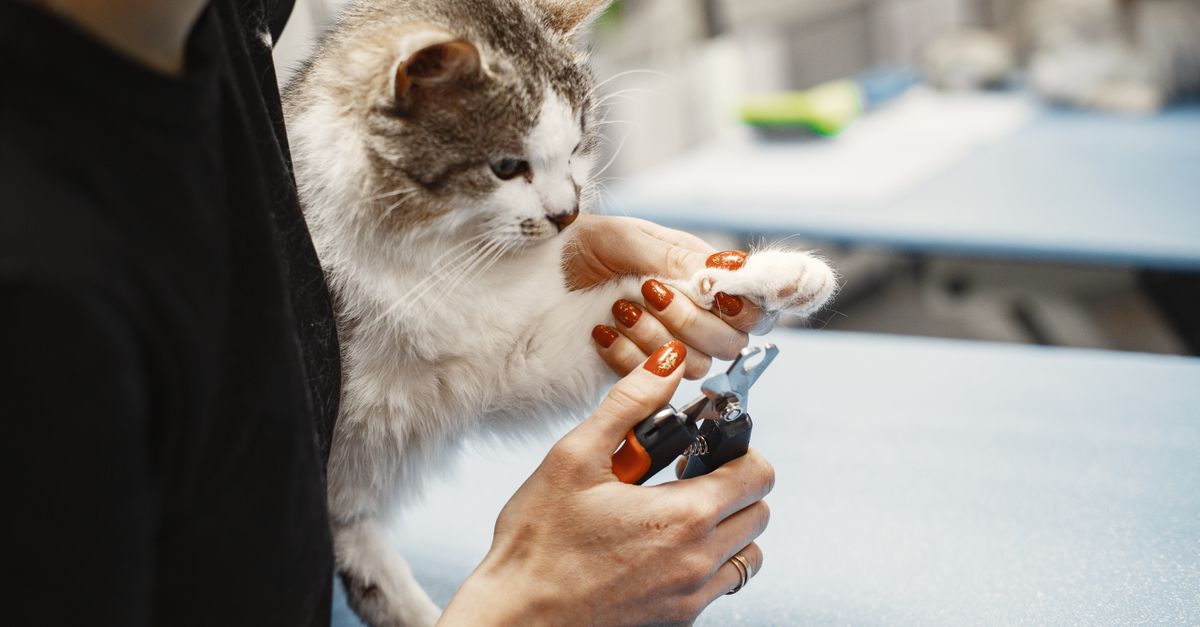
To trim your pet’s nails at home, you’ll need to prepare your pet by getting them accustomed to having their paws handled. Choose the right nail clippers for your pet’s nail type and size, and trim your pet’s nails safely and effectively, taking care not to cut the quick.
For more information on pet nail trimming, check out our article on Pet Nail Trimming at Home: Stress-Free Tips That Work.
Tips for Trimming Your Pet’s Nails
When trimming your pet’s nails, it’s essential to handle nervous or aggressive pets with care and patience. You can also use positive reinforcement techniques to help your pet feel more comfortable and relaxed during the process.
Additionally, be sure to trim your pet’s nails without cutting the quick, as this can be painful and cause bleeding.
Preventing Paw Problems
Regular Grooming and Cleaning
Regular grooming and cleaning is necessary for preventing paw problems. You should clean your pet’s paws regularly, paying particular attention to the areas between the toes and the pads.
You should also inspect your pet’s paws regularly for any signs of injury, infection, or other problems. For more information on pet grooming, check out our article on Pet Grooming Tips: Easy At-Home Care.
Recommended Products for Pet Paw Care
There are a variety of products available to help with pet paw care, including nail clippers and paw balms. You can also use booties and socks to protect your pet’s paws from rough or hot surfaces.
For example, if you’re going for a walk with your pet on a hot summer day, you can use booties to prevent their paws from getting burned. For more information on how to protect your pet’s paws during summer activities, check out our article on Pet Sun Protection: Safe Outdoor Fun.
Treating Paw Problems
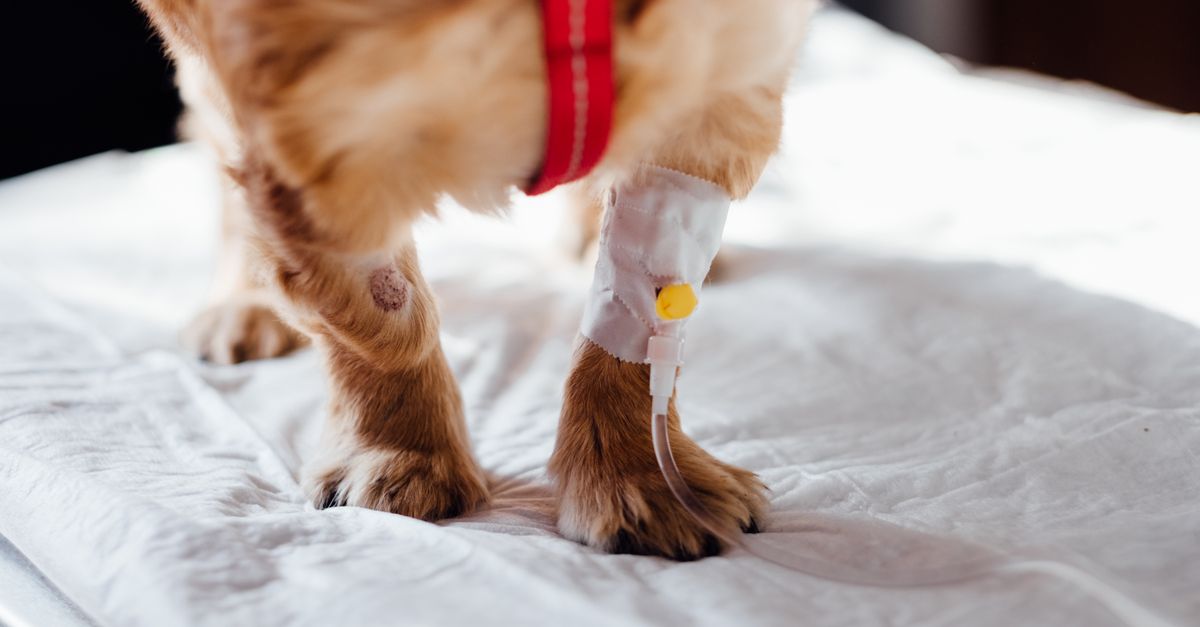
Common Treatments for Paw Problems
Common treatments for paw problems include antibiotics for infections, anti-fungal medications for fungal infections, and parasite removal and prevention for parasite infestations. Your veterinarian can help you determine the best course of treatment for your pet’s specific paw problem.
For more information on how to manage pet medications, check out our article on Mastering Pet Medication Management.
Home Remedies for Paw Problems
There are also several home remedies you can use to treat paw problems, including making a paw balm at home using natural ingredients such as coconut oil and beeswax. You can also use natural remedies such as tea tree oil to help treat fungal infections and other paw problems.
For more information on how to make a paw balm at home, check out our article on Mastering Pet Wound Care at Home.
Pro Tip
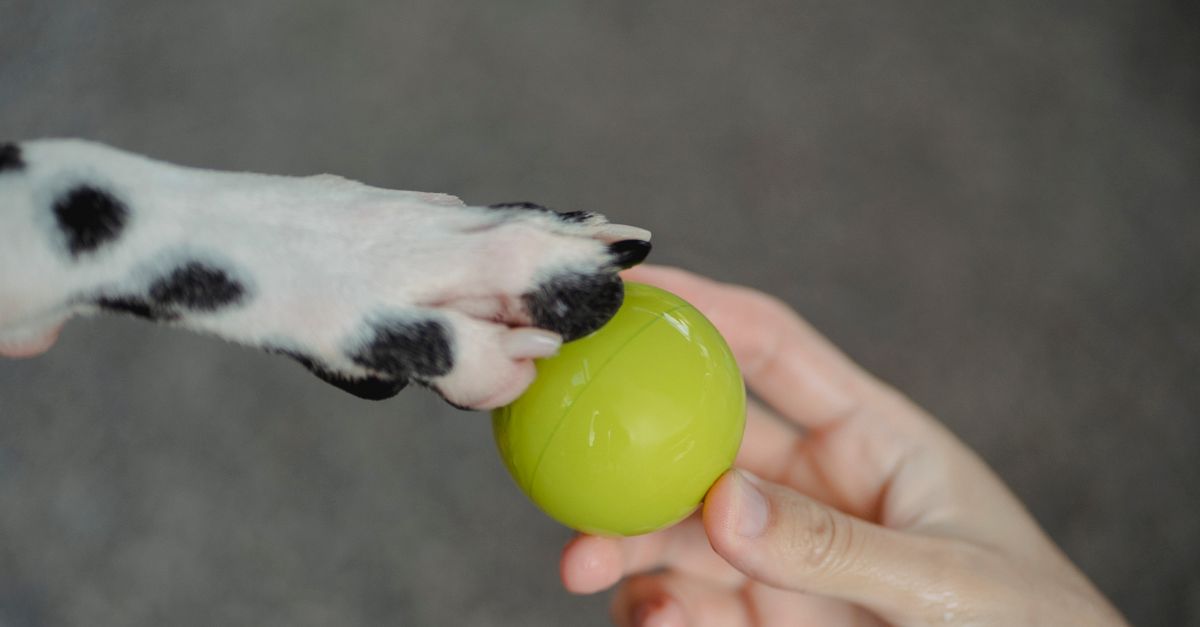
to always handle your pet’s paws gently and with care, as they can be sensitive and easily injured.
Frequently Asked Questions
Frequently asked questions about pet paw care include how often to trim your pet’s nails, what the signs of a paw infection are, and how to prevent parasites on your pet’s paws.
How often should I trim my pet’s nails?
The frequency of nail trimming depends on your pet’s individual needs and lifestyle. Generally, it’s recommended to trim your pet’s nails every 4-6 weeks, but this may vary depending on your pet’s age, health, and activity level.
What are the signs of a paw infection?
The signs of a paw infection can include redness, swelling, discharge, and a foul odor. If you notice any of these symptoms, it’s essential to seek veterinary care as soon as possible to prevent the infection from spreading and causing more severe problems.
How can I prevent my pet from getting parasites on their paws?
To prevent parasites on your pet’s paws, you should regularly inspect your pet’s paws for any signs of infestation, and use preventative measures such as flea and tick preventatives, and keep your pet’s living area clean to reduce the risk of parasite infestation.
By following these tips and taking proactive steps to prioritize your pet’s pet paw care, you can help keep their paws healthy and happy, and prevent common paw problems from occurring. To always handle your pet’s paws gently and with care, and seek veterinary care if you notice any signs of injury or infection. With the right care and attention, your pet’s paws can stay healthy and happy for years to come.