
Create a Pet-Friendly Yard with DIY Landscaping Ideas
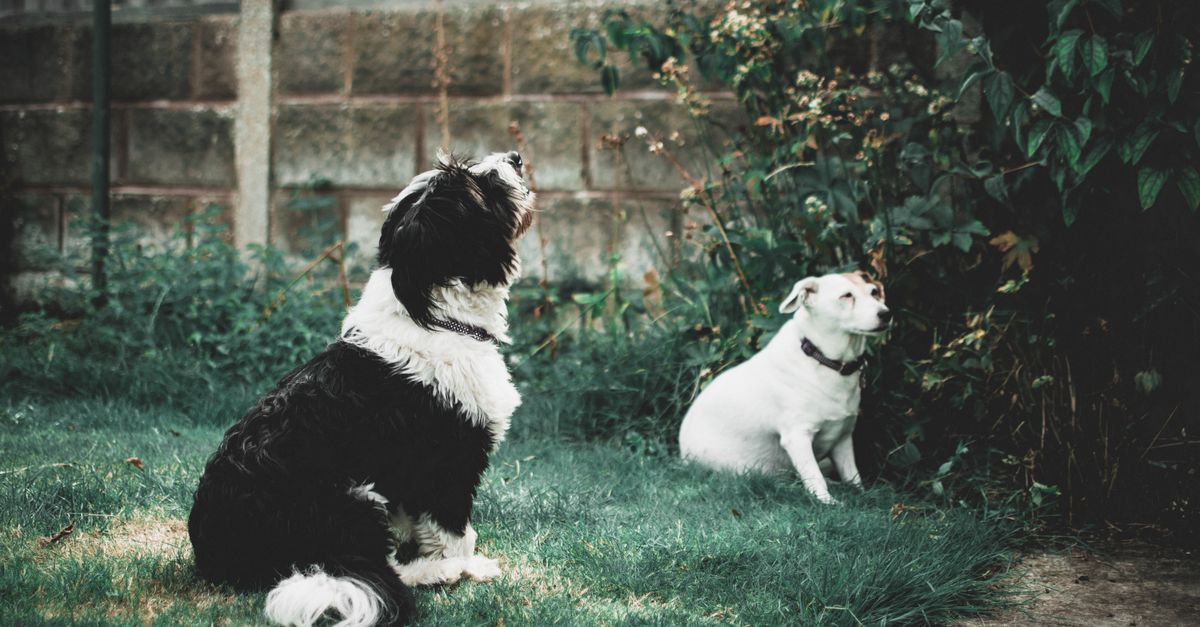
A well-designed pet friendly yard can provide your pet with a safe and enjoyable outdoor space. According to the American Pet Products Association, over 60% of pet owners consider their pets to be part of their family, and a pet friendly yard is necessary for their safety. Creating a pet friendly yard requires careful planning and consideration of your pet’s needs and safety.
When designing a pet friendly yard, consider the potential hazards that may exist, such as toxic plants and sharp objects. Your pet’s safety should always be your top priority, and a well-designed yard can help prevent accidents and injuries. A pet friendly yard can also provide your pet with exercise and mental stimulation.
To create a pet friendly yard, assess your yard’s layout and drainage, as well as the types of plants and materials used. This will help you identify potential hazards and make informed decisions about how to design your yard. For example, you may need to remove toxic plants or install a fence to prevent your pet from escaping.
Planning a Pet-Friendly Yard
Assessing Your Yard’s Pet-Friendliness
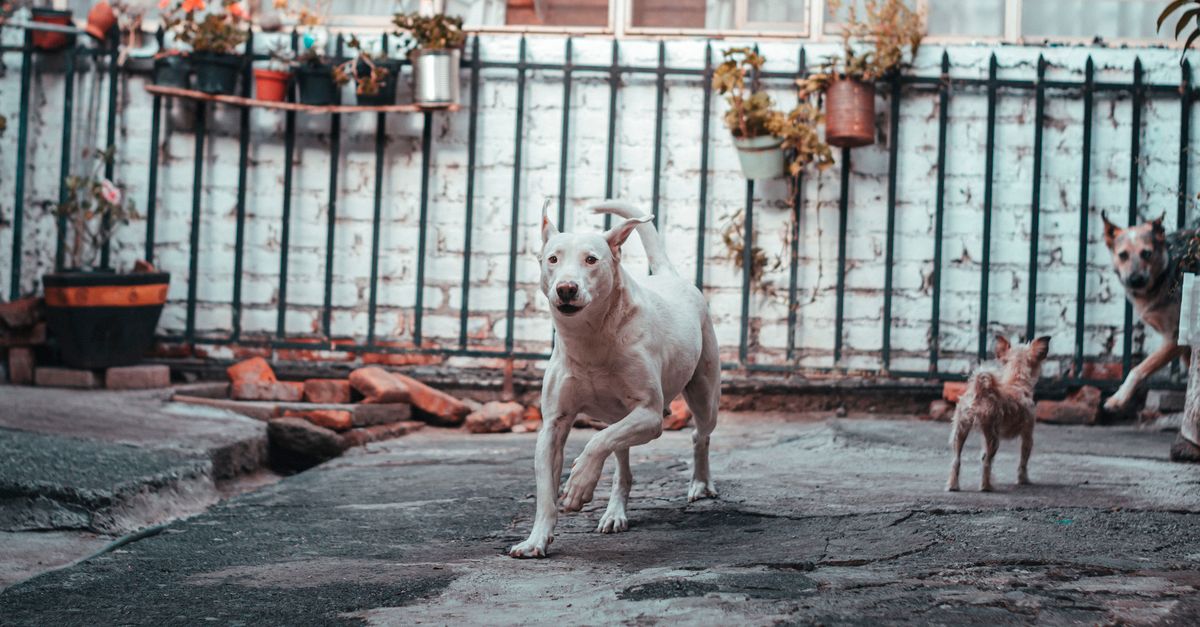
When assessing your yard’s pet-friendliness, consider the types of plants and materials used. Some plants, such as oleander and castor bean, are toxic to pets and should be avoided. You should also evaluate the yard’s layout and drainage.
Choosing Pet-Friendly Plants
Choosing pet-friendly plants is necessary for creating a safe outdoor space for your pet. Some pet-friendly plants, such as petunias and sunflowers, are non-toxic and can add beauty to your yard. However, avoid toxic plants like oleander, castor bean, rhododendron, and azalea.
These plants can be hazardous to your pet’s health and should be avoided in your yard design. Instead, opt for plants that are safe for your pet to be around.
Securing Your Yard’s Fencing
Types of Pet-Friendly Fencing
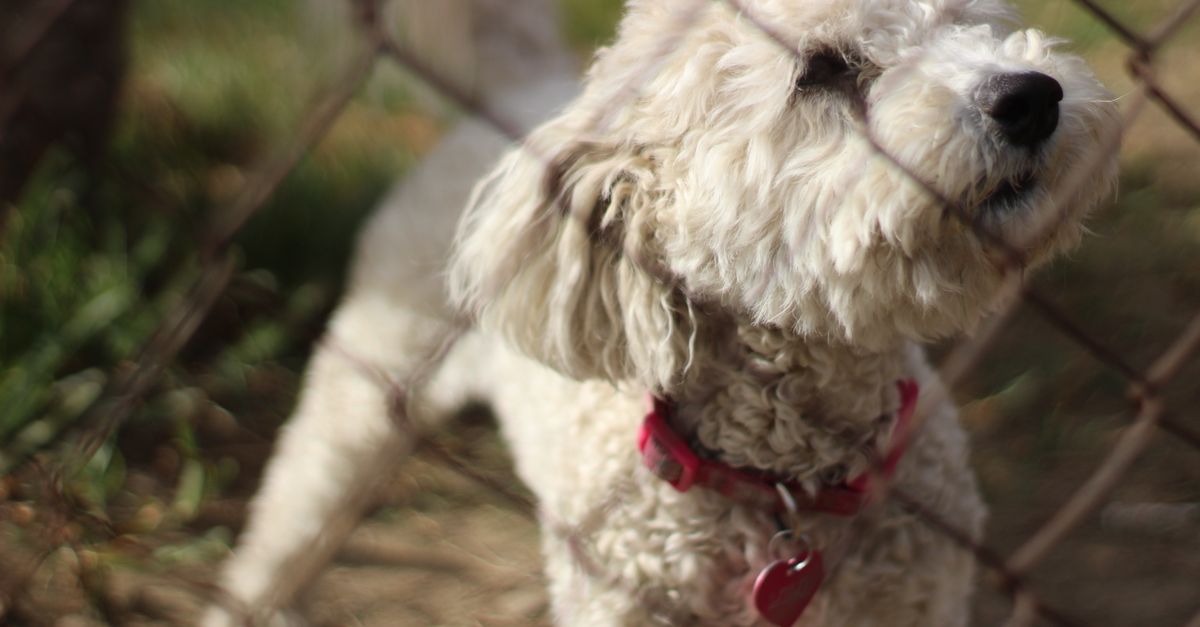
Securing your yard’s fencing is necessary for preventing your pet from escaping. There are several types of pet-friendly fencing materials available, including wood, metal, and vinyl. The type of fencing material you choose will depend on your pet’s size, breed, and activity level.
DIY Fencing Installation
Installing a fence can be a DIY project, but it requires careful planning and execution. You’ll need to consider the height and width of the fence, as well as the type of material used. Ensure that the fence is secure and durable to prevent your pet from escaping.
For more information on DIY fencing installation, you can consult online resources, such as Pet Flea Control: Effective Methods.
DIY Landscaping Ideas for a Pet-Friendly Yard
Creating a Pet-Friendly Patio
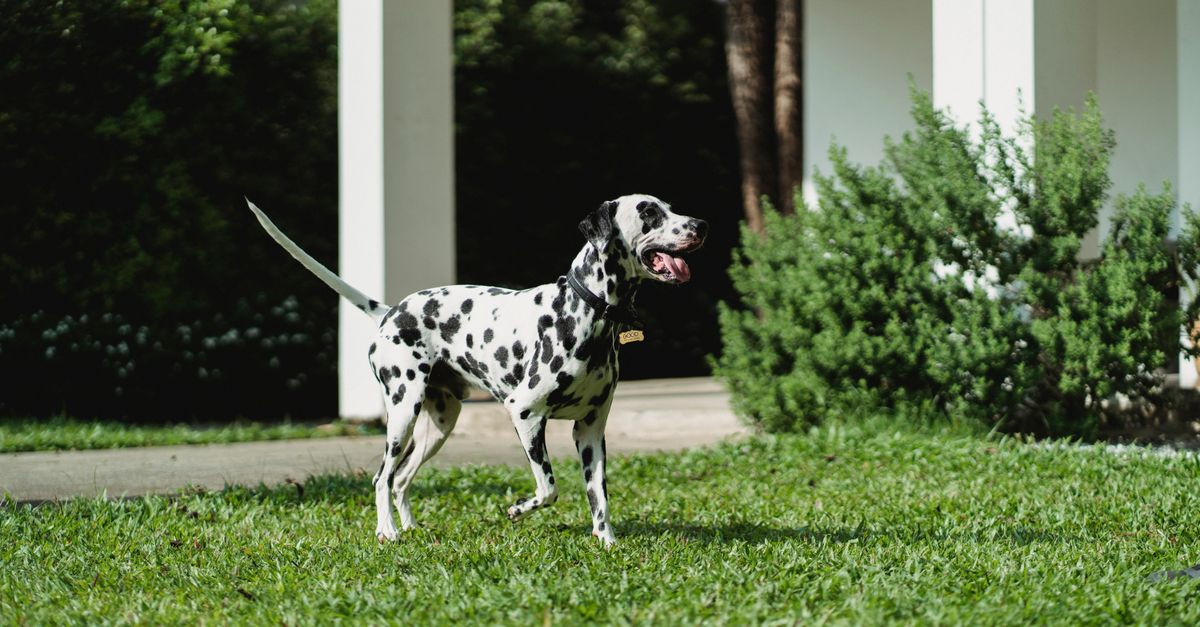
Creating a pet-friendly patio can provide your pet with a safe outdoor space. Use pet-friendly materials, such as concrete or brick, and avoid toxic plants and sharp objects. Add features like a dog bed or a cat tree to make the space comfortable for your pet.
Building a Pet-Friendly Garden
Building a pet-friendly garden can provide your pet with a safe outdoor space. Use raised beds and avoid sharp objects, such as gardening tools or toxic plants. Add features like a water fountain or a bird feeder to make the space interesting for your pet.
For more information on building a pet-friendly garden, you can consult online resources, such as Mastering Pet Wound Care at Home.
Maintaining a Pet-Friendly Yard
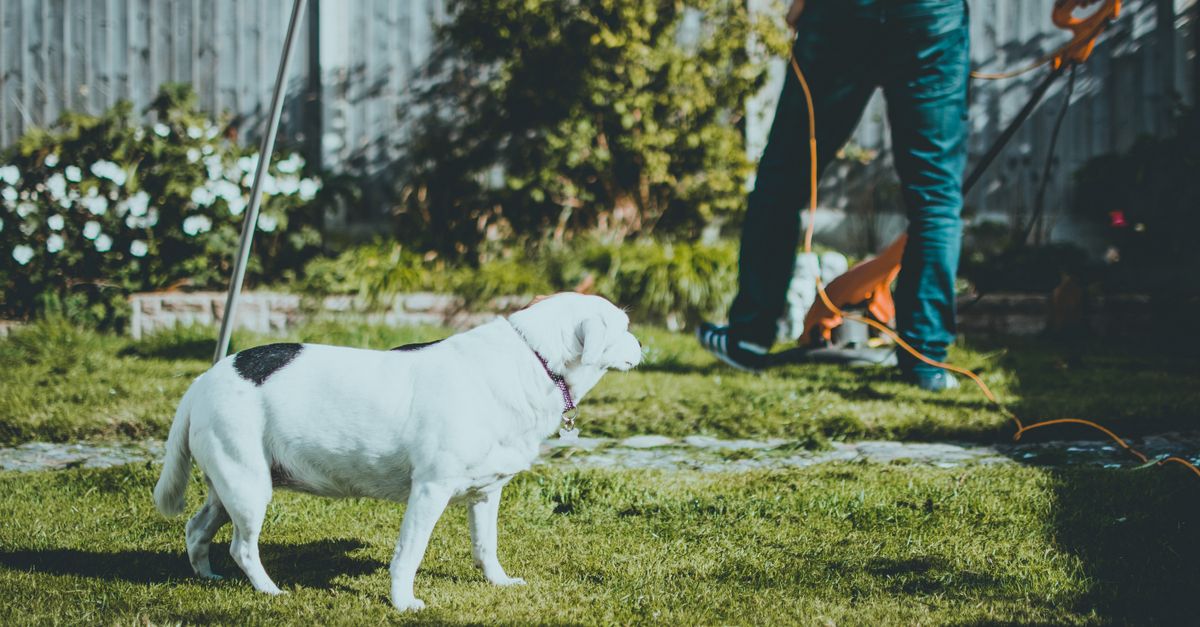
Regular Yard Maintenance
Regular yard maintenance is necessary for keeping your pet friendly yard safe. Regularly inspect the yard for potential hazards, such as toxic plants or sharp objects, and take steps to address them. Maintain the fence and other features to ensure they remain secure and durable.
Seasonal Yard Maintenance
Seasonal yard maintenance is also necessary for keeping your pet friendly yard safe. Take steps to prepare the yard for each season, such as winterizing the yard or preparing for spring. Be aware of potential hazards, such as ticks or fleas, and take steps to address them.
For more information on seasonal yard maintenance, you can consult online resources, such as What to Do Before, During, and After Tick Season.
Pro tip: Regularly inspect your yard’s fencing and plants to ensure they remain pet-friendly and secure.
Frequently Asked Questions
Creating a pet friendly yard can be complex, and many pet owners have questions. Here are some frequently asked questions and answers to help you create a safe outdoor space for your pet.
What are some common mistakes to avoid when creating a pet-friendly yard?
Some common mistakes to avoid include failing to assess the yard’s layout and drainage, choosing toxic plants, and not securing the fence. These mistakes can put your pet’s safety and health at risk. For more information, consult online resources, such as Mastering Pet Allergy Testing at Home.
How can I ensure my yard’s fencing is secure for my pets?
Ensuring your yard’s fencing is secure requires careful planning and execution. Choose a durable and secure fencing material, such as wood or metal, and ensure that the fence is tall enough to prevent your pet from jumping over it. Regularly inspect the fence for damage or weaknesses.
What are some pet-friendly plants that are easy to maintain and safe for my pets?
Some pet-friendly plants that are easy to maintain and safe include petunias, sunflowers, and daisies. These plants are non-toxic and can add beauty to your yard. Avoid toxic plants like oleander and castor bean, which can be hazardous to your pet’s health.
Creating a pet friendly yard requires careful planning and consideration of your pet’s needs and safety. By following these tips, you can create a safe outdoor space for your pet to enjoy. To regularly inspect your yard’s fencing and plants to ensure they remain pet-friendly and secure.