

Mastering Pet Parasite Control Naturally
According to the American Animal Hospital Association, pet parasite control is a critical aspect of maintaining your pet’s overall health, with approximately 34% of dogs and 12% of cats infected with internal parasites. Effective pet parasite control requires a comprehensive approach, including a balanced diet, natural supplements, and environmental changes. A well-nourished pet is better equipped to fight off parasite infestations, making diet and nutrition key components of pet parasite control.
A balanced diet provides your pet with the necessary nutrients to maintain a healthy immune system, reducing the risk of parasite infestations. For example, a diet rich in omega-3 fatty acids can help reduce inflammation, making your pet less susceptible to parasite-related diseases. Certain foods such as pumpkin and sweet potatoes have natural anti-parasitic properties, making them excellent additions to your pet’s diet.
Regular cleaning and disinfecting of your pet’s food and water bowls, as well as their living areas, can also help prevent parasite infestations. This simple yet effective measure can significantly reduce the risk of parasite transmission, making it a key part of pet parasite control. For more information on pet care and hygiene, you can visit our article on pet grooming tips for easy at-home care.
Understanding the Risks of Pet Parasites
Types of Internal Parasites
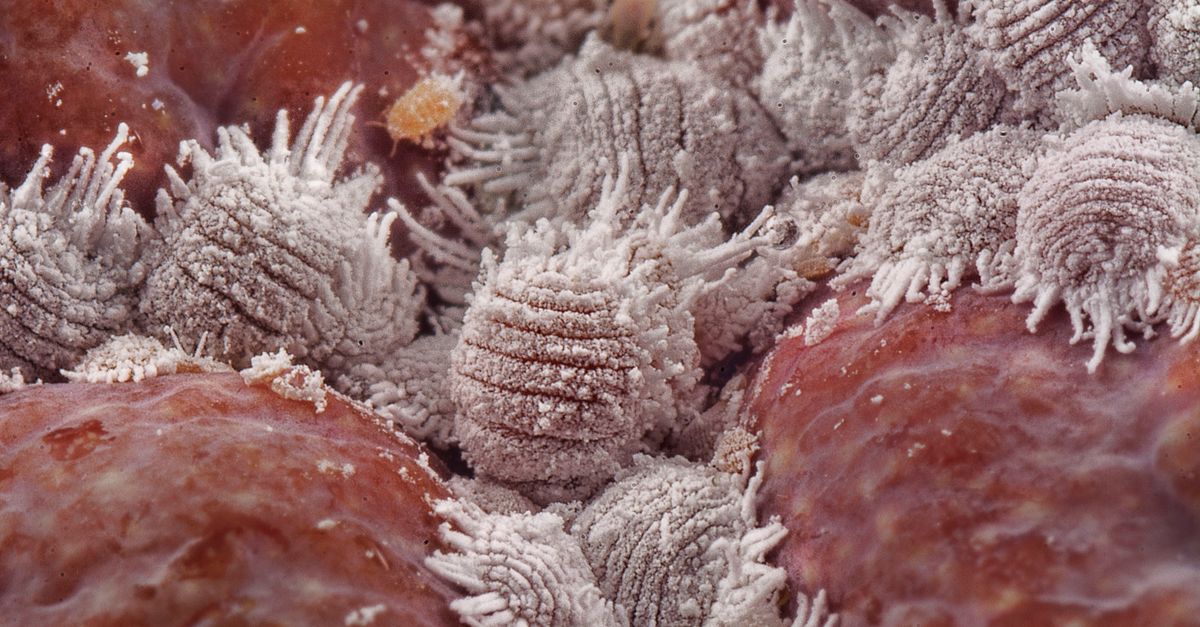
Internal parasites such as intestinal worms, protozoa, and fleas and ticks can cause significant harm to your pet’s health. These parasites can lead to a range of symptoms, including diarrhea, vomiting, and weight loss, making prompt treatment essential. For more information on preventing tick infestations, you can visit our article on what to do before, during, and after tick season.
Types of External Parasites
External parasites such as mites, lice, and flies can also cause significant discomfort and health issues for your pet. These parasites can lead to skin irritations, allergies, and infections, making effective pet parasite control crucial. For more information on managing pet allergies, you can visit our article on pet allergy testing at home.
Natural Diet and Nutrition for Parasite Control
The Importance of a Balanced Diet
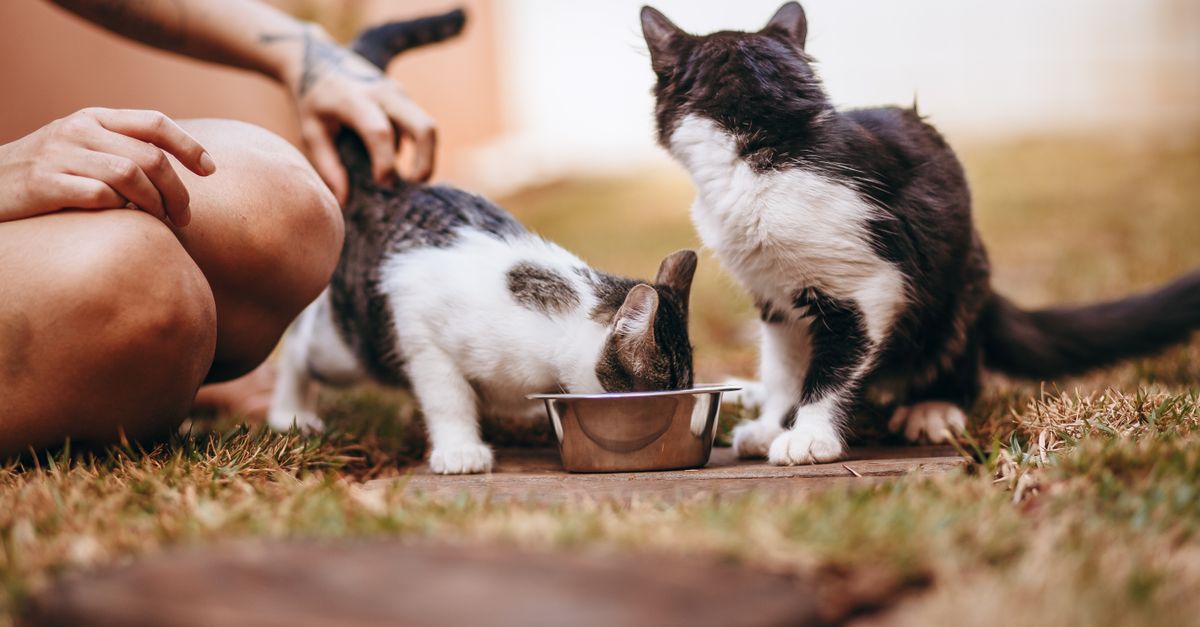
A balanced diet is key to maintaining your pet’s overall health and preventing parasite infestations. A diet that includes a combination of raw food, cooked food, and supplements can provide your pet with the necessary nutrients to fight off parasites. For example, adding garlic to your pet’s diet can help repel fleas and ticks, reducing the risk of parasite transmission.
Foods that Help Control Parasites
Certain foods such as pumpkin, sweet potatoes, and garlic have natural anti-parasitic properties, making them excellent additions to your pet’s diet. These foods can help reduce inflammation, improve digestion, and boost your pet’s immune system, making them less susceptible to parasite infestations. For more information on pet nutrition, you can visit our article on how to switch pet food without stomach upset.
Using Natural Supplements for Parasite Control

Diatomaceous Earth
Diatomaceous earth is a natural supplement that can help control parasites in pets. It works by dehydrating the parasites, ultimately killing them. The recommended dosage is 1-2 teaspoons per 10 pounds of body weight, mixed with your pet’s food. For more information on pet medication management, you can visit our article on mastering pet medication management at home.
Other Natural Supplements
Other natural supplements such as pumpkin seeds and apple cider vinegar can also help control parasites in pets. These supplements can help improve digestion, reduce inflammation, and boost your pet’s immune system, making them less susceptible to parasite infestations. For more information on pet health and wellness, you can visit our article on mastering pet odor removal naturally.
Creating a Parasite-Free Environment

Cleaning and Disinfecting
Regular cleaning and disinfecting of your pet’s food and water bowls, as well as their living areas, can help prevent parasite infestations. This simple yet effective measure can significantly reduce the risk of parasite transmission, making it a key part of pet parasite control. For example, regularly cleaning and disinfecting your pet’s food and water bowls, as well as their living areas, can help prevent parasite infestations.
Yard and Garden Maintenance
Regular yard and garden maintenance can also help prevent parasite infestations. Removing debris and waste, and using natural pest control methods can significantly reduce the risk of parasite transmission. For more information on pet-friendly yard maintenance, you can visit our article on pet sun protection for safe outdoor fun.
Monitoring and Detecting Parasites in Pets

Signs and Symptoms of Parasite Infestation
Regular monitoring of your pet’s health can help detect parasite infestations early on. Signs and symptoms of parasite infestation include diarrhea, vomiting, and weight loss. If you notice any of these symptoms, it’s essential to consult with your veterinarian promptly. For more information on pet health and wellness, you can visit our article on pet eye care essentials.
Testing and Diagnosis
Testing and diagnosis are crucial in detecting parasite infestations in pets. Your veterinarian may perform fecal exams, blood tests, and physical exams to determine the presence of parasites. For more information on pet testing and diagnosis, you can visit our article on mastering pet allergy testing at home.
Frequently Asked Questions
Frequently asked questions about pet parasite control can provide valuable insights and guidance for pet owners. Below are some of the most common questions and answers.
What are the most common types of parasites that affect pets?
The most common types of parasites that affect pets include intestinal worms, protozoa, fleas, and ticks. These parasites can cause significant harm to your pet’s health, making effective pet parasite control crucial.
How can I prevent parasite infestations in my pet?
Preventing parasite infestations in pets requires a comprehensive approach, including a balanced diet, natural supplements, and environmental changes. Regular cleaning and disinfecting of your pet’s food and water bowls, as well as their living areas, can also help prevent parasite infestations.
What are the risks of using chemical-based parasite control methods?
The risks of using chemical-based parasite control methods include toxicity, allergic reactions, and environmental pollution. These methods can also lead to the development of resistant parasite strains, making them less effective over time. For more information on pet care and safety, you can visit our article on pet fire safety and protection.
Effective pet parasite control requires a comprehensive approach, including a balanced diet, natural supplements, and environmental changes. By following these tips and guidelines, you can help keep your pet healthy and parasite-free. To always consult with your veterinarian before starting any new supplements or treatments, and to regularly monitor your pet’s health for signs of parasite infestations. With the right approach, you can help your pet live a long, healthy life.