

Mastering Pet Cardiac Care at Home
According to the American Animal Hospital Association, approximately 10% of all dogs will develop some form of pet cardiac care issue during their lifetime. As a responsible pet owner, it’s vital to understand the importance of pet cardiac care and how to care for your pet’s heart health at home. Regular monitoring and maintenance can significantly improve your pet’s quality of life and prevent sudden death.
Recognizing the signs and symptoms of heart problems in pets is critical for early detection and treatment. Common signs include coughing, fatigue, and shortness of breath. If you suspect your pet has a heart problem, consult with your veterinarian to determine the best course of action.
Your veterinarian may recommend a series of tests, including echocardiograms and blood work, to diagnose the underlying condition. Understanding the different types of heart conditions that can affect pets is also crucial for providing proper care.
Understanding Common Heart Conditions in Pets

Congestive Heart Failure in Pets
Congestive heart failure is a condition where the heart is unable to pump enough blood to meet the body’s needs. It can be caused by high blood pressure, valve disease, and heartworms. Signs and symptoms include coughing, fatigue, and shortness of breath.
Treatment options include medication, dietary changes, and in some cases, surgery. Your veterinarian may prescribe medications to help manage your pet’s condition and improve their quality of life.
Regular veterinary check-ups are crucial for pets with congestive heart failure. Your veterinarian can monitor your pet’s condition and make adjustments to their care plan as needed.
Arrhythmias in Pets
Arrhythmias are abnormal heart rhythms that can be caused by electrolyte imbalances, medication, and underlying heart disease. Signs and symptoms include fainting, seizures, and shortness of breath.
Treatment options include medication, pacing, and in some cases, surgery. Your veterinarian may prescribe medications to help manage your pet’s condition and improve their quality of life.
Regular monitoring and maintenance are crucial for pets with arrhythmias. Your veterinarian can help you develop a comprehensive care plan that includes regular check-ups and lifestyle changes.
Monitoring Heart Health at Home
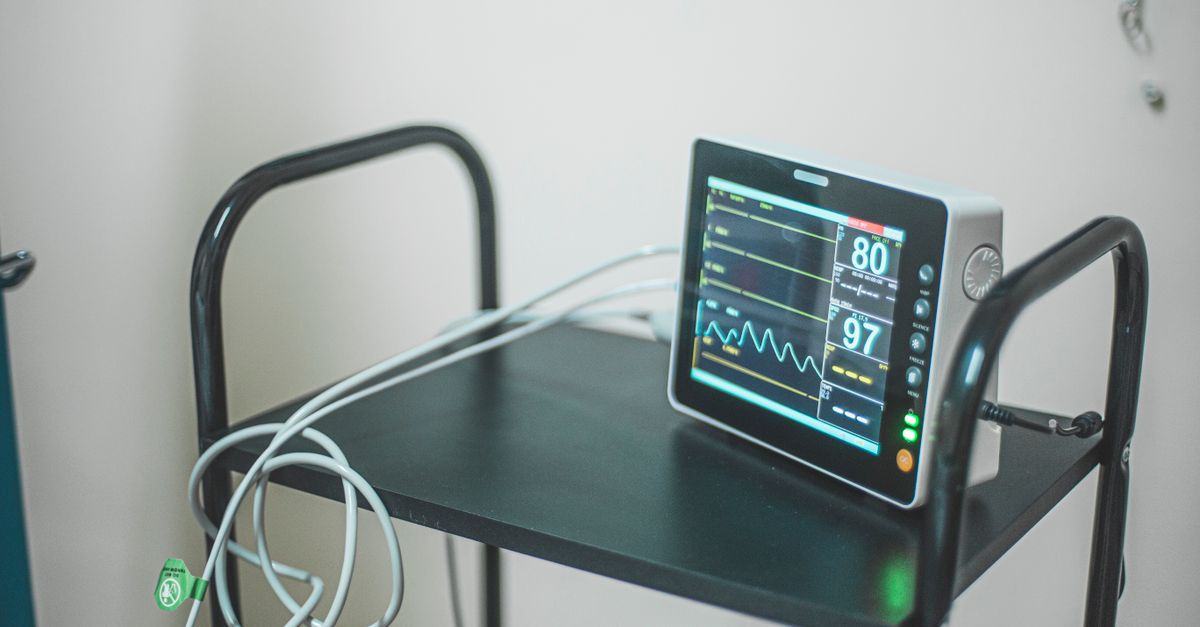
Taking Your Pet’s Pulse and Blood Pressure
Taking your pet’s pulse and blood pressure can help you monitor their heart health at home. To take your pet’s pulse, place your finger on the inside of their wrist or on the femoral artery.
To take your pet’s blood pressure, you will need a veterinary-approved blood pressure monitor. Follow the manufacturer’s instructions for proper use and take multiple readings to ensure accuracy.
Regular monitoring can help you identify any changes in your pet’s heart health and allow you to seek veterinary care promptly if needed.
Recognizing Signs and Symptoms of Heart Problems
Common signs and symptoms of heart problems in pets include coughing, fatigue, and shortness of breath. If you suspect your pet has a heart problem, consult with your veterinarian to determine the best course of action.
Your veterinarian may recommend a series of tests, including echocardiograms and blood work, to diagnose the underlying condition. In addition to recognizing signs and symptoms, it’s also essential to read your pet’s body language to recognize signs of distress or discomfort.
Regular veterinary check-ups are crucial for pets with heart conditions. Your veterinarian can monitor your pet’s condition and make adjustments to their care plan as needed.
Managing Pet Cardiac Care at Home

Diet and Exercise for Pets with Heart Conditions
Diet and exercise play a critical role in managing pet cardiac care at home. Your veterinarian may recommend a special diet that is low in sodium and rich in omega-3 fatty acids to help manage your pet’s condition.
Regular exercise, such as short walks and playtime, can also help improve your pet’s cardiovascular health. It’s also essential to manage your pet’s weight to prevent obesity, which can exacerbate heart conditions.
By feeding a balanced diet and encouraging regular exercise, you can help your pet maintain a healthy weight and reduce the risk of complications.
Medication Management for Pets with Heart Conditions
Medication management is a critical component of pet cardiac care. Your veterinarian may prescribe medications to help manage your pet’s condition and improve their quality of life.
It’s essential to follow the prescribed dosage and administration instructions carefully to ensure your pet receives the correct amount of medication. In addition to medication management, it’s also essential to establish a pet sleep routine that promotes relaxation and reduces stress.
Regular monitoring and maintenance are crucial for pets with heart conditions. Your veterinarian can help you develop a comprehensive care plan that includes regular check-ups, medication management, and lifestyle changes.
Pro tip: Regular veterinary check-ups are crucial for pets with heart conditions, as they can help catch any potential problems early on and prevent sudden death or decreased quality of life.
Frequently Asked Questions
The following are some frequently asked questions about pet cardiac care. Understanding the answers to these questions can help you provide the best possible care for your pet.
What are the most common heart conditions in pets?
The most common heart conditions in pets include congestive heart failure, arrhythmias, and valve disease. These conditions can be caused by high blood pressure, genetics, and underlying medical conditions.
How can I prevent heart problems in my pet?
Preventing heart problems in pets requires a comprehensive approach that includes regular veterinary check-ups, a balanced diet, and regular exercise. Additionally, controlling parasites and managing stress can help reduce the risk of heart disease.
What are the risks of untreated heart conditions in pets?
The risks of untreated heart conditions in pets include sudden death, decreased quality of life, and increased risk of complications. Untreated heart conditions can also lead to secondary problems, such as kidney disease and respiratory failure.
By understanding the importance of pet cardiac care and taking a proactive approach to your pet’s heart health, you can help them live a long and healthy life. To work closely with your veterinarian to develop a comprehensive care plan that meets your pet’s unique needs, and don’t hesitate to seek veterinary care if you suspect your pet has a heart problem. With proper care and attention, you can help your pet live a long and healthy life.