

Mastering Pet Noise Phobia Treatment
Pet noise phobia affects millions of dogs and cats worldwide, causing significant distress and anxiety for both pets and their owners. According to recent studies, up to 50% of pets experience some level of noise phobia, with fireworks and thunderstorms being the most common triggers. As a responsible pet owner, it is necessary to understand the causes and symptoms of pet noise phobia and to explore effective treatment options.
Noise phobia can have a significant impact on a pet’s quality of life, leading to anxiety and stress behaviors, as well as physical symptoms such as panting and trembling. If left untreated, noise phobia can also lead to more severe problems, including destruction of property and escape attempts.
Fortunately, there are several effective treatment options available, including desensitization and counterconditioning methods, as well as calming aids and ear protection products. For pets with severe noise phobia, it is crucial to work with a professional trainer or behaviorist to develop a customized treatment plan, which may involve pet anxiety solutions and pet medication management.
Understanding Pet Noise Phobia

Causes of Noise Phobia
Noise phobia in pets can be caused by a combination of genetic, environmental, and traumatic factors. Genetic predisposition can play a significant role, with some breeds being more prone to noise phobia than others. Environmental factors, such as exposure to loud noises at a young age, can also contribute to the development of noise phobia.
Symptoms of Noise Phobia
The symptoms of noise phobia in pets can vary, but common signs include anxiety and stress behaviors, such as panting, trembling, and pacing. Pets may also exhibit physical symptoms, such as a rapid heartbeat and elevated blood pressure.
Effective Treatment Options

Desensitization and Counterconditioning
Desensitization and counterconditioning are two effective methods for treating noise phobia in pets. Desensitization involves gradually exposing the pet to the triggering noise at a low level, while counterconditioning involves associating the noise with a positive outcome, such as treats and praise.
Calming Aids and Ear Protection
In addition to desensitization and counterconditioning, there are several calming aids and ear protection products available to help pets with noise phobia. Calming collars and vests can provide a sense of comfort and security, while earmuffs and earplugs can help reduce the intensity of the noise. Pet ear cleaning is also essential to prevent ear infections and promote overall ear health.
Implementing a Treatment Plan
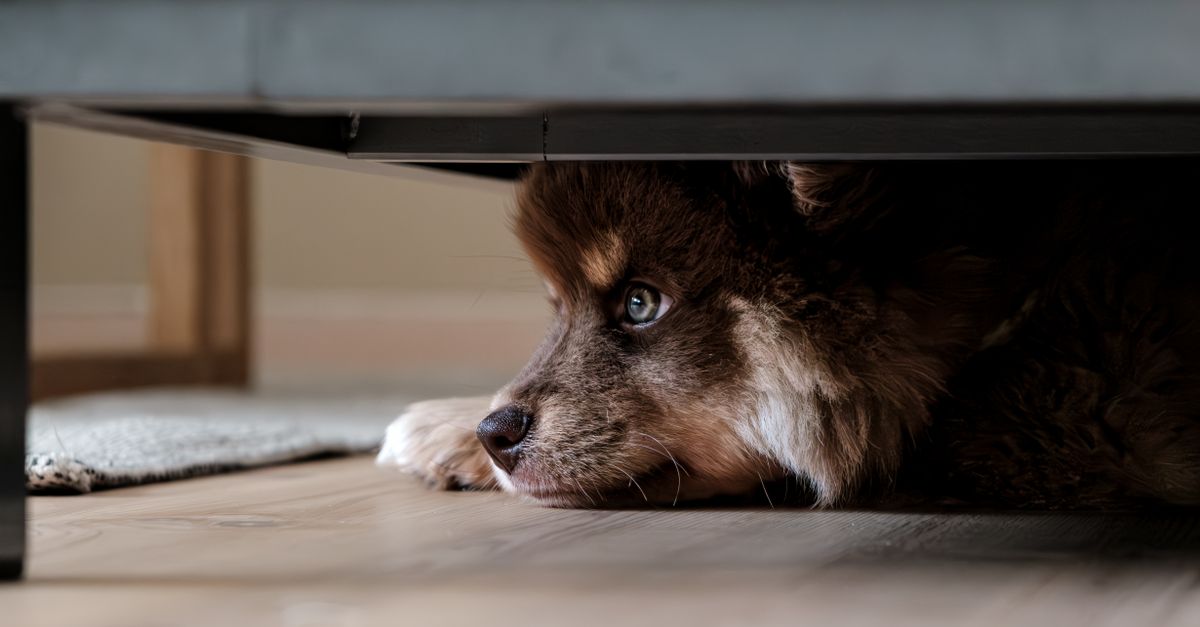
Creating a Safe Space
Creating a safe and comfortable space for your pet is crucial when implementing a treatment plan for noise phobia. This can involve setting up a quiet room or den where your pet can retreat when they feel anxious or stressed. You can also use white noise machines or calming music to help mask the triggering noise and create a more relaxed atmosphere.
Monitoring Progress
Monitoring your pet’s progress is essential when implementing a treatment plan for noise phobia. This involves tracking your pet’s behavior and response to the treatment, as well as adjusting the plan as needed. By working closely with a professional trainer or behaviorist, you can develop a customized treatment plan that addresses your pet’s specific needs and circumstances.
Pro tip: Consistency and patience are key when treating pet noise phobia. Work with a professional trainer or behaviorist to develop a customized treatment plan that addresses your pet’s specific needs and circumstances.
Common Mistakes to Avoid

Inconsistent Training
Inconsistent training is a common mistake that can hinder the effectiveness of a treatment plan for noise phobia. It’s essential to establish a consistent routine and reinforce positive behaviors to help your pet overcome their anxiety and stress.
Insufficient Support
Insufficient support is another common mistake that can hinder the effectiveness of a treatment plan for noise phobia. It’s essential to seek professional help and support from friends and family to help your pet overcome their anxiety and stress.
Frequently Asked Questions
Frequently asked questions about pet noise phobia can provide valuable insights and guidance for pet owners. Below are some common questions and answers to help you better understand and address noise phobia in your pet.
What are the most common causes of noise phobia in pets?
The most common causes of noise phobia in pets include genetic predisposition, environmental factors, and traumatic experiences. By understanding the underlying causes of noise phobia, you can develop a more effective treatment plan to help your pet overcome their anxiety and stress.
How can I help my pet overcome noise phobia during fireworks and thunderstorms?
Helping your pet overcome noise phobia during fireworks and thunderstorms requires a comprehensive approach that includes desensitization, counterconditioning, and calming aids. You can also use white noise machines or calming music to help mask the triggering noise and create a more relaxed atmosphere.
What are the potential risks of untreated noise phobia in pets?
The potential risks of untreated noise phobia in pets include increased anxiety and stress, destruction of property, and escape attempts. In severe cases, noise phobia can also lead to physical harm and emotional trauma for both pets and their owners. By seeking professional help and support, you can develop a comprehensive treatment plan to help your pet overcome their noise phobia and live a happier, healthier life.
By understanding the causes and symptoms of noise phobia and exploring effective treatment options, pet owners can help their pets overcome this common problem and live a happier, healthier life. To always seek professional help and support, and to be patient and consistent when implementing a treatment plan. With the right approach and resources, you can help your pet overcome noise phobia and enjoy a more relaxed and peaceful life together.