
How to Manage Pet Weight at Home Before It’s a Problem
You reach down to pet your dog and realize you can’t feel his ribs anymore. Or your cat has stopped jumping onto the counter — not because she’s finally learned manners, but because it’s gotten harder. Pet weight gain is sneaky. It happens in half-portions and extra treats and “just this once” table scraps, and by the time most owners notice, the problem is already months old.
About 60% of cats and 56% of dogs in the US are classified as overweight or obese, according to the Association for Pet Obesity Prevention. Those numbers aren’t about negligent owners — they’re about how easy it is to misjudge portion sizes and how few of us were ever taught what a healthy pet body actually looks and feels like. Pet weight management is less about willpower and more about having the right information.
This guide gives you the practical tools to assess your pet’s weight honestly, adjust what’s actually driving the gain, and build habits that stick — without turning every meal into a math problem.
How to Actually Tell If Your Pet Is Overweight
The scale alone won’t tell you much. A healthy weight for a Labrador Retriever could be anywhere from 55 to 80 pounds depending on frame size and sex. What matters more is body condition — and you can assess it at home with your hands and eyes in about two minutes.
The Rib Test
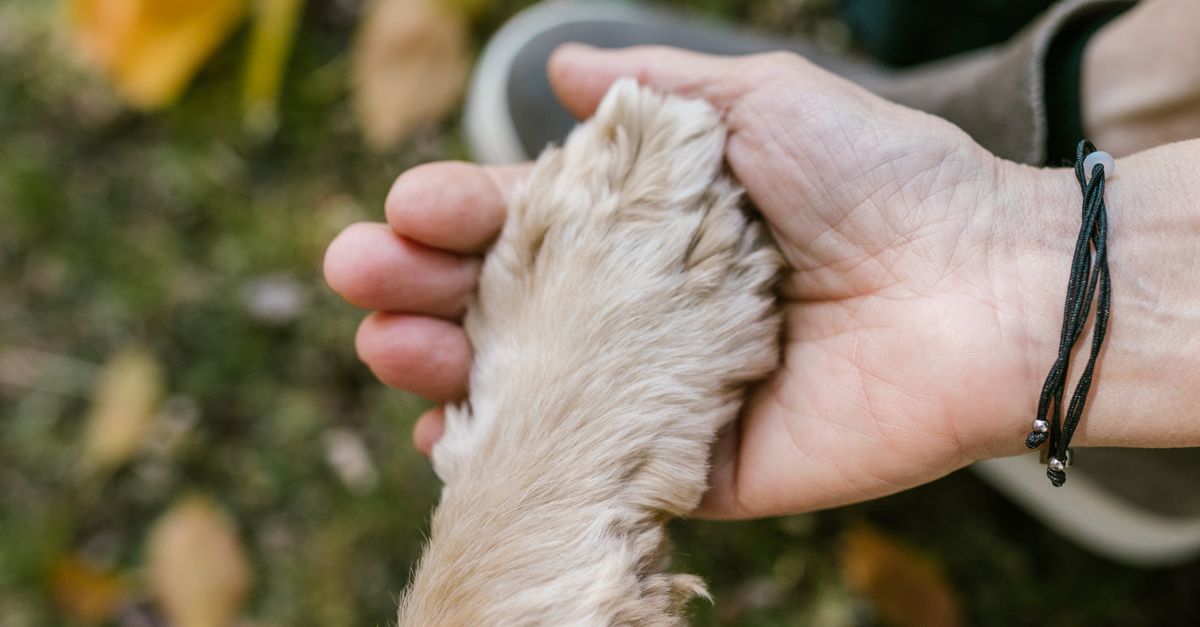
Run your fingers firmly along your pet’s ribcage without pressing hard. You should be able to feel each rib individually, with just a thin layer of flesh over them — like the back of your hand. If you have to press to find the ribs, your pet is carrying too much fat. If the ribs feel like bare knuckles, they’re underweight. This works for dogs, cats, and even rabbits.
The Waist Check
Look at your pet from directly above. There should be a visible narrowing behind the ribcage — a waist. From the side, the belly should tuck upward toward the hind legs, not hang level or droop. Cats especially lose this tuck early when they start gaining, and many owners mistake a pendulous belly for normal “cat shape.” It’s not. A low-hanging belly pouch on a cat usually means excess fat, not just loose skin.
Scoring With the Body Condition Scale
Vets use a 9-point Body Condition Score (BCS) system. A score of 4–5 is ideal. At 6–7, your pet is overweight. At 8–9, obese. You can find illustrated BCS charts from the World Small Animal Veterinary Association online — print one out and use it monthly. Doing this yourself between vet visits means you’ll catch a creeping BCS of 6 before it becomes a 7.
The Real Reasons Pets Gain Weight
Blaming treats is too simple. Yes, treats contribute — but the bigger culprits are often invisible to owners who think they’re doing everything right.
Portion Distortion
The feeding guides on pet food bags are notoriously generous. They’re calculated for an average active, intact animal — not your neutered, apartment-dwelling four-year-old. Most vets recommend feeding 10–20% less than the bag suggests for spayed or neutered adult pets with moderate activity. Use a kitchen scale instead of a measuring cup — cups can be off by 20–30% depending on how you scoop. If you’re switching foods and need to adjust gradually, the approach covered in how to switch pet food without stomach upset will help you do it without digestive chaos.
Calorie-Dense Treats
A single medium Milk-Bone biscuit contains about 40 calories. For a 10-pound cat, that’s roughly 8% of their daily calorie budget in one snap. Treats should make up no more than 10% of your pet’s daily calories — which for a small dog or average cat means just two or three small treats per day, not a handful. Switch to low-calorie options like plain cooked chicken breast, baby carrots for dogs, or freeze-dried meat treats with a single ingredient.
Medical Causes Worth Ruling Out
Hypothyroidism in dogs and hyperadrenocorticism (Cushing’s disease) can cause weight gain even when diet is controlled. If your dog is gaining weight despite genuine portion control and regular exercise, a thyroid panel at your next vet visit is worth requesting. In cats, the most common medical driver of weight gain is simply age-related muscle loss paired with reduced activity — which is why body composition matters more than the number on the scale.
Building a Feeding Routine That Prevents Creep
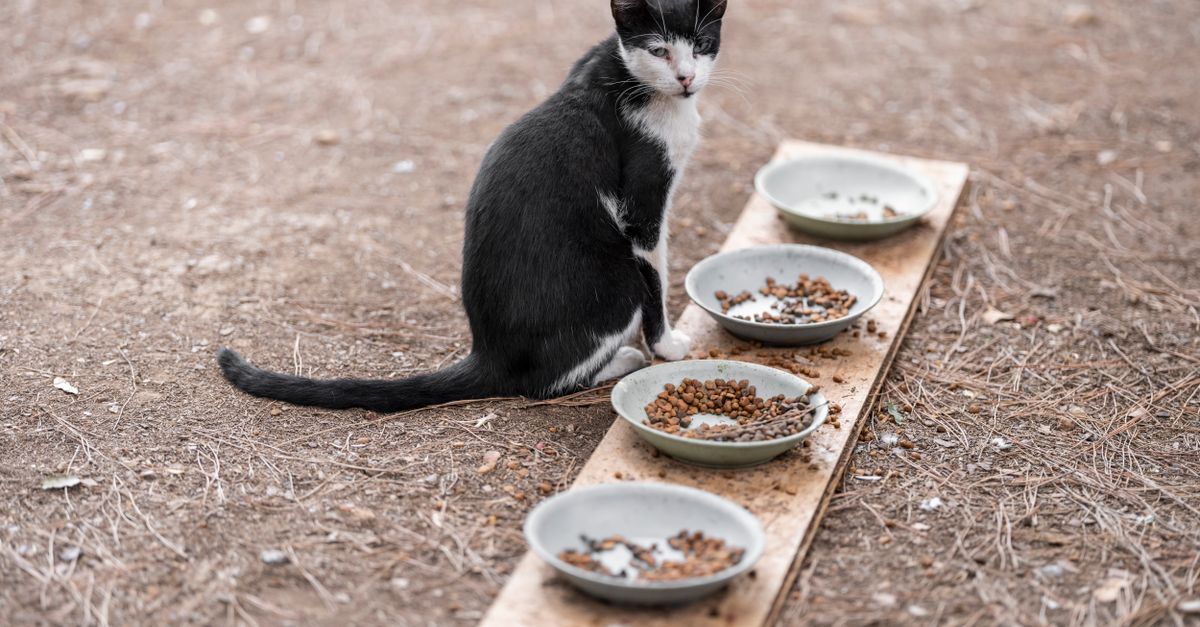
Free-feeding — leaving food out all day — is one of the fastest routes to an overweight pet. It removes your ability to monitor intake and makes it nearly impossible to notice early appetite changes that could signal illness. Switching to scheduled meals twice a day gives you control and a built-in daily health check.
For dogs, two meals per day spaced 8–12 hours apart works well for most adults. For cats, two to three small meals are better, since cats naturally eat multiple small portions. If you have a cat who inhales food and immediately begs for more, a puzzle feeder or slow-feed bowl can extend mealtime by 10–15 minutes and reduce overeating driven by boredom. Speaking of which, if your cat or dog seems restless and food-obsessed between meals, it’s worth checking whether boredom is actually the issue — it often is.
Pro tip: If you have multiple pets, feed them in separate rooms or with physical barriers. “Competitive eating” — where one pet rushes to finish and then steals from another — is a common hidden source of overconsumption that owners rarely connect to weight gain.
For small pets like guinea pigs and rabbits, the biggest dietary mistake is over-relying on pellets. Unlimited hay should form 80% of their diet. Pellets — even quality ones — are calorie-dense and should be rationed to about 1/8 cup per day for a guinea pig and 1/4 cup for a 6-pound rabbit.
Exercise That Actually Makes a Difference
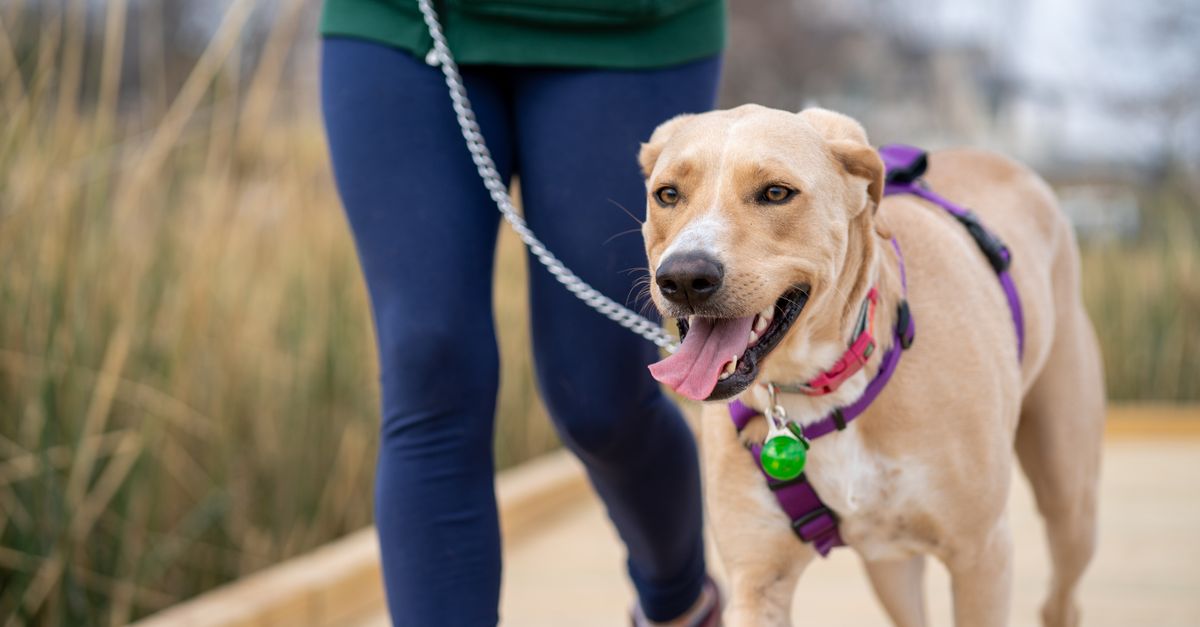
A ten-minute stroll around the block once a day won’t shift an overweight dog’s weight meaningfully. For real calorie burn, you need sustained moderate activity. Aim for at least 30 minutes of brisk walking or active play per day for most medium to large dogs — split into two sessions if needed. Small breeds can get by with 20 minutes, but the pace matters. A slow amble doesn’t count.
Exercise for Cats
Cats won’t walk on a leash willingly (most of them), so you need to create activity indoors. Interactive wand toys — the kind where you actively play with them, not automated toys they ignore after day two — are the most effective. Three 5-minute active play sessions per day can meaningfully increase a cat’s daily calorie expenditure. The goal is to get them panting slightly or flopping down after a session. If they’re not tired, the play wasn’t intense enough.
Exercise for Small Pets
Hamsters need a wheel with a minimum 10-inch diameter (smaller wheels cause spinal arching and reduced use). Guinea pigs and rabbits need floor time outside their enclosures — at least an hour per day in a safe, enclosed space. Exercise for small animals is less about weight loss and more about preventing the muscle atrophy and metabolic slowdown that makes weight management harder over time.
Tracking Progress Without Obsessing Over the Scale

Weigh your pet every 2–4 weeks, not daily. Daily fluctuations mean nothing. For dogs and cats, most bathroom scales work fine — weigh yourself, then weigh yourself holding your pet, and subtract. For small pets, a kitchen scale set to grams is more accurate. Log the number somewhere. A simple note on your phone is enough.
Healthy weight loss in dogs and cats should be slow: about 0.5–1% of body weight per week. For a 15-pound cat, that’s roughly 1–2 ounces per week. Faster than that, and you risk hepatic lipidosis in cats — a serious liver condition triggered by rapid fat mobilization. Slow and steady isn’t just a cliché here; it’s medically important.
Combine weight tracking with monthly BCS checks and note any changes in energy, coat quality, or drinking habits. Increased thirst alongside weight gain can point to diabetes or Cushing’s, both of which need veterinary attention. Keeping an eye on your pet’s overall condition ties into knowing their normal behavior well — the kind of baseline awareness that also helps you read your pet’s body language accurately day to day.
If your pet’s coat starts looking dull during a weight-loss phase, check that their food still meets nutritional requirements at the reduced quantity — some foods become inadequate below a certain serving size, and a diet change may be needed rather than just a portion cut. Your vet can run a quick nutritional adequacy check at a routine visit, and since unexpected vet costs can catch people off guard, it’s worth knowing your options — navigating vet costs is something more owners are thinking about proactively.
Frequently Asked Questions
My pet lost weight but now seems to have plateaued — what’s happening?
Weight loss plateaus happen because metabolism adapts. As your pet loses fat, their resting metabolic rate decreases — meaning the same calorie deficit that worked before now maintains rather than reduces weight. The fix is usually a modest 5–10% further reduction in daily calories, combined with a slight increase in activity intensity. Give any adjustment at least 3–4 weeks before evaluating whether it’s working.
Can I use “light” or “weight control” pet food instead of reducing portions?
Light foods can help, but they’re not a free pass to feed unlimited quantities. These formulas typically have 15–30% fewer calories per cup, but if you feed the same volume as before, the calorie reduction is minimal. You still need to measure and likely reduce the amount slightly. Also check the protein content — some light foods cut calories partly by reducing protein, which can accelerate muscle loss during weight reduction, especially in older pets.
My vet said my dog is overweight, but he acts completely normal and energetic — does it really matter?
Yes, and this is one of the most common reasons owners delay action. Dogs are remarkably good at compensating for discomfort, and excess weight stresses joints long before you see any limping or reluctance to move. Studies show that even moderate obesity reduces a dog’s lifespan by up to 2.5 years and significantly increases the risk of arthritis, diabetes, and certain cancers. A dog acting “fine” at a BCS of 7 is not the same as a dog who is actually fine — the damage accumulates silently.