

Mastering Pet Telehealth for Convenience
Over 70% of pet owners consider their pets part of the family, and with the rise of pet telehealth services, it’s easier to provide quality care from home. Pet telehealth allows remote consultations with a veterinarian, saving time and money while reducing stress associated with in-person visits. The increasing popularity of pet telehealth makes it essential to understand its benefits and drawbacks and how to choose the right platform.
One of the primary advantages of pet telehealth is its convenience. You can consult with a veterinarian from anywhere with a stable internet connection, which is beneficial for pet owners in rural or underserved areas. For example, if your pet is experiencing separation anxiety, you can consult with a veterinarian remotely for guidance.
Pet telehealth is also affordable, with many platforms offering subscription plans or one-time consultation fees. However, it’s crucial to research and evaluate the credentials of pet telehealth providers to ensure quality care. You can learn more about managing your pet’s medication and how pet telehealth can help with this process.

Introduction to Pet Telehealth

What is Pet Telehealth?
Pet telehealth uses digital communication technologies, such as video conferencing and messaging apps, to provide veterinary care remotely. This includes consultations, diagnoses, and treatment plans, as well as follow-up care and monitoring. Pet telehealth services address various health issues, from minor skin allergies to complex conditions like diabetes.
Benefits of Pet Telehealth
Pet telehealth offers increased accessibility to veterinary care for pets in rural or underserved areas. Many pet telehealth platforms partner with local veterinarians to provide in-person care when necessary, ensuring your pet receives the best care. You can also learn about caring for your pet’s foot pads and how pet telehealth can help.
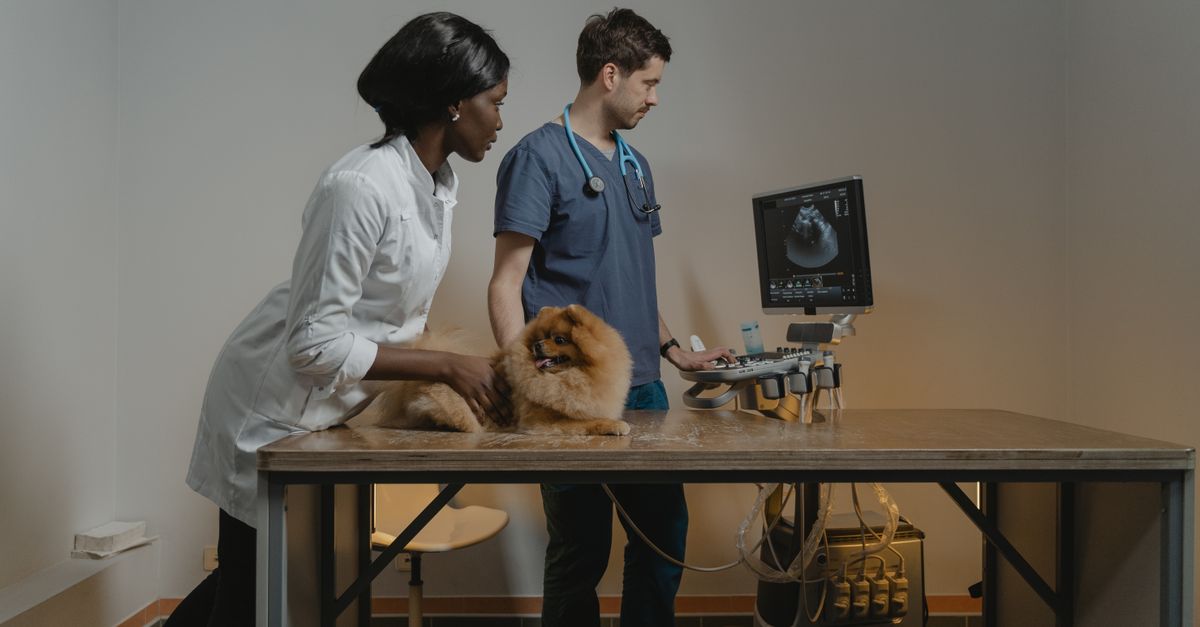
Choosing the Right Pet Telehealth Platform

Accreditation and Certification
When choosing a pet telehealth platform, research and evaluate the providers’ credentials. Look for platforms accredited by reputable organizations, such as the American Animal Hospital Association (AAHA), and that have certified veterinarians on staff. You can check online reviews and ask for referrals from friends or family members who have used pet telehealth services. For more information on senior pet care, you can consult with a veterinarian through a pet telehealth platform.
Services and Features
Different pet telehealth platforms offer varying services and features. Some may offer educational materials or online support groups, while others have more limited services. Consider what features are most important to you and your pet, and choose a platform that meets your needs. You can learn more about arthritis care for your pet and how pet telehealth can help with this condition.
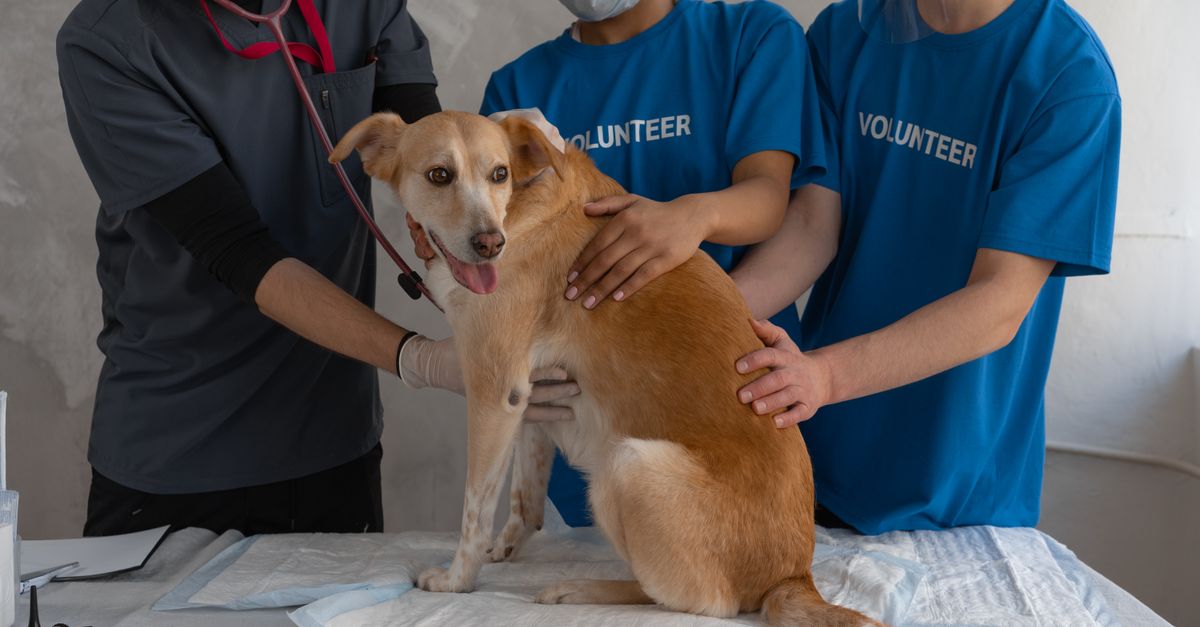
Preparing for a Virtual Veterinary Consultation

Gathering Medical History and Information
Before a virtual consultation, gather your pet’s medical history and information, including vaccination records, medical test results, and previous diagnoses or treatments. Be prepared to provide information about your pet’s symptoms, including when they started and how they’ve progressed. For more information on allergy testing for your pet, you can consult with a veterinarian through a pet telehealth platform.
Creating a Comfortable and Quiet Environment
During a virtual consultation, create a comfortable and quiet environment for your pet to reduce stress and anxiety. Choose a quiet room with minimal distractions and consider using calming aids like pheromone diffusers or treats. You can also learn more about anxiety solutions for your pet and how pet telehealth can help with this issue.

Common Health Issues Treated through Pet Telehealth

Skin Allergies and Infections
Pet telehealth services can treat skin allergies and infections, diagnosing and treating these conditions remotely. The veterinarian can provide guidance on medication, diet, and other treatment options. For example, if your pet is experiencing skin allergies, a veterinarian can provide advice on managing the condition and reducing symptoms.
Gastrointestinal Issues
Pet telehealth services can also treat gastrointestinal issues, such as diarrhea or vomiting. The veterinarian can provide guidance on dietary changes, medication, and other treatment options, helping to resolve the issue and prevent future occurrences. You can also learn more about parasite control for your pet and how pet telehealth can help with this process.

Limitations and Risks of Pet Telehealth

Potential Drawbacks and Limitations
While pet telehealth services are convenient and affordable, there are potential drawbacks and limitations. Some health issues may require in-person care, such as surgical procedures or hands-on examinations. Pet telehealth services may not be suitable for emergency situations, such as accidents or severe illnesses. You can learn more about emergency preparedness for your pet and how pet telehealth can help with this process.
Ensuring Continuity of Care
To ensure continuity of care, facilitate communication and collaboration between pet telehealth providers and primary care veterinarians. This includes sharing medical records, test results, and treatment plans, as well as coordinating care and follow-up appointments. By working together, you can provide your pet with the best care, both remotely and in-person. For more information on cardiac care for your pet, you can consult with a veterinarian through a pet telehealth platform.
When choosing a pet telehealth platform, research and evaluate the credentials of the providers and the services offered to ensure the best possible care for your pet.

Frequently Asked Questions
Frequently asked questions about pet telehealth services can help you understand the benefits and limitations of these services. Below, we’ve answered some common questions about pet telehealth.
What types of health issues can be treated through pet telehealth services?
Pet telehealth services can treat various health issues, including skin allergies, gastrointestinal issues, and respiratory problems. However, some health issues may require in-person care, such as surgical procedures or hands-on examinations.
How do I know if a pet telehealth platform is accredited and certified?
Look for platforms accredited by reputable organizations, such as the American Animal Hospital Association (AAHA), and that have certified veterinarians on staff. You can also check online reviews and ask for referrals from friends or family members who have used pet telehealth services.
Can I use pet telehealth services for emergency situations, such as accidents or severe illnesses?
No, pet telehealth services are not suitable for emergency situations, such as accidents or severe illnesses. In these situations, seek immediate in-person care from a veterinarian or an emergency animal hospital.
Pet telehealth services can be a convenient and affordable option for many pet owners, but it’s essential to understand the benefits and limitations and choose the right platform for your pet’s needs. By doing your research and working with a reputable pet telehealth provider, you can provide your pet with the best care, both remotely and in-person. To always prioritize your pet’s health and consult with a veterinarian if you have concerns or questions about your pet’s health.