
Mastering Pet Foot Pad Care for Healthy Paws
Regular pet foot pad care is necessary for maintaining your pet’s overall health and preventing common problems such as cracks, cuts, and infections. Many pet owners overlook the importance of foot pad care, which can lead to painful and potentially serious conditions. Proper pet foot pad care involves regularly cleaning and inspecting your pet’s paws, as well as taking measures to protect them from harsh surfaces, extreme temperatures, and other potential hazards.
For example, if you live in an area with hot summers, you may need to take extra precautions to prevent your pet’s paws from burning on hot surfaces, such as using booties or applying a paw balm to protect their skin. You can learn more about protecting your pet from extreme temperatures in our article on Mastering Pet Cold Weather Safety.
Regular pet foot pad care can help prevent a range of common problems and ensure your pet stays healthy. Whether you have a dog or a cat, regular foot pad care is necessary for maintaining their overall health. For more information on maintaining your pet’s overall health, check out our article on Mastering Pet Senior Care Essentials.
Introduction to Pet Foot Pad Care
Why Foot Pad Care is Important for Pet Health
Foot pad care is necessary for preventing common problems such as cracks, cuts, and infections, which can be painful and potentially serious for your pet. Regular cleaning and inspection of your pet’s paws can help identify potential issues early on, allowing you to take proactive steps to prevent them. You can learn more about identifying and preventing common health issues in our article on Mastering Pet Allergy Testing at Home.
Common foot pad problems in dogs and cats include cracks, cuts, and infections, which can be caused by a range of factors such as dry skin, rough surfaces, and bacterial or fungal infections. By understanding the causes and symptoms of these problems, you can take steps to prevent them and keep your pet’s paws healthy.
Regular foot pad cleaning can help prevent these problems by removing dirt, debris, and bacteria from your pet’s paws. You can use a gentle cleaner and warm water to clean your pet’s paws, being careful not to irritate their skin or cause discomfort.
Benefits of Regular Foot Pad Cleaning
Regular foot pad cleaning can help prevent a range of common problems, including cracks, cuts, and infections. By removing dirt, debris, and bacteria from your pet’s paws, you can help keep their skin healthy and prevent potential issues. You can also use a paw balm or other topical treatment to help moisturize and protect your pet’s skin.
Regular foot pad cleaning can also help identify potential issues early on. By inspecting your pet’s paws regularly, you can catch potential problems before they become serious, allowing you to take proactive steps to prevent them.
For pets with specific health conditions, such as arthritis or diabetes, regular foot pad care is especially important. You can learn more about caring for pets with these conditions in our articles on Mastering Pet Arthritis Care Naturally and Mastering Pet Diabetes Care at Home.
Common Foot Pad Problems in Dogs and Cats
Cracks and Cuts
Cracks and cuts are common foot pad problems in dogs and cats, which can be caused by a range of factors such as dry skin, rough surfaces, and accidental injuries. These problems can be painful and potentially serious for your pet, so it’s essential to take steps to prevent them. You can use a paw balm or other topical treatment to help moisturize and protect your pet’s skin.
Treating cracks and cuts involves cleaning and dressing the affected area, as well as taking steps to prevent infection. You can use a gentle cleaner and warm water to clean the area, and apply a topical antibiotic ointment to help prevent infection.
Preventing cracks and cuts involves taking steps to protect your pet’s paws from harsh surfaces and potential hazards. You can use booties or apply a paw balm to protect your pet’s skin, and avoid walking your pet on hot or rough surfaces.
Infections and Abscesses
Infections and abscesses are common foot pad problems in dogs and cats, which can be caused by a range of factors such as bacterial or fungal infections. These problems can be painful and potentially serious for your pet, so it’s essential to take steps to prevent them. You can learn more about preventing infections in our article on Mastering Pet Parasite Control Naturally.
Treating infections and abscesses involves seeking veterinary care and following a treatment plan. Your veterinarian may prescribe antibiotics or other medications to help clear up the infection, and may also recommend other treatments such as warm compresses or surgery.
Preventing infections and abscesses involves taking steps to protect your pet’s paws from potential hazards and keeping their skin healthy. You can use a paw balm or other topical treatment to help moisturize and protect your pet’s skin, and avoid walking your pet on dirty or contaminated surfaces.
Protecting Pet Foot Pads
Paw Balm and Other Protective Products
Paw balm and other protective products can help protect your pet’s foot pads from harsh surfaces and potential hazards. These products can help moisturize and protect your pet’s skin, reducing the risk of cracks, cuts, and infections. When choosing a paw balm or other protective product, look for a product that is specifically designed for pets and contains natural ingredients.
Avoid products that contain harsh chemicals or artificial fragrances, which can irritate your pet’s skin and cause discomfort. For example, you can choose a paw balm that contains natural ingredients such as beeswax or coconut oil.
Applying a paw balm or other protective product can help protect your pet’s foot pads and keep their skin healthy. You can apply the product regularly, such as after walks or before bed, to help keep your pet’s paws protected and moisturized.
Booties and Other Protective Gear
Booties and other protective gear can help protect your pet’s foot pads from harsh surfaces and potential hazards. These products can provide an extra layer of protection and comfort for your pet, reducing the risk of cracks, cuts, and infections. When choosing booties or other protective gear, look for a product that is specifically designed for pets and provides a comfortable and secure fit.
Avoid products that are too tight or constricting, which can cause discomfort and potentially harm your pet. For example, you can choose booties that have a breathable mesh material and a secure velcro strap.
Using booties or other protective gear can help protect your pet’s foot pads and keep their skin healthy. You can use these products regularly, such as during walks or when walking on hot or rough surfaces, to help keep your pet’s paws protected and comfortable.
Foot Pad Emergencies
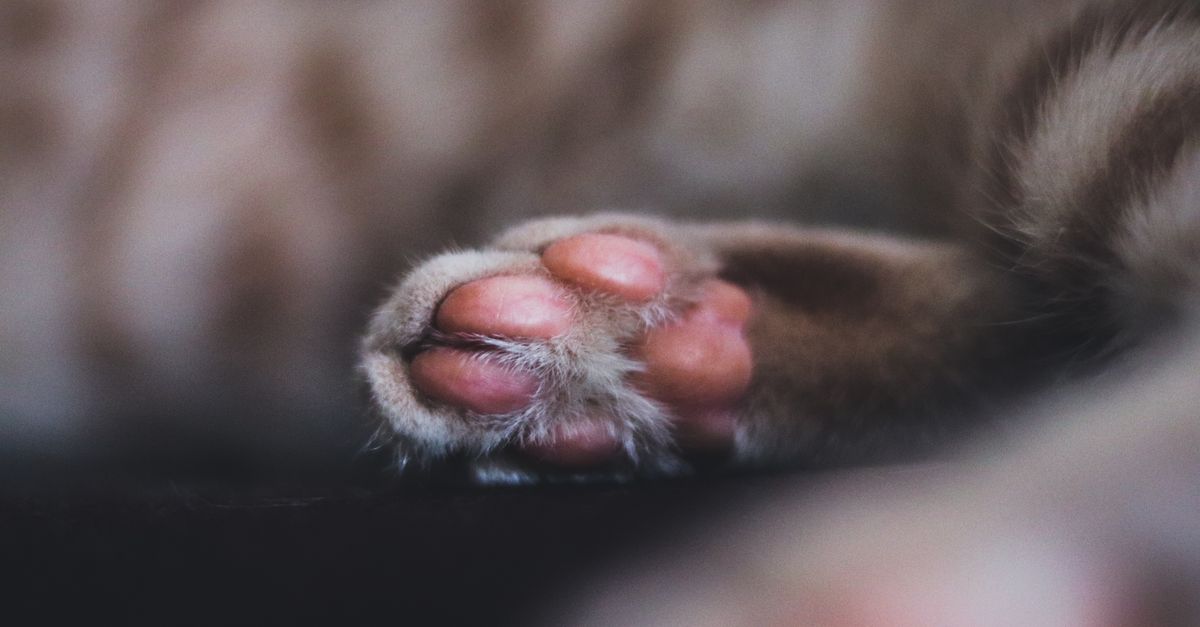
Identifying and Responding to Foot Pad Emergencies
Foot pad emergencies, such as severe cuts or burns, require immediate attention and care. If you notice any signs of a foot pad emergency, such as bleeding, swelling, or limping, seek veterinary care immediately. You can learn more about responding to emergencies in our article on Mastering Pet Home Preparedness.
When responding to a foot pad emergency, it’s essential to remain calm and provide gentle and careful care. You can clean the affected area with a gentle cleaner and warm water, and apply a topical antibiotic ointment to help prevent infection.
Preventing foot pad emergencies involves taking steps to protect your pet’s paws from potential hazards and keeping their skin healthy. You can use a paw balm or other topical treatment to help moisturize and protect your pet’s skin, and avoid walking your pet on hot or rough surfaces.
Prevention and Preparation
Preventing foot pad emergencies involves taking steps to protect your pet’s paws from potential hazards and keeping their skin healthy. You can use a paw balm or other topical treatment to help moisturize and protect your pet’s skin, and avoid walking your pet on hot or rough surfaces.
Having a pet first aid kit on hand can help you respond to foot pad emergencies and provide gentle and careful care. You can include items such as a gentle cleaner, topical antibiotic ointment, and gauze pads in your kit, and keep it easily accessible in case of an emergency.
By taking proactive steps to protect your pet’s foot pads and prevent emergencies, you can help keep your pet safe and healthy. To always consult with a veterinarian before using any new products or treatments on your pet’s foot pads.
Pro tip: Always consult with a veterinarian before using any new products or treatments on your pet’s foot pads, as some products can be toxic or cause allergic reactions.
Frequently Asked Questions
Frequently asked questions about pet foot pad care can help provide valuable insights and advice for pet owners. Below, we answer some of the most common questions about pet foot pad care.
How often should I clean my pet’s foot pads?
Cleaning your pet’s foot pads regularly can help prevent common problems such as cracks, cuts, and infections. You can clean your pet’s foot pads daily, or as needed, using a gentle cleaner and warm water.
What are some common mistakes to avoid when caring for my pet’s foot pads?
Common mistakes to avoid when caring for your pet’s foot pads include using harsh chemicals or abrasive cleaners, which can irritate your pet’s skin and cause discomfort. You should also avoid walking your pet on hot or rough surfaces, which can cause cracks, cuts, and infections.
How can I prevent my pet from licking or chewing their foot pads?
Preventing your pet from licking or chewing their foot pads can help reduce the risk of infection and promote healing. You can use a bitter-tasting spray or other deterrent to discourage your pet from licking or chewing their foot pads, and provide plenty of toys and chews to keep them occupied.
By following these tips and taking proactive steps to care for your pet’s foot pads, you can help keep your pet safe and healthy. To always consult with a veterinarian if you have any concerns or questions about your pet’s foot pad care. Regular pet foot pad care is necessary for maintaining your pet’s overall health and preventing common problems.