
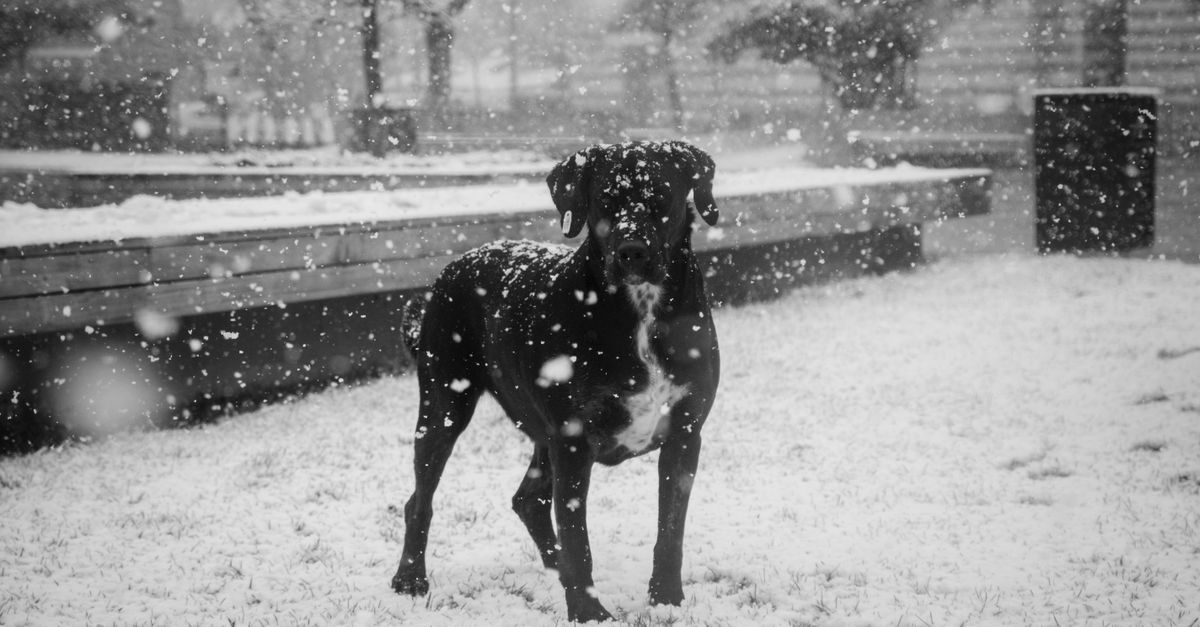
Mastering Pet Cold Weather Safety
As the temperature drops, pet cold weather safety becomes a top concern for many pet owners. According to the American Animal Hospital Association, thousands of pets are affected by cold-related injuries every year. To prevent your pet from becoming a statistic, it’s necessary to take proactive steps to ensure their safety during the winter months.
One of the most significant risks associated with pet cold weather is hypothermia. This condition occurs when your pet’s body temperature drops below 95°F, causing their metabolism to slow down. If left untreated, hypothermia can be life-threatening.
To prevent hypothermia, provide your pet with a warm and safe shelter, as well as adequate nutrition and hydration. For more information on creating a comfortable environment for your pet, check out our article on Mastering Pet Home Preparedness.
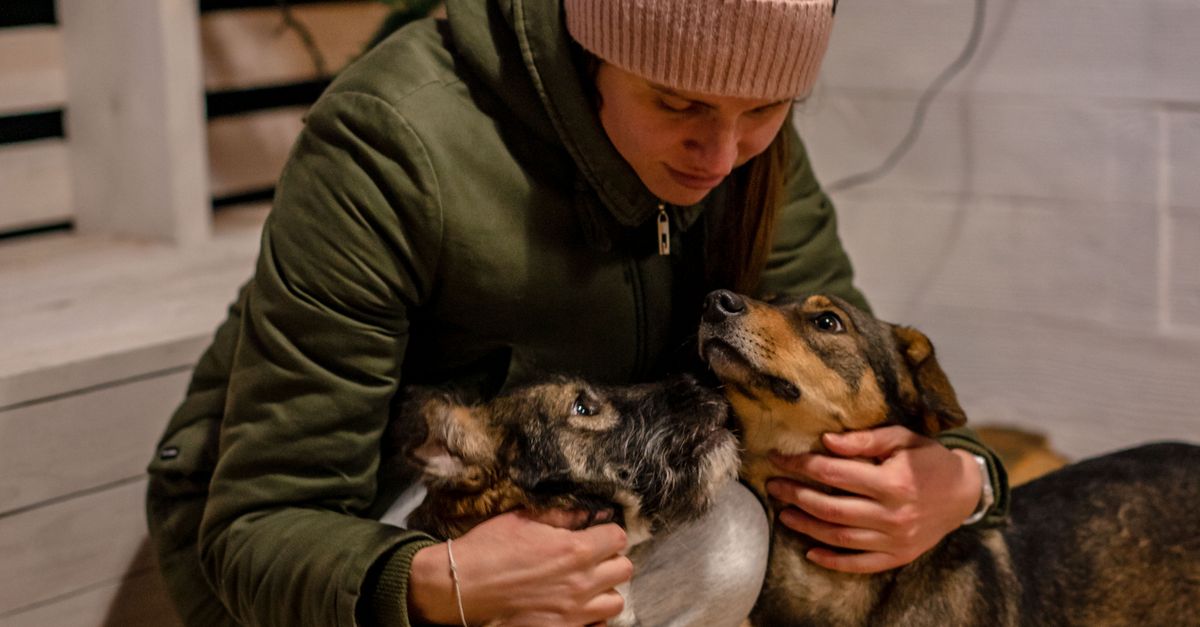
Preparing Your Pet for Cold Weather
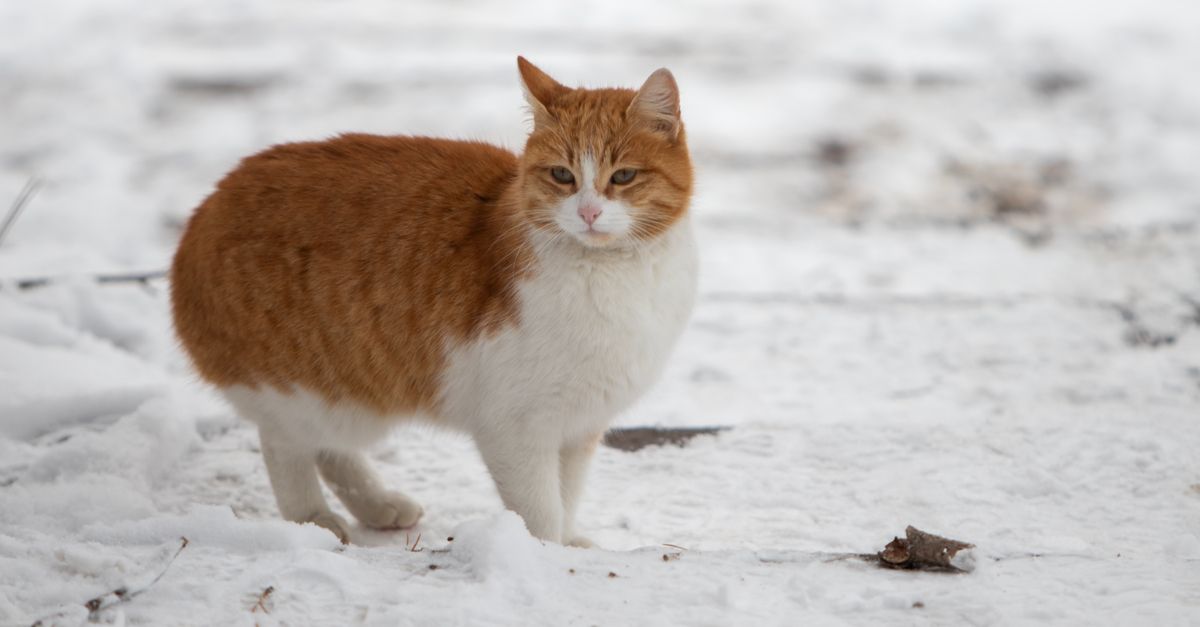
Recognizing the Signs of Hypothermia and Frostbite
Recognizing the signs of hypothermia and frostbite in pets is crucial to providing them with timely medical attention. Signs of hypothermia in pets include shivering and lethargy, while signs of frostbite include pale or gray skin.
If you suspect your pet has hypothermia or frostbite, seek veterinary care immediately. For more information on treating hypothermia and frostbite in pets, check out our article on Mastering Pet Wound Care at Home.

Keeping Your Pet Warm and Safe During Outdoor Activities
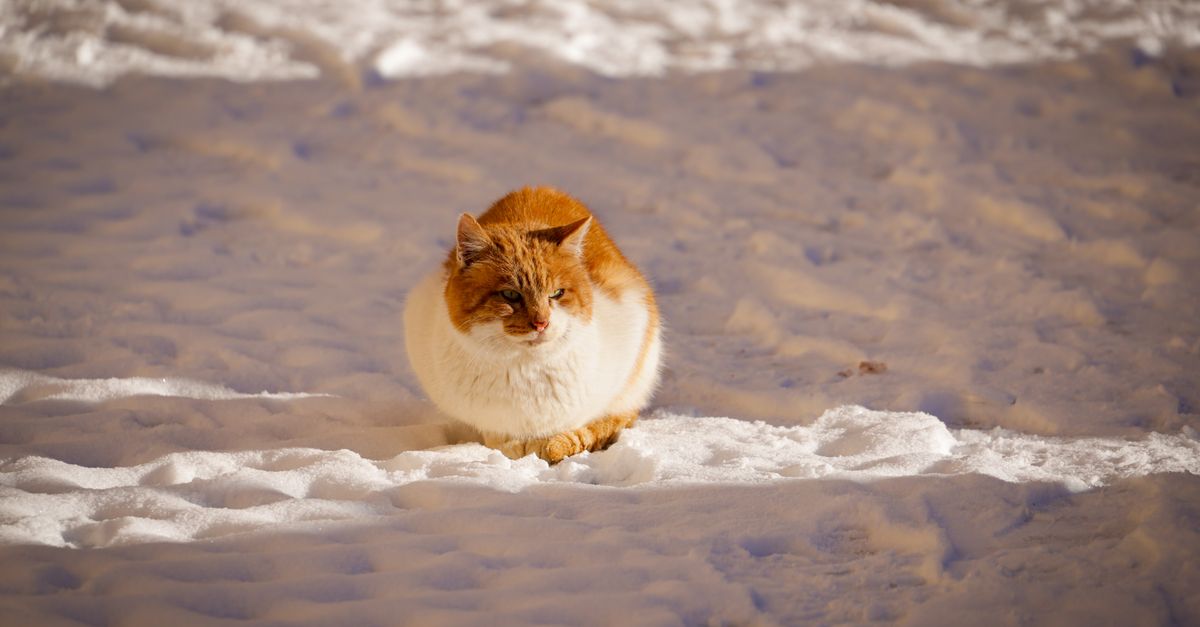
Dressing Your Pet for Cold Weather
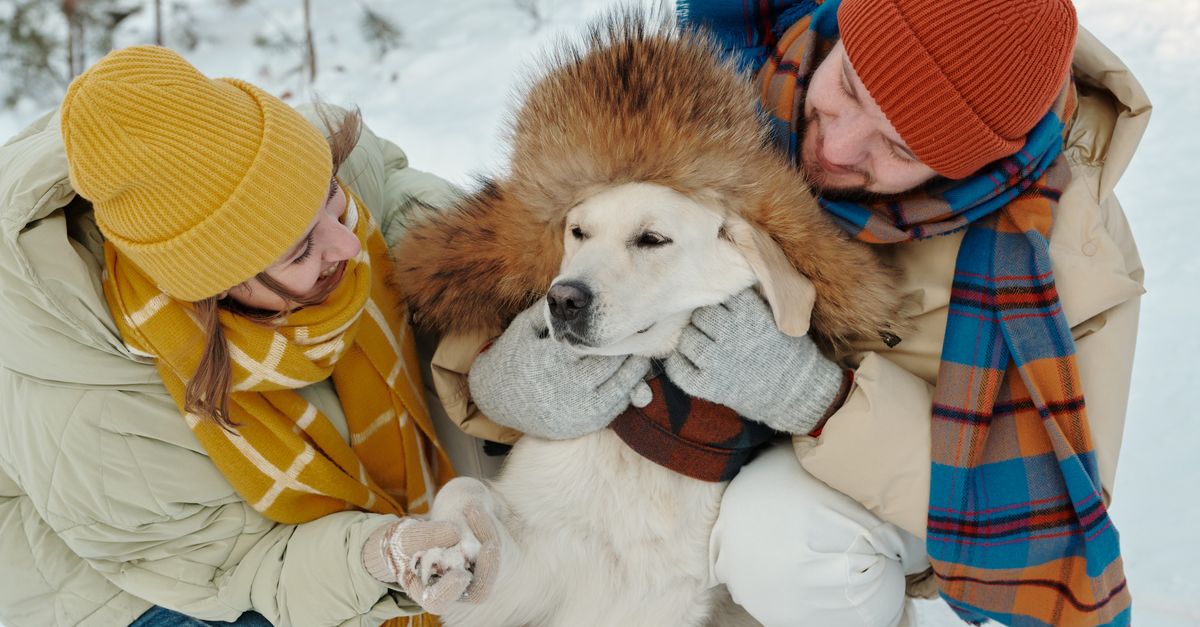
Dressing your pet for cold weather is essential to keeping them warm and safe. There are various types of clothing available for pets, including coats and boots.
When choosing clothing for your pet, consider their size, breed, and individual needs. For more information on dressing your pet for cold weather, check out our article on Mastering Pet Grooming Tools for Healthy Coats.
Providing Adequate Nutrition and Hydration for Your Pet
Feeding Your Pet in Cold Weather
Providing adequate nutrition and hydration for your pet is essential during the winter months. In cold weather, your pet’s metabolism may slow down, requiring more calories to stay warm.
Keep your pet hydrated by providing plenty of fresh water, and consider using a heated water bowl to prevent the water from freezing. For more information on feeding your pet in cold weather, check out our article on Mastering Pet Nutrition Planning.
Creating a Warm and Safe Shelter for Your Pet
Insulating Your Pet’s Shelter
Creating a warm and safe shelter for your pet is essential to keeping them protected from the elements. Use straw or blankets to insulate your pet’s shelter, and make sure it’s draft-free and dry.
Provide a warm and cozy bed for your pet by using a heated bed or a thermal bed. For more information on providing a warm and cozy bed for your pet, check out our article on Mastering Pet Paw Care: Healthy Paws for Happy Pets.
Cold-Weather Hazards to Watch Out For
Ice and Antifreeze
There are several cold-weather hazards to watch out for, including ice and antifreeze. Ice can be slippery and cause your pet to fall, while antifreeze can be toxic if ingested.
Keep your pet away from icy areas, and consider using pet-safe ice melt to prevent slipping. For more information on protecting your pet from cold-weather hazards, check out our article on Pet Sun Protection: Safe Outdoor Fun.
Pro tip: Always check the temperature and weather forecast before taking your pet outside, and adjust your plans accordingly.
Frequently Asked Questions
As a pet owner, it’s natural to have questions about keeping your pet safe and healthy during the winter months. Here are some frequently asked questions and answers to help you keep your pet protected.
How can I keep my pet warm and safe during power outages?
During power outages, keep your pet warm and safe by using alternative heat sources such as a fireplace or portable heater, and provide plenty of blankets and warm water for your pet. For more information on keeping your pet safe during power outages, check out our article on Pet Fire Safety: Protecting Your Home and Pets.
What are the signs of cold stress in pets, and how can I treat it?
Cold stress in pets can occur when they are exposed to cold temperatures for an extended period. Signs of cold stress include shivering, lethargy, and confusion. If you suspect your pet has cold stress, seek veterinary care immediately.
How can I protect my pet from cold-weather hazards, such as ice and antifreeze?
Protect your pet from cold-weather hazards by keeping them away from icy areas, and consider using pet-safe ice melt to prevent slipping. Keep antifreeze and other toxic substances out of reach of your pet, and consider using pet-safe antifreeze alternatives.
By following these tips and being aware of the potential hazards, you can help your pet stay warm, safe, and healthy during the winter months. To always prioritize your pet’s safety and seek veterinary care if you suspect they have been affected by cold weather. With the right care and attention, your pet can stay safe and healthy even in the coldest of temperatures.