

Mastering Pet Separation Anxiety Solutions
Pet separation anxiety affects approximately 15% of dogs and cats, causing distress for both pets and their owners. Pet separation anxiety can lead to destructive behavior, excessive barking or meowing, and even self-soothing habits like pacing or licking. To address this issue, it’s necessary to understand the signs and symptoms of pet separation anxiety and develop effective solutions to reduce your pet’s stress and anxiety.
Pets that suffer from separation anxiety can exhibit a range of behaviors, including destructive chewing, digging, or scratching. In some cases, pets may even attempt to escape or become aggressive when left alone. Identifying the underlying causes of your pet’s separation anxiety is crucial to developing a tailored plan to address their specific needs.
Establishing a consistent routine and providing plenty of exercise and mental stimulation can help reduce pet separation anxiety. For example, you can try engaging your pet in playtime activities or providing puzzle toys filled with treats. Calming aids like pheromone diffusers or calming music can also create a relaxing environment for your pet. For more information on creating a calm and comfortable environment for your pet, you can visit our article on Mastering Pet Travel Crates for Safe Journeys.
Understanding Pet Separation Anxiety
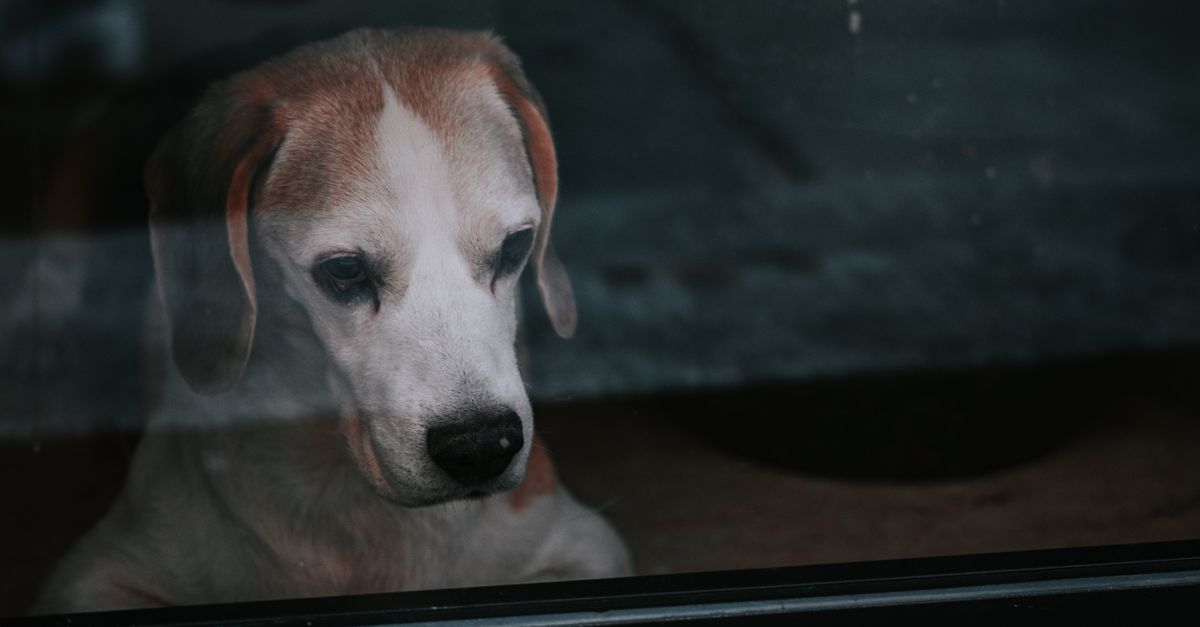
Signs and Symptoms of Pet Separation Anxiety
Common behaviors exhibited by pets with separation anxiety include excessive barking or meowing, destructive chewing or digging, and pacing or restlessness. Physical signs of stress and anxiety in pets may include panting, yawning, or rapid heart rate. These behaviors can indicate separation anxiety when you’re preparing to leave the house or when you’re away.
If your pet starts to exhibit destructive behavior or becomes excessively vocal when you’re getting ready to leave, it may be a sign of separation anxiety. Consulting with a veterinarian or a professional dog trainer can help develop a plan to address your pet’s specific needs. You can also visit our article on Mastering Pet Noise Phobia Treatment for more information on addressing noise-related anxiety in pets.
Genetic predisposition and breed-specific traits can contribute to pet separation anxiety. For example, some breeds like German Shepherds and Australian Shepherds are more prone to separation anxiety due to their high energy levels and strong attachment to their owners.
Causes of Pet Separation Anxiety
Environmental factors and lifestyle changes can contribute to pet separation anxiety. For instance, if you’ve recently changed your work schedule or moved to a new home, your pet may experience anxiety due to the change in routine. Keeping a journal or consulting with a veterinarian can help identify potential triggers.
Understanding the underlying causes of your pet’s separation anxiety allows you to develop a tailored plan to address their specific needs. If your pet is experiencing anxiety due to a change in routine, establishing a consistent daily schedule and providing plenty of exercise and mental stimulation can help. You can also visit our article on Mastering Pet Home Preparedness for more information on creating a safe and comfortable environment for your pet.
Effective Solutions for Pet Separation Anxiety
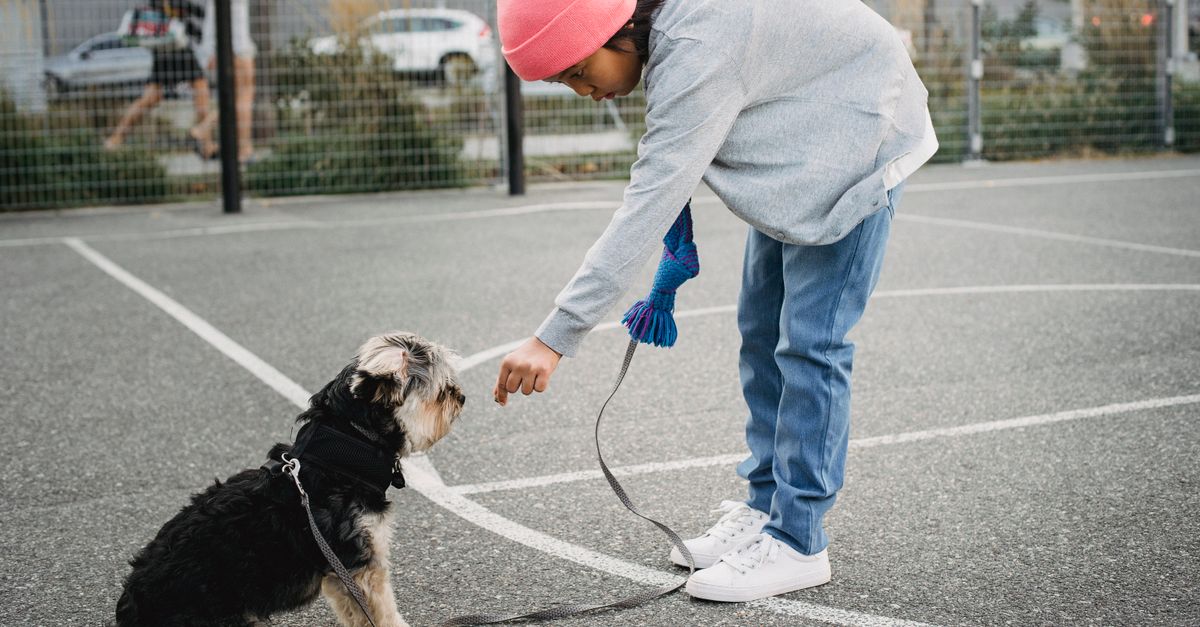
Training Techniques for Reducing Separation Anxiety
Positive reinforcement training methods can help reduce pet separation anxiety. Rewarding your pet with treats or praise when they exhibit calm behavior is an effective approach. Desensitization and counterconditioning techniques can also help your pet associate your departure with positive outcomes.
Creating a training plan tailored to your pet’s specific needs and personality is essential. If your pet is highly energetic, incorporating more exercise and playtime into their daily routine can help. You can also visit our article on Mastering Pet Grooming Tools for Healthy Coats for more information on providing mental stimulation and reducing stress in pets.
A comparison of different training methods for reducing pet separation anxiety is as follows:
| Training Method | Description | Effectiveness |
|---|---|---|
| Positive Reinforcement | Rewarding calm behavior with treats or praise | Highly effective for reducing separation anxiety |
| Desensitization and Counterconditioning | Associating departure with positive outcomes | Effective for reducing separation anxiety in pets |
| Exercise and Playtime | Providing physical and mental stimulation | Effective for reducing stress and anxiety in pets |
Products and Tools for Reducing Separation Anxiety
Calming aids like pheromone diffusers and calming music can help reduce pet separation anxiety. Interactive toys and puzzle toys can provide mental stimulation and reduce stress in pets. When choosing products, consider your pet’s specific needs and personality.
Using a treat-filled toy or a calming aid like a pheromone diffuser can help your pet relax. You can also visit our article on Pet Anxiety Solutions: Calming Your Dog for more information on reducing anxiety in pets. Additionally, products like calming collars or anxiety vests can provide extra support for your pet.
Creating a Safe and Comfortable Environment
Setting Up a Pet-Friendly Space
Creating a calm and comfortable area for your pet can help reduce separation anxiety. Tips for reducing noise and stress triggers include using white noise machines or calming music, and blocking access to areas that may trigger anxiety. Pheromone diffusers or calming aids can create a relaxing environment for your pet.
Setting up a quiet room or area in your home with minimal noise and distractions can help. Using a crate or a pet bed can provide a sense of security and comfort for your pet. You can also visit our article on Create a Pet-Friendly Yard with DIY Landscaping Ideas for more information on creating a safe and comfortable outdoor space for your pet.
When setting up a pet-friendly space, consider your pet’s specific needs and personality. If your pet is highly energetic, provide more space and exercise opportunities. Products like pet tunnels or playpens can provide extra stimulation and exercise for your pet.
Leaving Your Pet Alone: Tips and Precautions
Preparing your pet for extended periods of alone time can help reduce separation anxiety. Establishing a consistent routine, providing plenty of exercise and mental stimulation, and leaving a treat-filled toy or calming aid can help. A pet camera or a smart feeder can also monitor and interact with your pet remotely.
Leaving a treat-filled toy or a calming aid like a pheromone diffuser can help your pet relax. Using a crate or a pet bed can provide a sense of security and comfort for your pet. You can also visit our article on Mastering Pet Tunnel Systems for Fun and Exercise for more information on providing exercise and mental stimulation for your pet.
Leaving pets alone for extended periods without proper training and care can lead to increased stress and anxiety, resulting in destructive behavior or self-soothing habits. Establishing a consistent routine and providing plenty of exercise and mental stimulation can help prevent these behaviors.
Pro Tip and Warning
Creating a calming pre-departure routine can help reduce your pet’s stress and anxiety. Try engaging your pet in a relaxing activity, such as a short walk or playtime, before leaving the house. You can also use a pheromone diffuser or calming music to create a relaxing environment for your pet.
Ignoring pet separation anxiety can lead to more severe behavioral problems, such as destructive behavior or aggression. Addressing separation anxiety promptly and seeking professional help if necessary is essential. You can also visit our article on Mastering Pet Arthritis Care Naturally for more information on addressing pain and discomfort in pets, which can contribute to separation anxiety.
Frequently Asked Questions
Frequently asked questions about pet separation anxiety include how long it takes to overcome the condition and whether medication can be used to treat it. The following questions and answers provide more information on addressing pet separation anxiety.
How long does it take to overcome pet separation anxiety?
The time it takes to overcome pet separation anxiety depends on the severity of the condition and the effectiveness of the treatment plan. With consistent training and positive reinforcement, pets can start to show improvement in as little as a few weeks. However, overcoming separation anxiety can take time and effort.
Can I use medication to treat my pet’s separation anxiety?
Medication can be used to treat pet separation anxiety under the guidance of a veterinarian. Medication can help reduce your pet’s stress and anxiety, but addressing the underlying causes of the condition and developing a comprehensive treatment plan is essential. You can also visit our article on Mastering Pet Medication Management for more information on using medication safely and effectively.
How can I prevent my pet from developing separation anxiety in the first place?
Preventing pet separation anxiety requires establishing a strong bond with your pet and providing plenty of exercise, mental stimulation, and socialization. Using positive reinforcement training methods and desensitization techniques can help your pet become confident and calm in your absence. You can also visit our article on Mastering Pet Socialization for more information on socializing your pet and reducing the risk of separation anxiety.
By following these tips and seeking professional help when necessary, you can help your pet overcome separation anxiety and live a happy, healthy life. To always prioritize your pet’s safety and well-being, and don’t hesitate to reach out for support if you’re concerned about their mental health. With patience and the right guidance, you can help your pet reduce the risk of separation anxiety.