

Mastering Pet Phobias with Desensitization
About 40% of pets experience some form of anxiety or pet phobias treatment, which can be distressing for both the pet and the owner. One effective method for addressing pet phobias is desensitization, a process that involves gradually exposing the pet to the feared stimulus in a controlled and safe environment. By using desensitization techniques, owners can help their pets overcome phobias and live a more comfortable life.
Desensitization is a powerful tool for addressing pet phobias treatment, and it can be used to treat a range of phobias, from fear of loud noises to social anxiety. The key to successful desensitization is to start with small, manageable steps and gradually increase the intensity of the stimulus over time. This approach helps the pet become comfortable with the feared stimulus and reduces the associated anxiety.
Before beginning a desensitization program, it’s necessary to identify the underlying phobia and its triggers. This can involve observing the pet’s behavior, consulting with a veterinarian or animal behaviorist, and keeping a journal to track the pet’s reactions to different stimuli. By understanding the root cause of the phobia, owners can develop an effective desensitization plan that addresses the specific needs of their pet.
Understanding Pet Phobias
Common Types of Pet Phobias
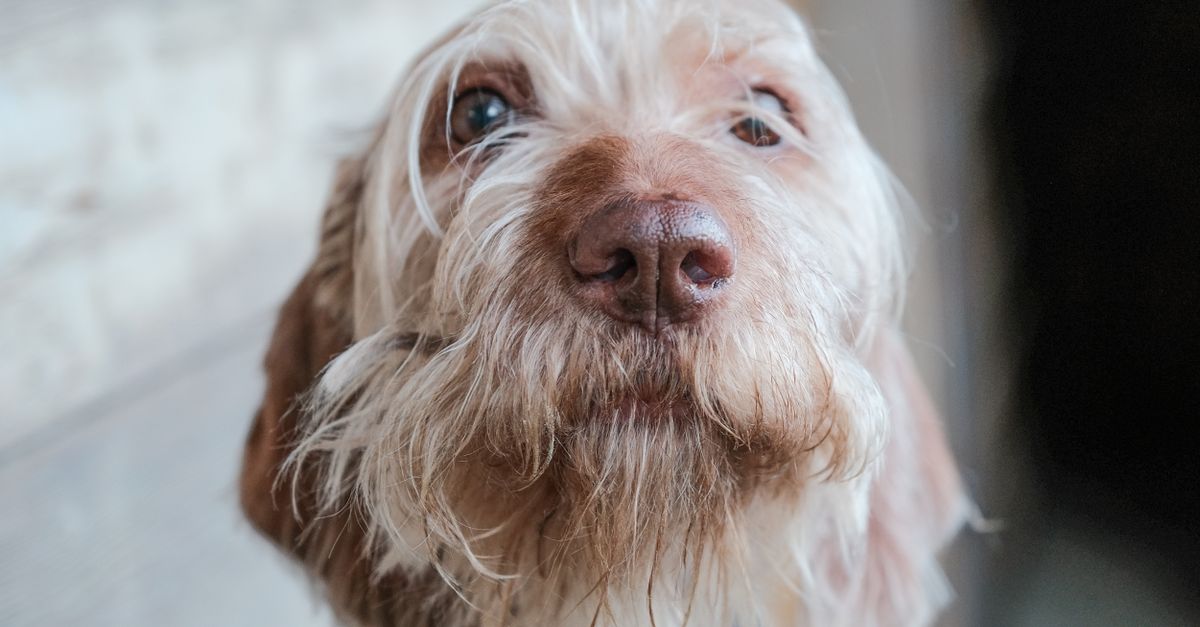
Pets can develop phobias to a range of stimuli, including fireworks, loud noises, and social situations. Fireworks phobias are common, particularly during holidays like the 4th of July. Loud noise phobias can be triggered by thunderstorms, construction, or other loud sounds. Social phobias can be more challenging to address, as they often involve complex interactions with people or other animals.
Identifying Pet Phobias
Identifying pet phobias involves observing behavioral and physical signs, as well as owner observations. Behavioral signs may include panting, pacing, or hiding, while physical signs can include a rapid heart rate, sweating, or trembling. Owners can also keep a journal to track their pet’s reactions to different stimuli, which can help identify patterns and triggers.
Desensitization Techniques for Pet Phobias
Gradual Exposure
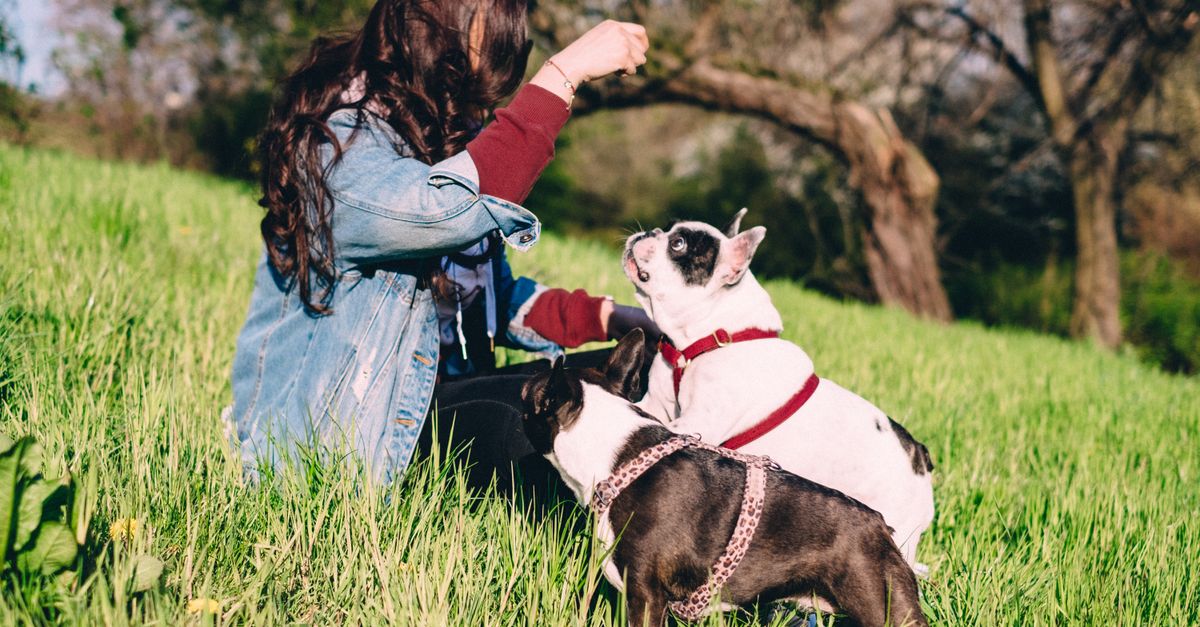
Gradual exposure is a key component of desensitization, involving the gradual introduction of the feared stimulus in a controlled environment. This can be achieved by creating a safe space for the pet, introducing the stimulus at a low level, and rewarding calm behavior. For example, if a pet is afraid of fireworks, the owner can start by playing a recording of fireworks at a low volume, then gradually increase the volume over time.
Counterconditioning
Counterconditioning involves pairing the feared stimulus with a positive association, such as a treat or toy. This can help the pet associate the stimulus with a positive outcome, rather than a negative one. For example, if a pet is afraid of strangers, the owner can introduce a stranger while providing treats and praise, helping the pet associate the stranger with a positive experience.
| Desensitization Technique | Description |
|---|---|
| Gradual Exposure | Gradually introducing the feared stimulus in a controlled environment |
| Counterconditioning | Pairing the feared stimulus with a positive association |
Implementing Desensitization Techniques
Creating a Desensitization Plan
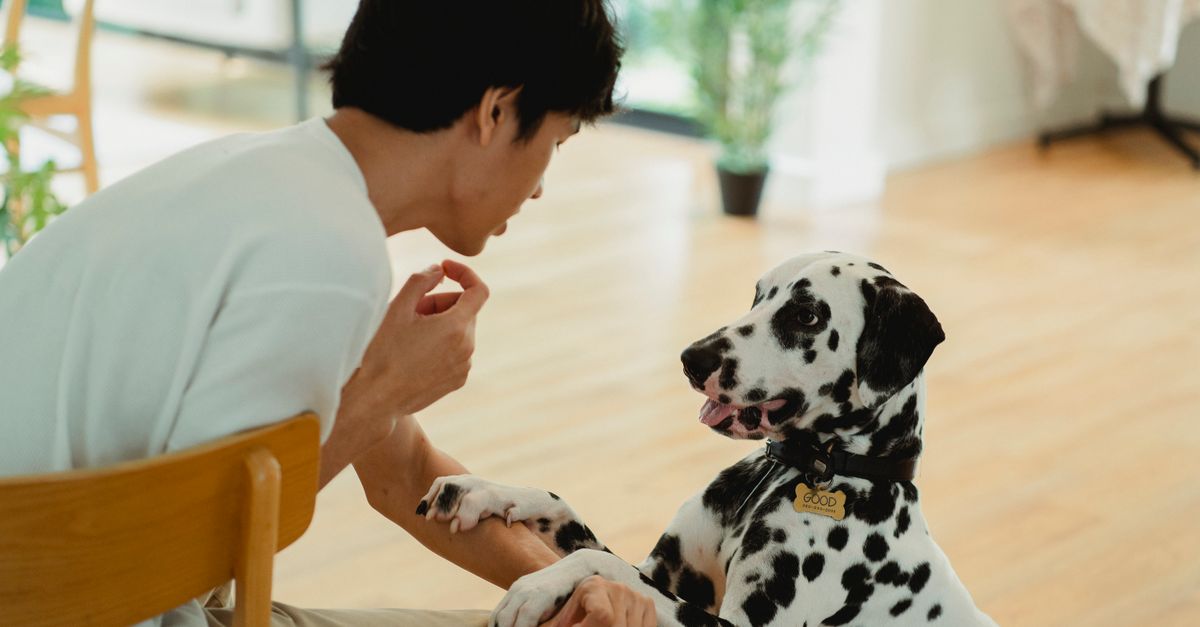
Creating a desensitization plan involves setting goals and timelines, tracking progress, and adjusting the plan as needed. Owners can work with a veterinarian or animal behaviorist to develop a customized plan that addresses the specific needs of their pet. It’s essential to be patient and consistent, as desensitization can be a slow process.
Overcoming Common Challenges
Common challenges when implementing desensitization techniques include dealing with setbacks, managing owner stress and anxiety, and seeking professional help when needed. Owners can overcome these challenges by staying calm and patient, seeking support from friends or family, and consulting with a professional if the phobia is severe or complex.
For pets with severe or complex phobias, owners may need to consider additional resources, such as pet telehealth or pet separation anxiety solutions. These resources can provide additional support and guidance for addressing the phobia and improving the pet’s quality of life.
Pro Tip and Warning

Pro tip: Be patient and consistent when implementing desensitization techniques, as progress may be slow but steady. Warning: Avoid pushing your pet too hard or fast, as this can exacerbate the phobia and create more problems.
Additionally, owners can benefit from learning about pet anxiety solutions and pet cold weather safety to ensure their pet’s overall well-being. By taking a comprehensive approach to pet care, owners can help their pets overcome phobias and live a more comfortable life.
Frequently Asked Questions
Desensitization is a powerful tool for addressing pet phobias, but it can be a complex and challenging process. Here are some frequently asked questions about desensitization and pet phobias treatment.
How long does desensitization take to work?
The length of time it takes for desensitization to work can vary depending on the individual pet and the severity of the phobia. Some pets may respond quickly to desensitization, while others may require more time and patience. Owners can track their pet’s progress and adjust the desensitization plan as needed to ensure the best possible outcome.
Can I use desensitization techniques for multiple phobias at once?
While it’s possible to use desensitization techniques for multiple phobias at once, it’s generally recommended to address one phobia at a time. This allows owners to focus on a single issue and develop a customized plan that addresses the specific needs of their pet. However, in some cases, owners may need to address multiple phobias simultaneously, such as when a pet has a severe fear of loud noises and strangers.
What if my pet’s phobia is severe or complex, and desensitization isn’t working?
If a pet’s phobia is severe or complex, and desensitization isn’t working, owners may need to consider additional resources, such as pet senior care or pet arthritis care. These resources can provide additional support and guidance for addressing the phobia and improving the pet’s quality of life. Owners can also consult with a veterinarian or animal behaviorist to develop a customized plan that addresses the specific needs of their pet.
By following these guidelines and seeking professional help when needed, owners can help their pets overcome phobias and live a more comfortable life. With patience, consistency, and the right approach, owners can address their pet’s pet phobias treatment and improve their overall well-being. For more information on pet care and health, visit our website and explore our range of articles and resources, including pet first aid kits and pet nail care.