
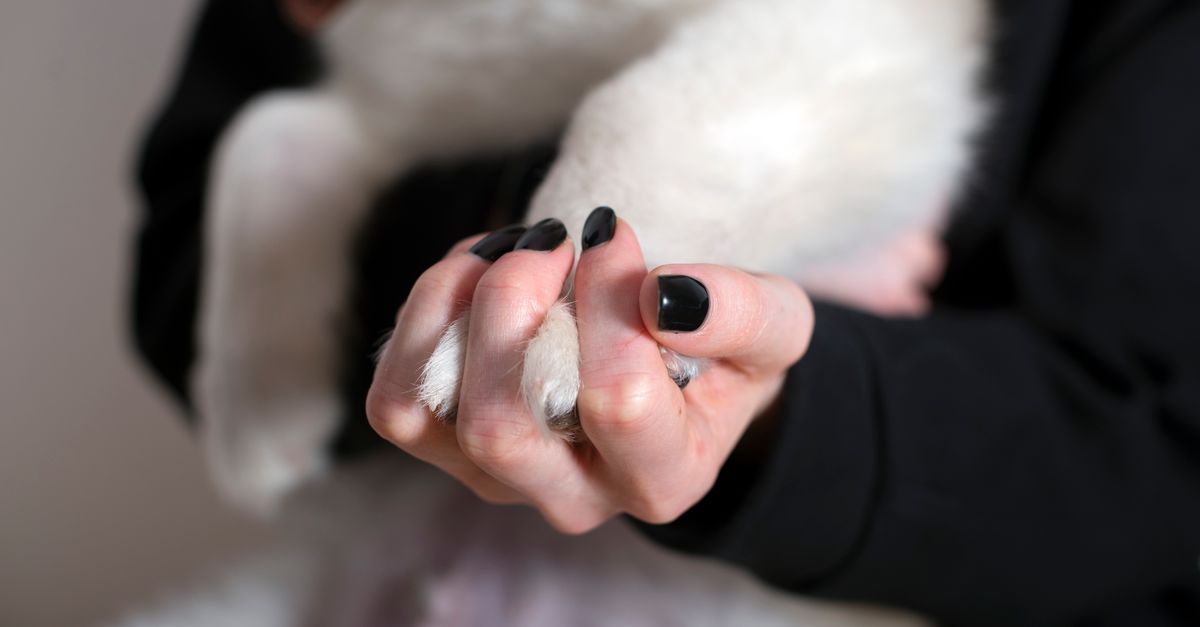
Mastering Pet Nail Care Safely
According to the American Animal Hospital Association, pet nail care is a part of maintaining your pet’s overall health, with over 50% of pets experiencing nail-related problems. Neglecting pet nail care can lead to pain, infection, and even arthritis. Regular nail trimming can help prevent these issues and keep your pet comfortable.
Long nails can cause discomfort and health problems for your pet, making regular trimming necessary. The frequency of nail trimming depends on your pet’s lifestyle and nail growth rate. For example, dogs that spend a lot of time outdoors may need more frequent nail trimming than those that stay indoors.
You can find more information on pet paw care and how to keep your pet’s paws healthy. Before trimming your pet’s nails, it’s necessary to choose the right nail clippers. There are different types of nail clippers available, including scissor-style, guillotine-style, and nail grinders.
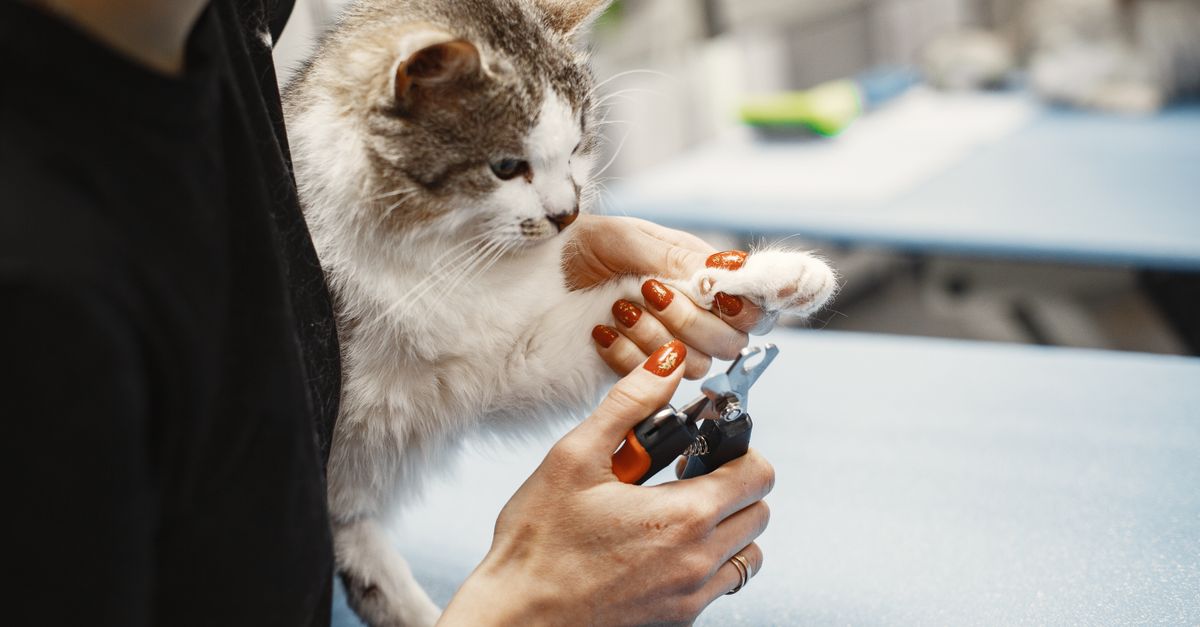
Introduction to Pet Nail Care
Why Pet Nail Care is Important
Pet nail care prevents pain and infection. Long nails can cause discomfort and lead to more severe health problems, such as arthritis. Regular nail trimming can help prevent these issues and keep your pet comfortable.
Neglecting pet nail care can lead to consequences such as nail cracking, splitting, or breaking. This can be painful for your pet and may require veterinary attention. You can find more information on pet wound care and how to manage wounds.
Choosing the Right Nail Clippers
When choosing nail clippers, consider your pet’s size, nail type, and personal preference. Scissor-style clippers are suitable for small to medium-sized pets, while guillotine-style clippers are better for larger pets. Nail grinders can be used to smooth out rough edges.
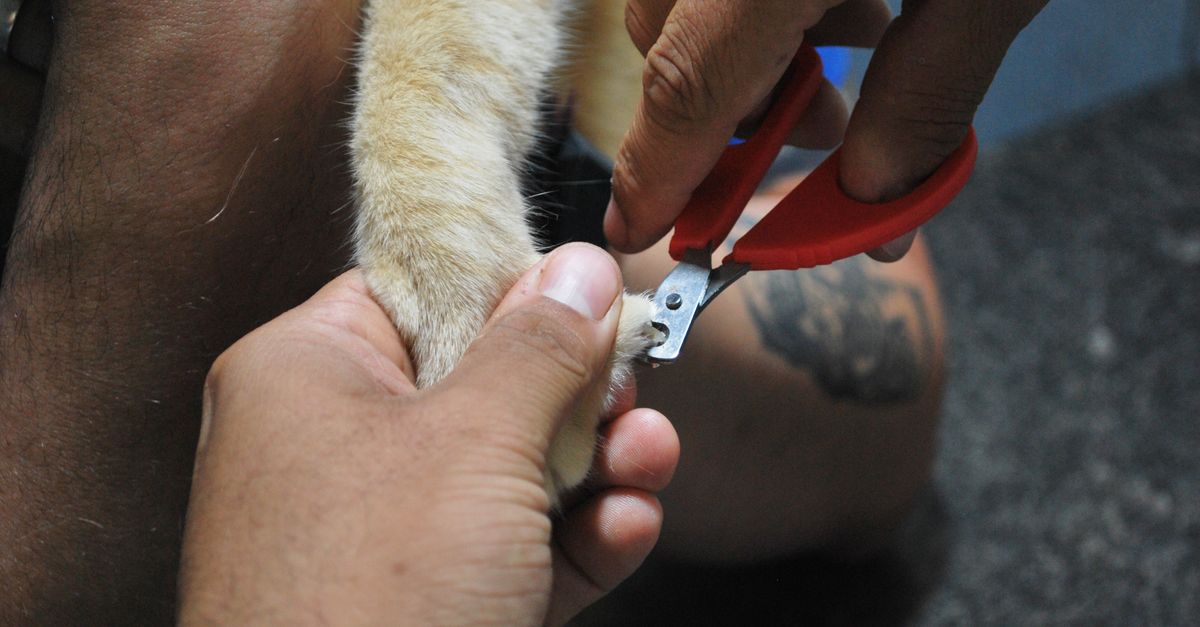
Step-by-Step Guide to Trimming Pet Nails
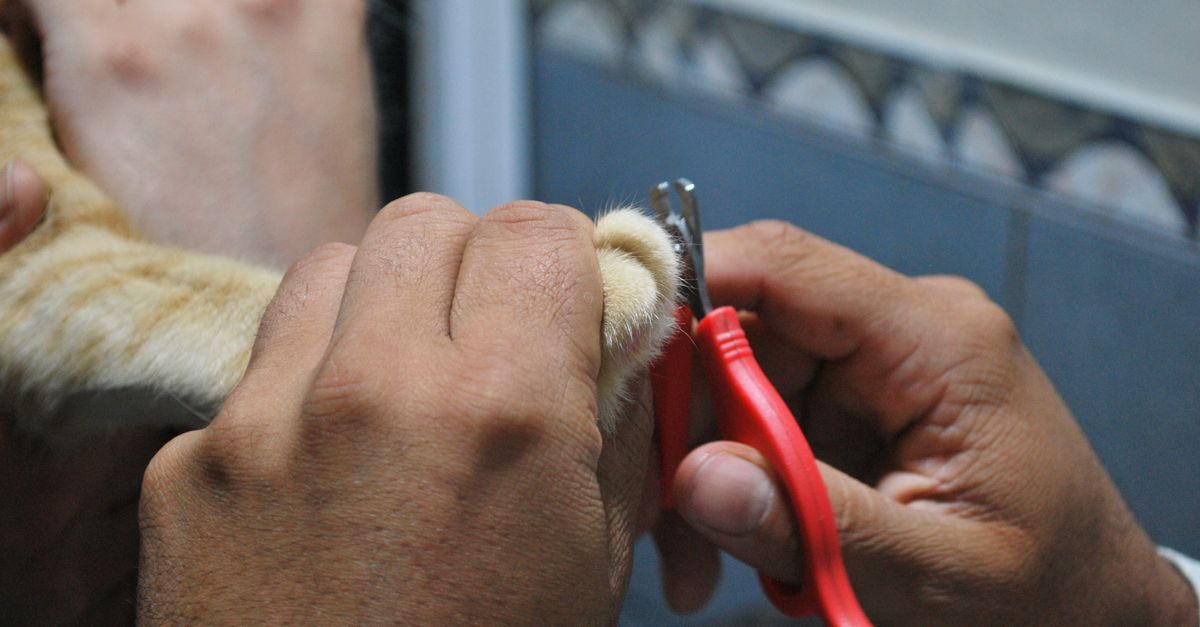
Preparing for Nail Trimming
Before trimming your pet’s nails, make sure you have the right equipment and a comfortable and quiet space. It’s also necessary to have a first aid kit on hand in case of any accidents. You can find more information on pet emergency kits and how to prepare for emergencies.
Calming and restraining your pet is crucial during nail trimming. You can use treats, toys, or calming aids to help your pet relax. For more information on pet anxiety solutions, you can visit our website.
Trimming the Nails
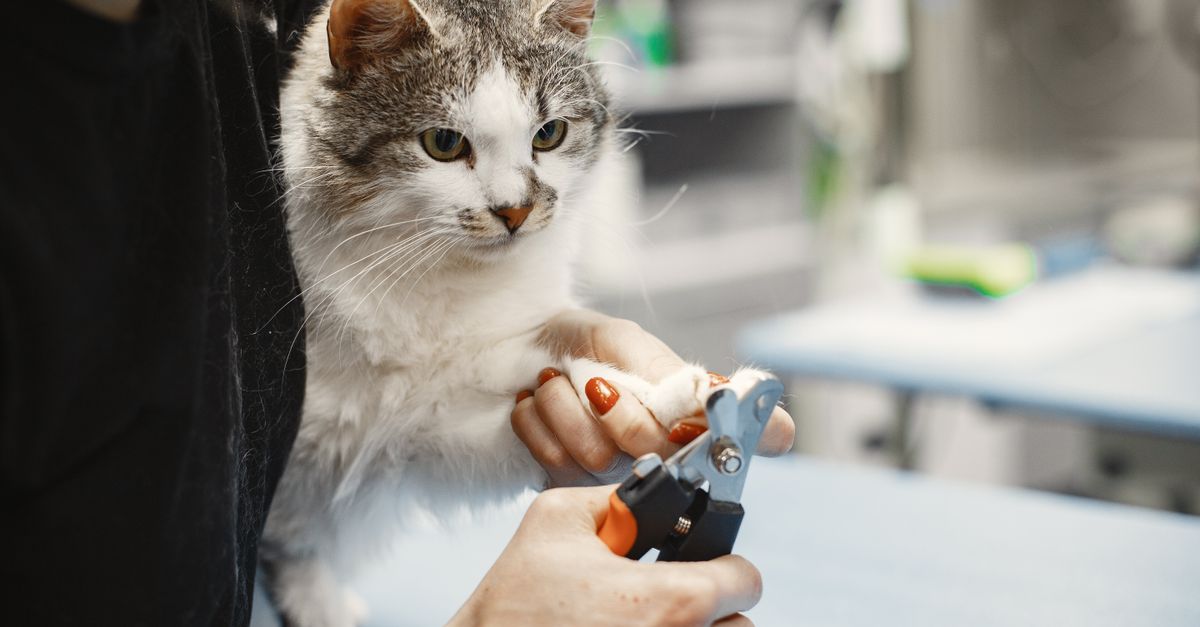
Trimming your pet’s nails requires care. Start by trimming just the tip of the nail, taking care not to cut the quick. The quick is the sensitive part of the nail that contains nerves and blood vessels.
Use a nail clipper or grinder to trim your pet’s nails, taking care to avoid cutting the quick. If you do cut the quick, apply a styptic powder or pet nail clotting gel to stop the bleeding. You can find more information on pet wound care and how to manage wounds.
Pro tip: Always trim your pet’s nails in a well-lit area and have a styptic powder or a pet nail clotting gel on hand to stop any bleeding.
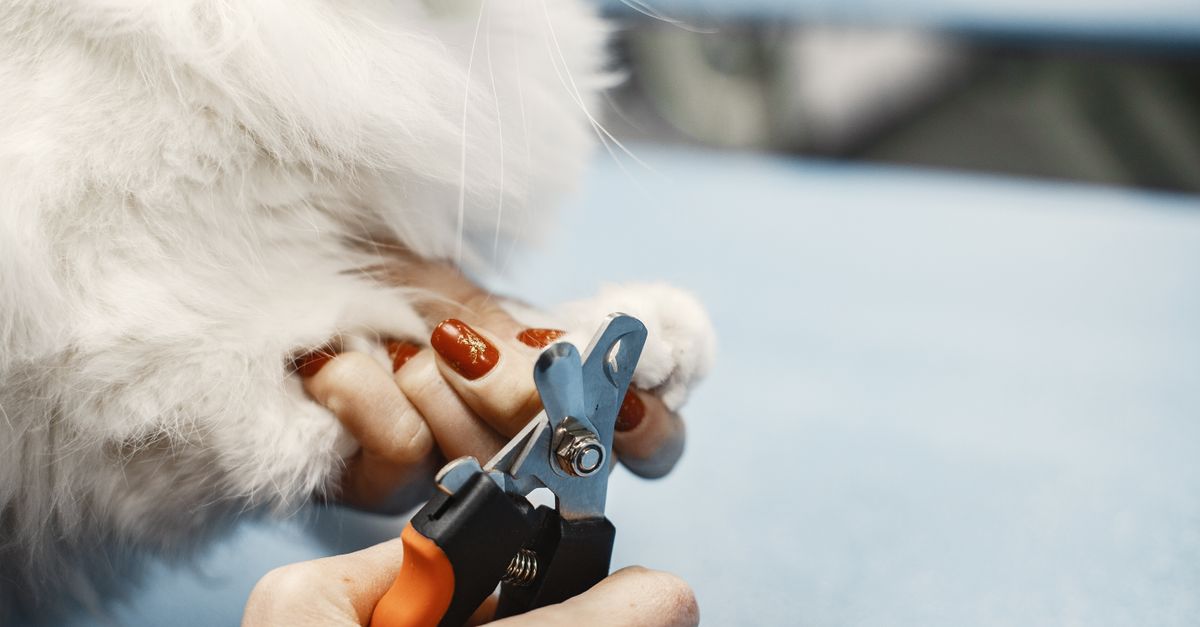
Caring for Pet Nails After Trimming
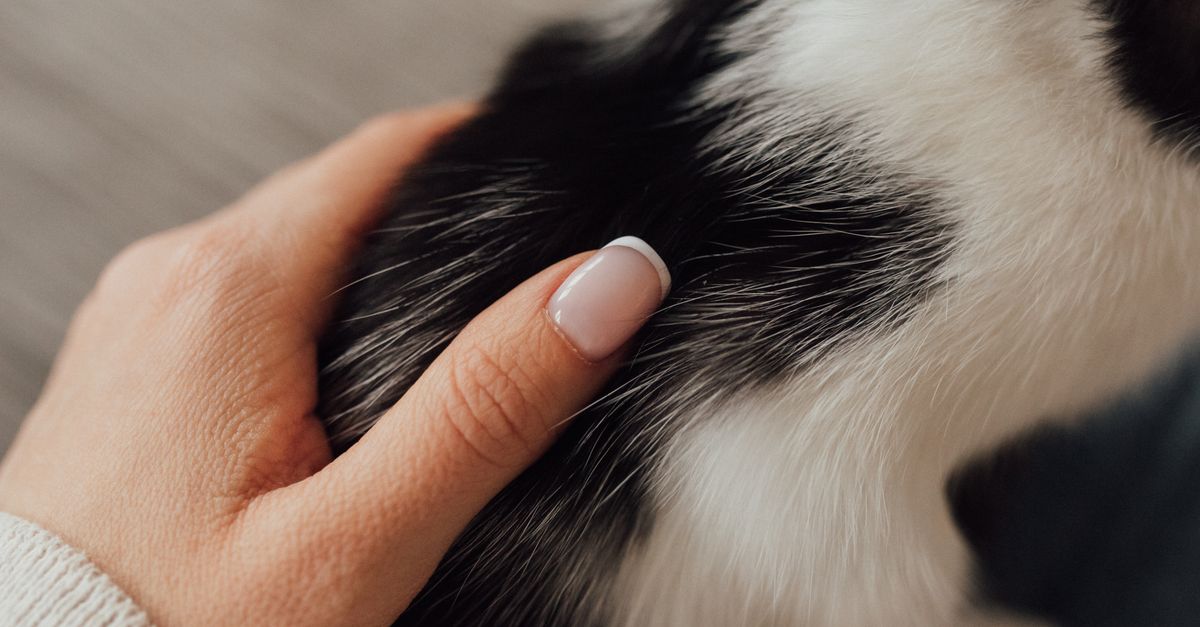
Filing and Buffing
After trimming your pet’s nails, it’s necessary to file and buff them to smooth out any rough edges. This can help prevent scratching and discomfort. You can use a nail file or buffer specifically designed for pets.
Filing and buffing your pet’s nails can help keep them healthy and strong. It’s also necessary to monitor your pet’s nails for any signs of pain or infection, such as redness, swelling, or discharge. You can find more information on pet paw care and how to keep your pet’s paws healthy.
Monitoring for Signs of Pain or Infection
After trimming your pet’s nails, it’s necessary to monitor them for any signs of pain or infection. If you notice any redness, swelling, or discharge, seek veterinary attention immediately. You can find more information on pet wound care and how to manage wounds.
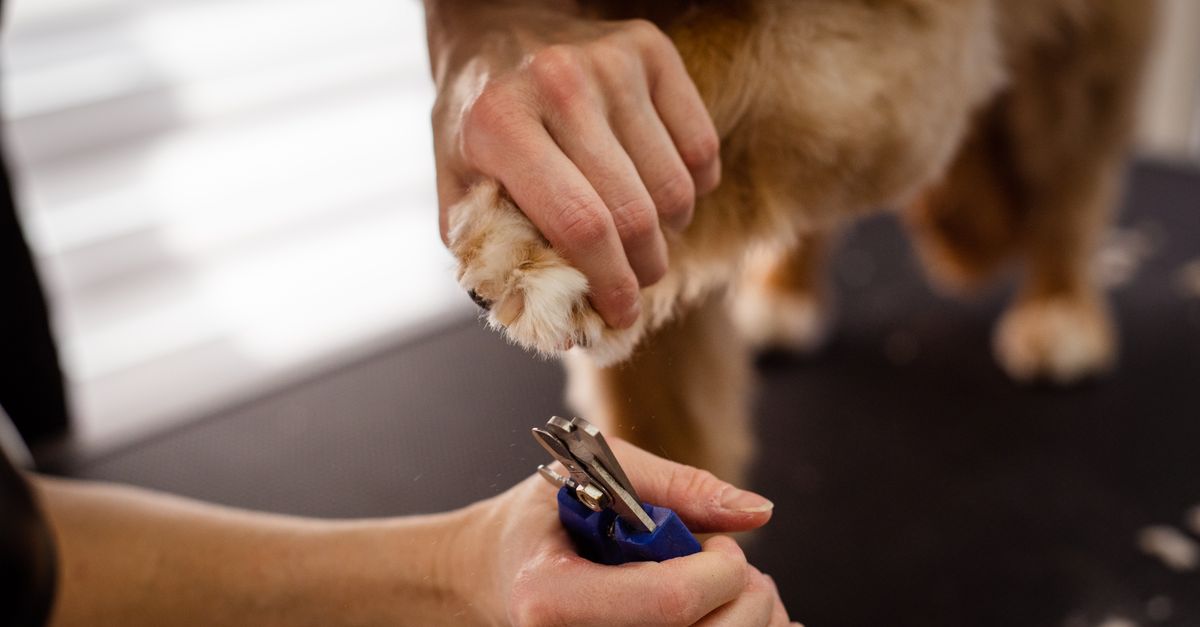
Common Mistakes to Avoid
Cutting the Quick
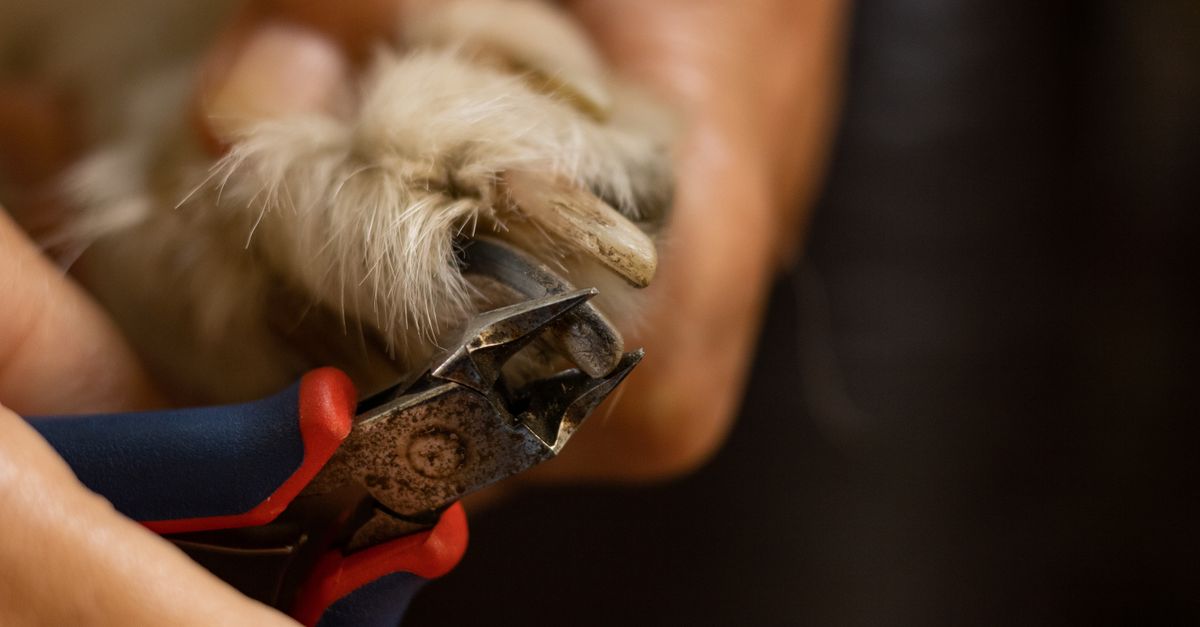
Cutting the quick is one of the most common mistakes pet owners make when trimming their pet’s nails. The quick is the sensitive part of the nail that contains nerves and blood vessels. If you cut the quick, your pet may experience pain and bleeding.
To avoid cutting the quick, trim just the tip of the nail, taking care not to trim too much at once. If you do cut the quick, apply a styptic powder or pet nail clotting gel to stop the bleeding. You can find more information on pet wound care and how to manage wounds.
Other Common Mistakes
Other common mistakes pet owners make when trimming their pet’s nails include trimming too much nail at once, not using the right nail clippers, and not monitoring for signs of pain or infection. To avoid these mistakes, it’s necessary to choose the right nail clippers, trim just the tip of the nail, and monitor your pet’s nails for any signs of pain or infection.
Frequently Asked Questions
Frequently asked questions about pet nail care include how often to trim your pet’s nails, what are the risks of not trimming your pet’s nails, and can you trim your pet’s nails yourself or should you take them to a veterinarian. Below, we answer these questions and provide more information on pet nail care.
How often should I trim my pet’s nails?
The frequency of nail trimming depends on your pet’s lifestyle and nail growth rate. Generally, dogs need their nails trimmed every 4-6 weeks, while cats need their nails trimmed every 6-8 weeks. You can find more information on pet paw care and how to keep your pet’s paws healthy.
What are the risks of not trimming my pet’s nails?
The risks of not trimming your pet’s nails include pain, infection, and even arthritis. Long nails can cause discomfort and lead to more severe health problems, making it necessary to trim them regularly. For more information on pet arthritis care, you can visit our website.
Can I trim my pet’s nails myself, or should I take them to a veterinarian?
While it’s possible to trim your pet’s nails yourself, it’s recommended to take them to a veterinarian if you’re unsure or inexperienced. Veterinarians can provide guidance on how to trim your pet’s nails safely and effectively. You can find more information on pet grooming tools and how to choose the right ones for your pet.
Pet nail care is a crucial part of maintaining your pet’s overall health. By following the tips and guidelines outlined in this article, you can help keep your pet’s nails healthy and strong. To always trim your pet’s nails in a well-lit area and have a styptic powder or a pet nail clotting gel on hand to stop any bleeding. With the right knowledge and tools, you can provide your pet with the best possible care.