

Mastering Pet Motion Sickness Remedies
According to the American Animal Hospital Association, approximately 23% of dogs experience pet motion sickness, which can lead to a range of unpleasant symptoms, including vomiting, drooling, and restlessness. If you’re a pet owner who frequently travels with your dog or cat, you’re likely no stranger to the challenges of pet motion sickness. Fortunately, there are several effective remedies and strategies that can help prevent and treat this condition, ensuring a more comfortable and enjoyable travel experience for your pet.
For many pet owners, traveling with their pets can be a stressful experience, particularly if their pet is prone to pet motion sickness. By understanding the causes of motion sickness in pets and exploring the various treatment options available, you can help minimize the risk of your pet experiencing motion sickness. Regular pet urine stain removal can also help reduce stress and anxiety in pets.
When it comes to preventing and treating pet motion sickness, a comprehensive approach is necessary. This may involve a combination of natural remedies, prescription medications, and behavioral techniques, such as desensitization and counterconditioning. By taking a proactive approach to managing pet motion sickness, you can help reduce the risk of your pet experiencing this condition.
Understanding Pet Motion Sickness
Causes of Motion Sickness in Pets
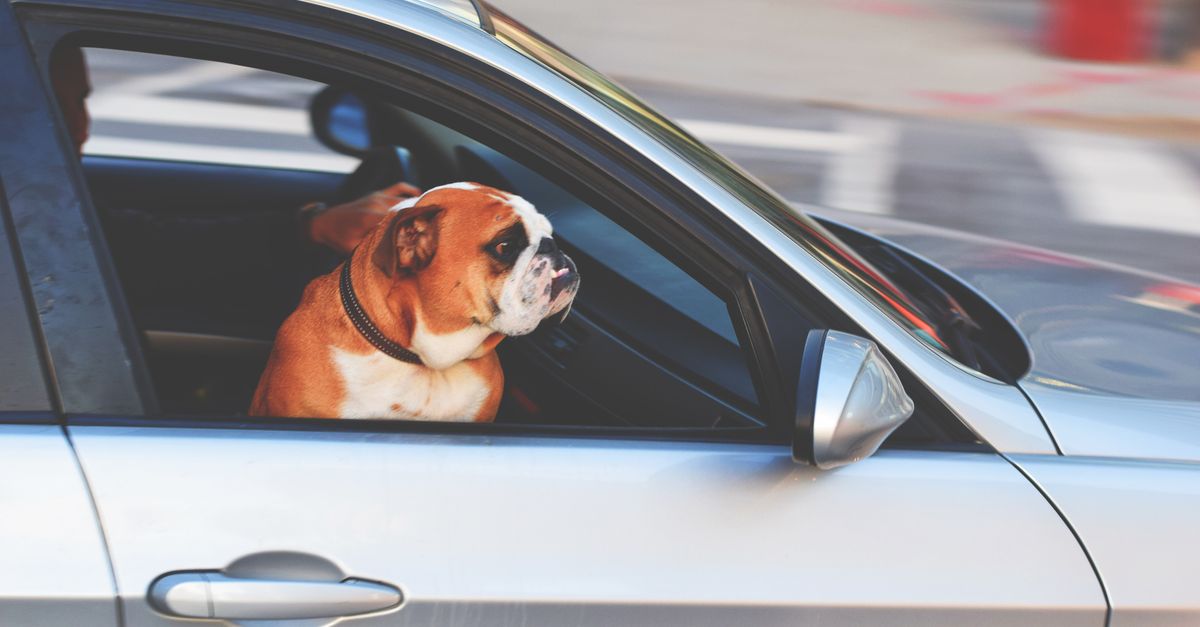
Motion sickness in pets is often caused by conflicting signals sent to the brain by the senses, as well as the pet’s individual temperament and personality. Common symptoms of motion sickness in dogs and cats include vomiting, drooling, and restlessness. Factors that contribute to motion sickness in pets may include the type of vehicle, the duration of the journey, and the pet’s level of comfort and familiarity with the travel environment.
Regular pet grooming can help reduce stress and anxiety in pets. Grooming can also help you identify any potential health issues that may contribute to motion sickness.
Preparing Pets for Travel
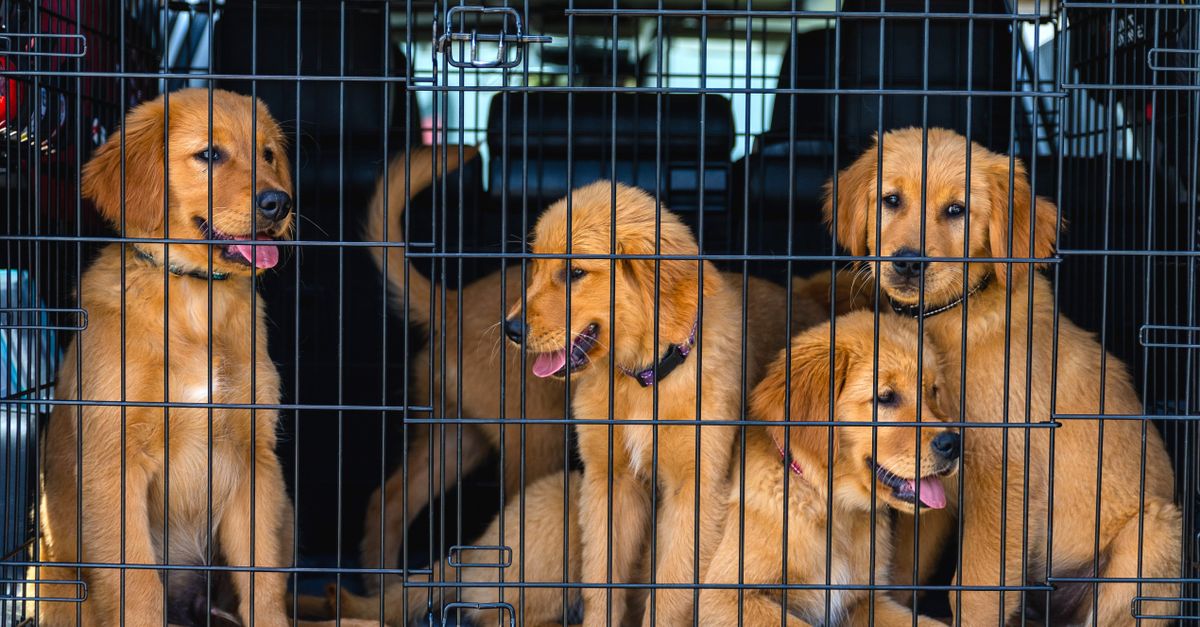
Preparing your pet for travel is a critical step in preventing pet motion sickness. This may involve gradually acclimating your pet to the car or travel crate, as well as creating a comfortable and safe travel environment. Tips for acclimating pets to car travel include starting with short journeys and gradually increasing the duration and distance.
Pet travel crates can also help reduce stress and anxiety in pets. These crates provide a safe and comfortable space for your pet to travel in.
Natural Remedies for Pet Motion Sickness
Herbal Supplements for Motion Sickness
Herbal supplements, such as ginger and peppermint, can be an effective natural remedy for pet motion sickness. These supplements can help to calm the stomach and reduce the symptoms of motion sickness. When using herbal supplements to treat pet motion sickness, it’s essential to follow the recommended dosage and administration guidelines.
Prescription Medications for Motion Sickness
Prescription medications, such as acepromazine and metoclopramide, can also be an effective treatment for pet motion sickness. These medications can help to prevent the symptoms of motion sickness. When using prescription medications to treat pet motion sickness, it’s essential to follow the recommended dosage and administration guidelines, as well as to monitor your pet closely for any potential side effects.
| Remedy | Form | Dosage | Side Effects |
|---|---|---|---|
| Ginger | Capsules, tablets, treats | 250-500mg per 10lbs of body weight | None reported |
| Peppermint | Capsules, tablets, treats | 250-500mg per 10lbs of body weight | None reported |
| Acepromazine | Tablets, capsules, injections | 0.25-1.0mg per 10lbs of body weight | Sedation, dry mouth, increased heart rate |
| Metoclopramide | Tablets, capsules, injections | 0.1-0.5mg per 10lbs of body weight | Diarrhea, vomiting, stomach cramps |

Proven Methods for Preventing Motion Sickness
Desensitization and Counterconditioning
Desensitization and counterconditioning are two effective behavioral techniques that can help prevent pet motion sickness. Desensitization involves gradually exposing your pet to the stimuli that trigger motion sickness, while counterconditioning involves associating the travel environment with positive experiences and rewards.
By using these techniques, you can help your pet become more comfortable and confident in the travel environment, reducing the risk of pet motion sickness. Pet separation anxiety can also contribute to motion sickness in pets.
Pro tip: Gradually increasing travel time and distance can help pets become more comfortable with car travel, reducing the risk of pet motion sickness.
Frequently Asked Questions
Frequently asked questions about pet motion sickness include what are the most common symptoms, can human motion sickness medications be used on pets, and how to prevent motion sickness during long road trips.
What are the most common symptoms of motion sickness in pets?
The most common symptoms of motion sickness in pets include vomiting, drooling, and restlessness. These symptoms can range from mild to severe, and can be accompanied by other signs, such as whining, panting, and pacing. If you suspect your pet is experiencing motion sickness, it’s essential to seek veterinary advice to determine the best course of treatment. Pet asthma can also contribute to motion sickness in pets.
Can I use human motion sickness medications on my pet?
No, human motion sickness medications should not be used on pets, as they can be toxic and cause serious side effects. Instead, it’s essential to use medications specifically formulated for pets, and to follow the recommended dosage and administration guidelines to ensure your pet’s safety and well-being. Pet medication management is crucial to preventing overdoses and side effects.
How can I prevent motion sickness in my pet during long road trips?
Preventing motion sickness in pets during long road trips requires a combination of natural remedies, prescription medications, and behavioral techniques. This may include administering herbal supplements or prescription medications, using desensitization and counterconditioning techniques, and providing a comfortable and safe travel environment. By taking a proactive approach to managing pet motion sickness, you can help reduce the risk of your pet experiencing this condition and ensure a more enjoyable and stress-free travel experience for both you and your pet. Pet travel crates and pet grooming tools can also help reduce stress and anxiety in pets.
Pet motion sickness can be effectively managed with the right combination of natural remedies, prescription medications, and behavioral techniques. By understanding the causes of motion sickness in pets and taking a proactive approach to prevention, you can help reduce the risk of your pet experiencing this condition and ensure a more enjoyable and stress-free travel experience for both you and your pet. Always consult with your veterinarian before administering any medications or using any remedies, and follow the recommended dosage and administration guidelines to ensure your pet’s safety and well-being.