
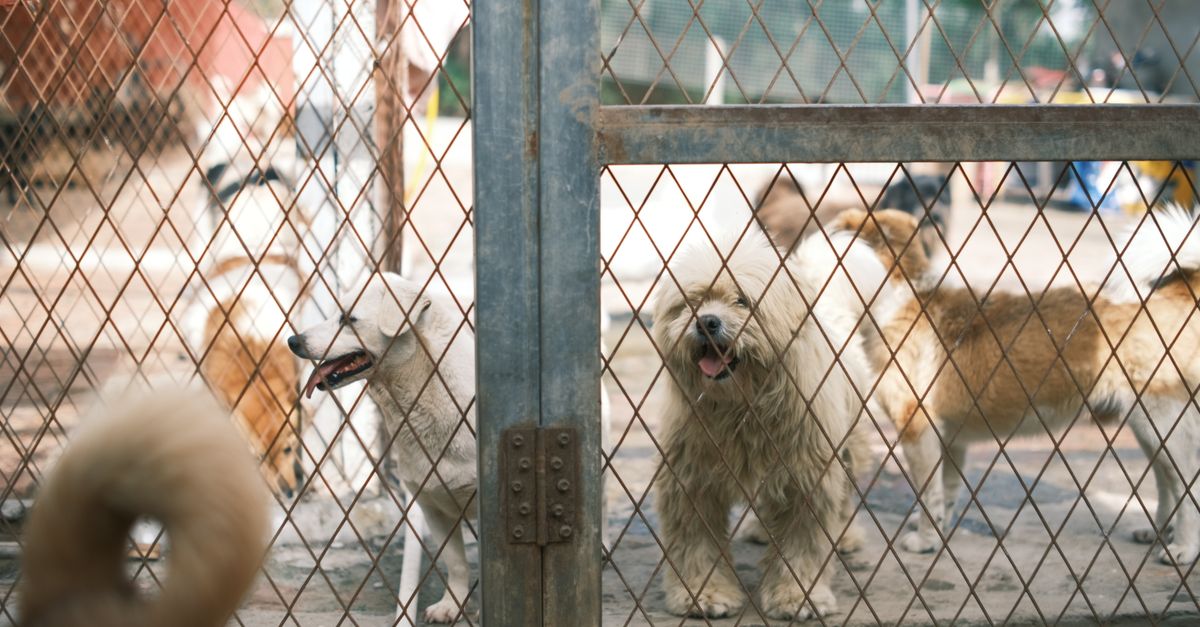
Mastering Pet Kennel Training for Calm Dogs
Over 70% of dog owners experience difficulty with pet kennel training, leading to increased anxiety and stress for both the dog and the owner. Pet kennel training can be a challenging process, but with the right approach, it can be a valuable tool for reducing separation anxiety and improving housebreaking. A well-trained dog can learn to associate their kennel with a sense of security and relaxation.
By introducing dogs to their kennels gradually and using positive reinforcement techniques, owners can help their pets feel more comfortable and secure in their kennels. This, in turn, can lead to a reduction in destructive behavior and anxiety-related problems. A comfortable and secure kennel environment is crucial to the success of pet kennel training.
Choosing the right kennel for your dog is critical to the success of pet kennel training. With many different types of kennels available, it can be overwhelming to decide which one is best for your pet. A comparison of different types of kennels can be seen in the table below:
| Type of Kennel | Benefits |
|---|---|
| Wire Kennel | Good ventilation, easy to clean, and affordable |
| Plastic Kennel | Durable, easy to clean, and suitable for dogs with separation anxiety |
| Wooden Kennel | Aesthetically pleasing, durable, and can be used for dogs with separation anxiety |
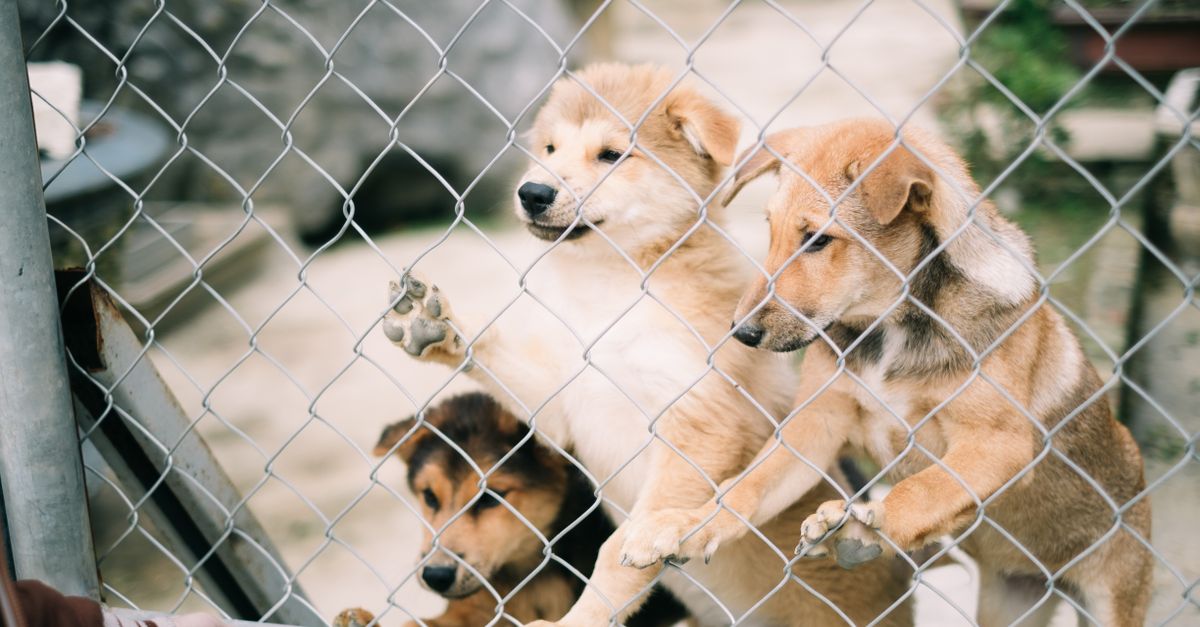
Introduction to Pet Kennel Training
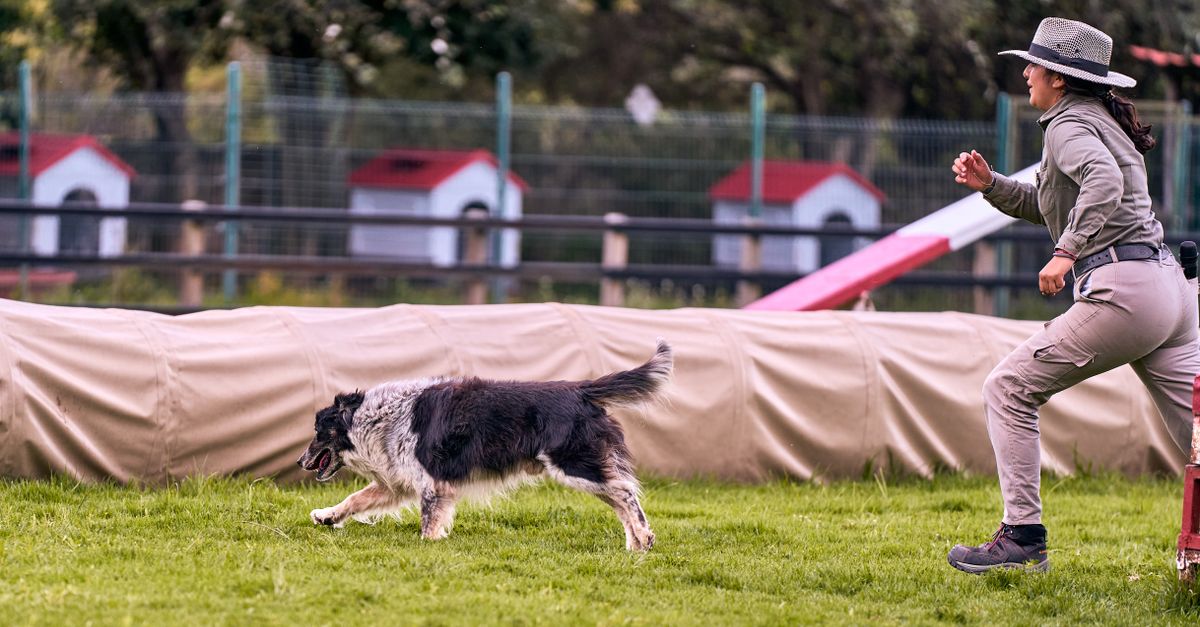
Benefits of Kennel Training for Dogs
Pet kennel training can have numerous benefits for dogs, including reduced separation anxiety, improved housebreaking, and increased sense of security. By providing a safe and comfortable space for your dog to relax, you can help reduce the likelihood of destructive behavior and anxiety-related problems. For more information on reducing separation anxiety, you can visit our article on Mastering Pet Separation Anxiety Solutions.
Choosing the Right Kennel for Your Dog
When choosing a kennel for your dog, consider factors such as size, material, and ventilation. A kennel that is too small can cause your dog to feel claustrophobic, while a kennel that is too large can make your dog feel insecure. For more information on creating a comfortable environment for your dog, you can visit our article on Mastering Pet Paw Care: Healthy Paws for Happy Pets.
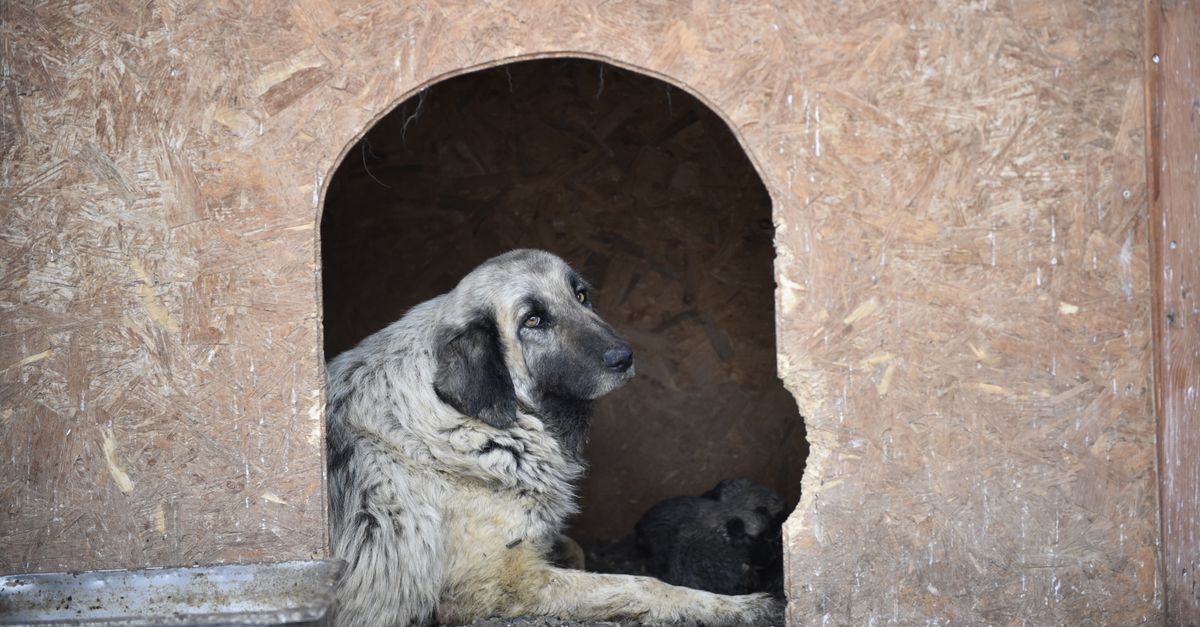
Step-by-Step Kennel Training Guide
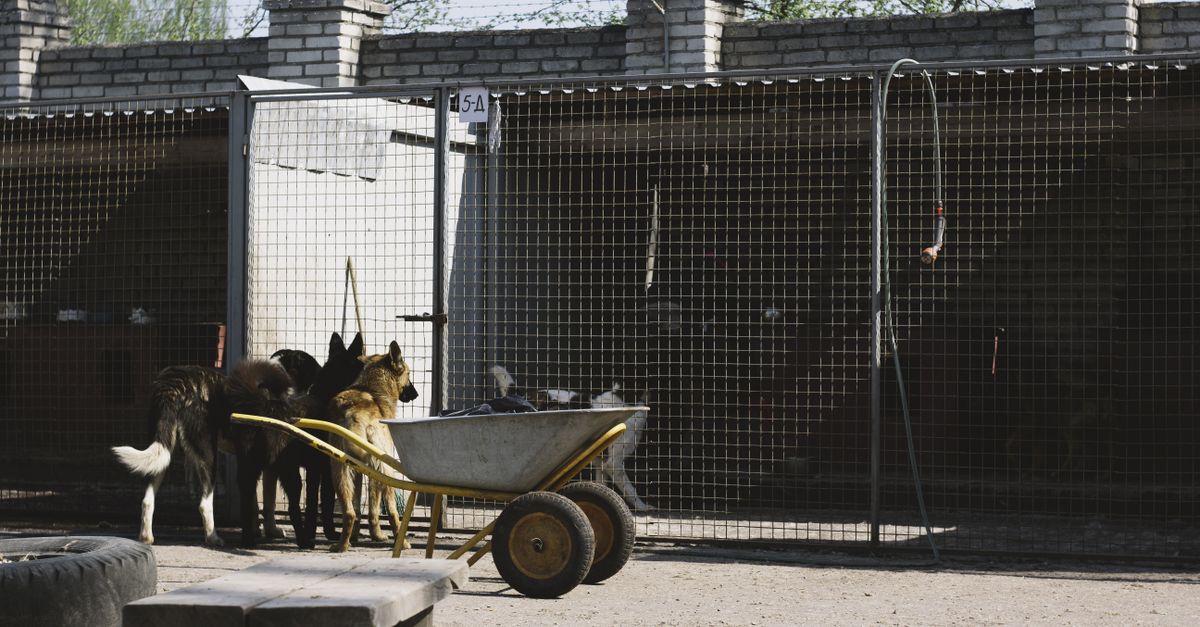
Introducing Your Dog to Their Kennel
Introduce your dog to their kennel gradually, starting with short periods of time and gradually increasing the duration. On the first day, place your dog in the kennel for a short period, such as 5-10 minutes, and reward them with treats and praise. For more information on positive reinforcement techniques, you can visit our article on Mastering Pet Phobias with Desensitization.
Creating a Comfortable Kennel Environment
To create a comfortable kennel environment, use calming aids such as pheromone diffusers and calming music. You can also add comfortable bedding and toys to make the kennel feel more like a den. For more information on creating a comfortable environment for your dog, you can visit our article on Mastering Pet Grooming Tools for Healthy Coats.
Pro tip: “Be patient and consistent when introducing your dog to their kennel, as it may take time for them to adjust to this new space.”
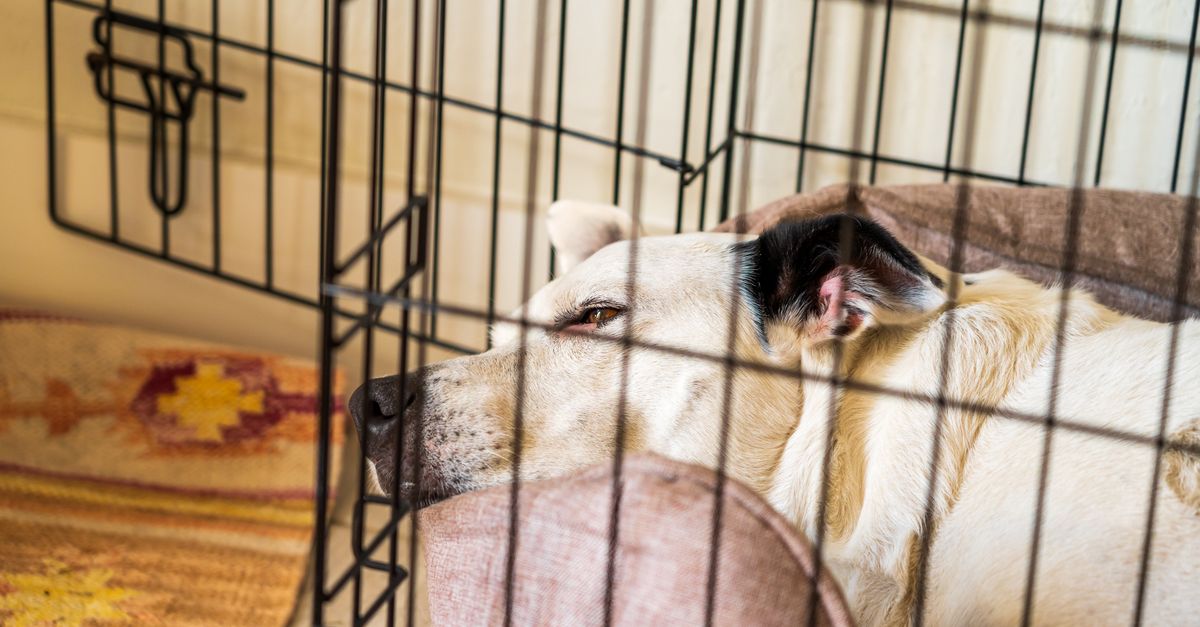
Troubleshooting Common Kennel Training Issues
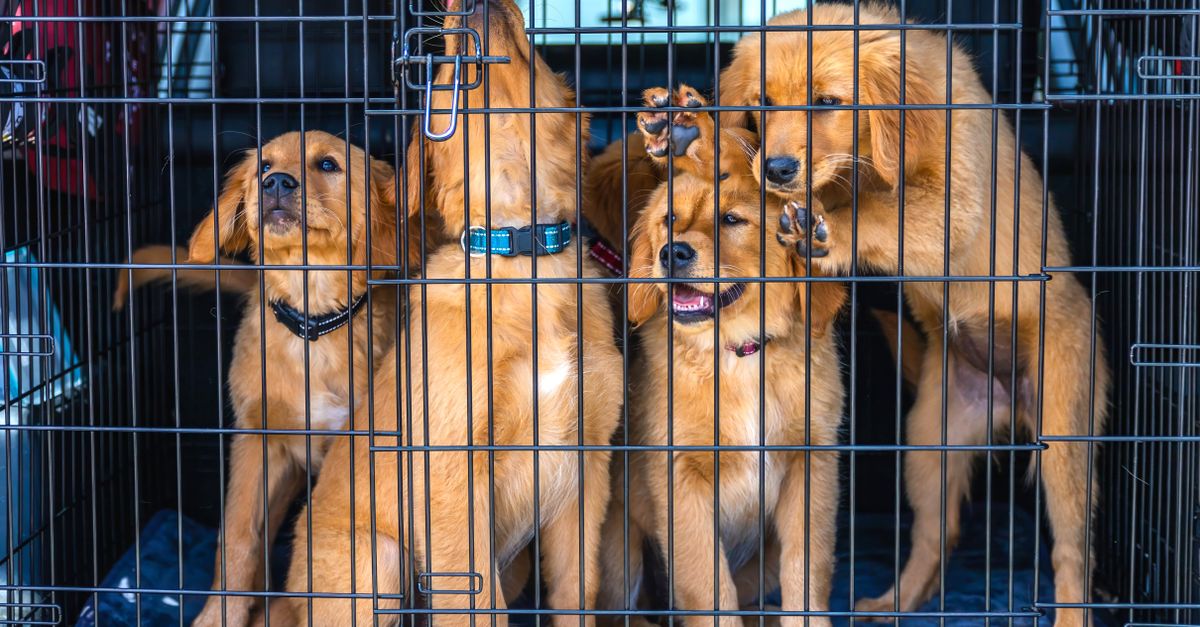
Whining and Barking
Whining and barking are common issues that can arise during pet kennel training. To address these issues, identify the underlying cause and provide a solution. For example, if your dog is whining due to separation anxiety, you can try using calming aids such as pheromone diffusers. For more information on addressing separation anxiety, you can visit our article on Pet Anxiety Solutions: Calming Your Dog.
Escape Attempts and Kennel Destruction
Escape attempts and kennel destruction can be a significant problem during pet kennel training. To prevent these issues, secure the kennel door and provide adequate ventilation and exercise. For more information on creating a safe and secure environment for your dog, you can visit our article on Mastering Pet Home Preparedness.
Advanced Kennel Training Techniques
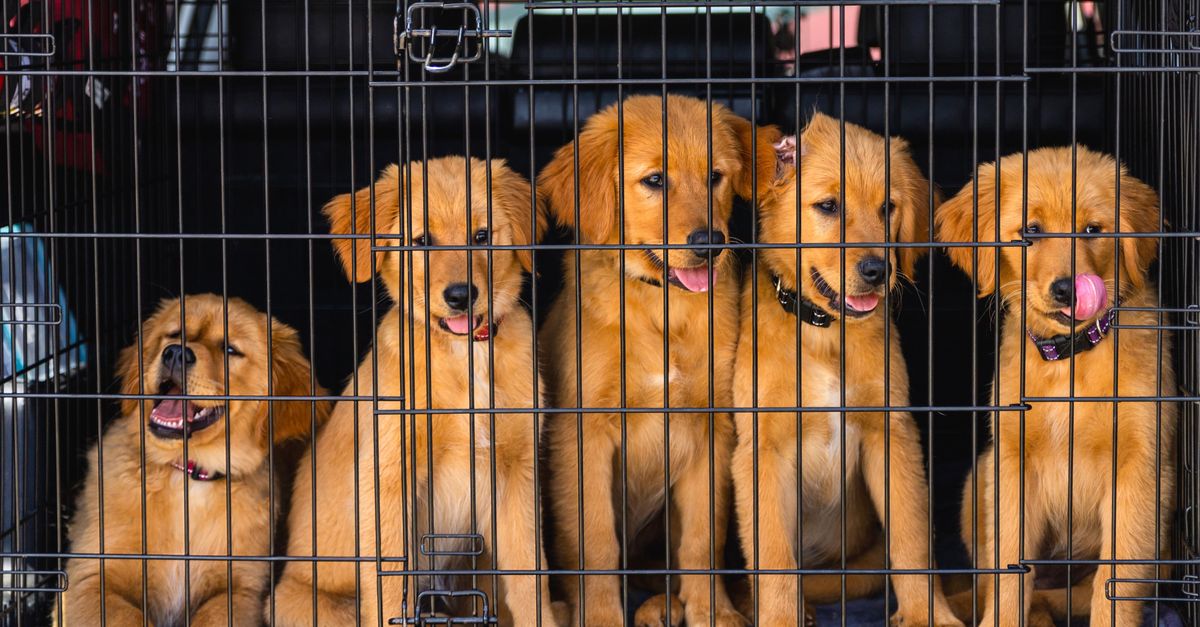
Crate Training for Puppies
Crate training for puppies requires special consideration and patience. Introduce the crate gradually and provide plenty of positive reinforcement. For more information on crate training for puppies, you can visit our article on Mastering Pet Travel Crates for Safe Journeys.
Kennel Training for Older Dogs
Kennel training for older dogs requires age-related considerations and adaptations. Provide a comfortable and secure environment that meets the needs of your older dog. For more information on caring for older dogs, you can visit our article on Mastering Pet Senior Care Essentials.
Frequently Asked Questions
Frequently asked questions about pet kennel training include how long it takes to kennel train a dog, whether it’s possible to leave a dog in their kennel for extended periods, and how to prevent boredom and stress in the kennel. The following questions and answers provide more information on these topics.
How long does it take to kennel train a dog?
The time it takes to kennel train a dog can vary depending on the individual dog and the training method used. On average, it can take several weeks to several months to fully train a dog to use a kennel.
Can I leave my dog in their kennel for extended periods of time?
It’s not recommended to leave a dog in their kennel for extended periods, as this can lead to boredom, stress, and anxiety. The maximum time a dog should be left in their kennel is 8-10 hours, and this should only be done in exceptional circumstances.
How can I prevent my dog from getting bored or stressed in their kennel?
To prevent boredom and stress in the kennel, provide plenty of exercise, mental stimulation, and positive reinforcement. You can also use calming aids such as pheromone diffusers and calming music to create a relaxing environment.
Pet kennel training is an effective way to reduce separation anxiety and improve housebreaking in dogs. By following the step-by-step guide and troubleshooting common issues, you can help your dog feel more comfortable and secure in their kennel. With patience, consistency, and positive reinforcement, you can help your dog become a well-trained and happy member of your family.