
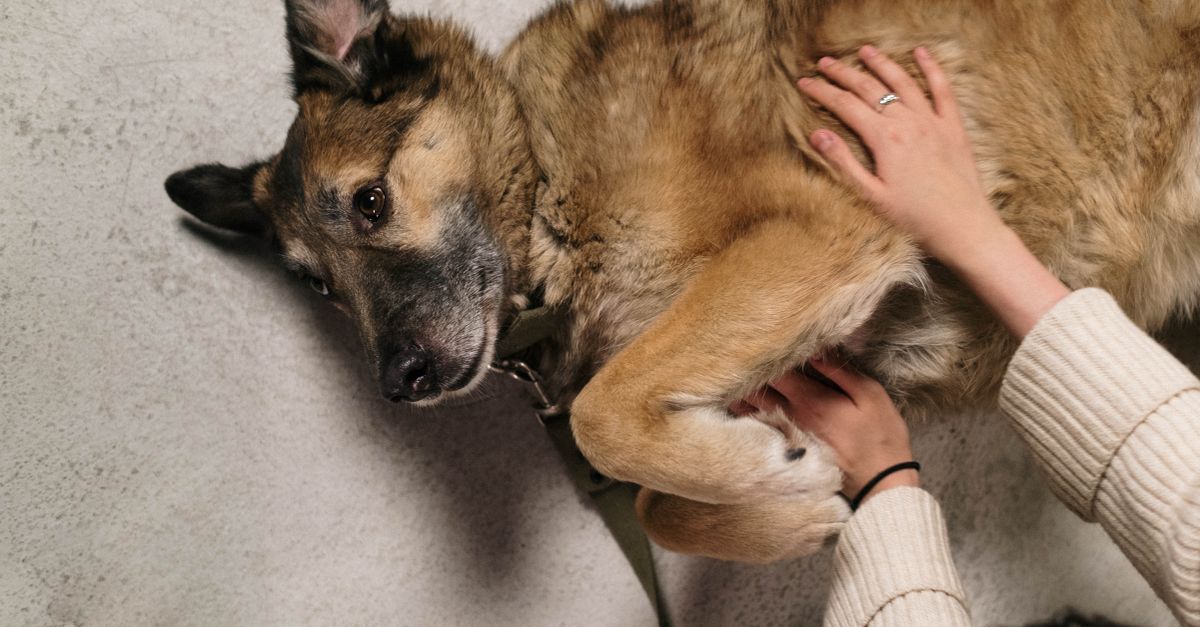
Mastering Pet Massage Therapy for Relaxation
Over 70% of pets experience stress and anxiety, which can lead to behavioral problems and decreased quality of life. Pet massage therapy has emerged as a natural and effective way to reduce stress and anxiety in pets, improving their overall well-being. By incorporating pet massage therapy into your pet’s care routine, you can help alleviate stress and anxiety.
Regular pet massage therapy sessions have been shown to have numerous benefits for dogs and cats, including reduced shedding and hairballs, improved digestion and bowel health, and increased affection and socialization. Pet massage therapy can also help improve sleep quality, increase flexibility and range of motion, and reduce pain and inflammation.
Before starting any new therapy, including pet massage therapy, consult with a veterinarian to ensure that your pet is healthy enough for massage and to discuss any potential concerns or precautions. You can learn more about pet first aid kits and how to prepare for emergencies.

Introduction to Pet Massage Therapy
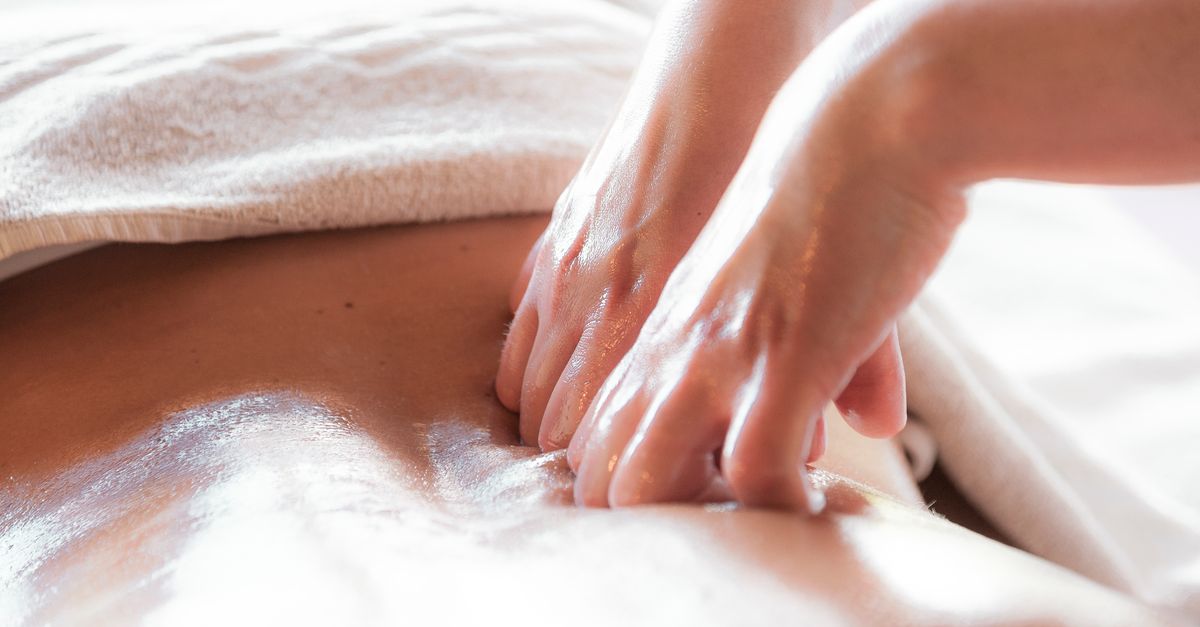
Benefits of Pet Massage for Dogs
Dogs can benefit greatly from pet massage therapy, which can help reduce stress and anxiety, improve sleep quality, and increase flexibility and range of motion. Regular massage sessions can also help improve your dog’s overall behavior. For more information on pet separation anxiety solutions, you can visit our website.
Benefits of Pet Massage for Cats
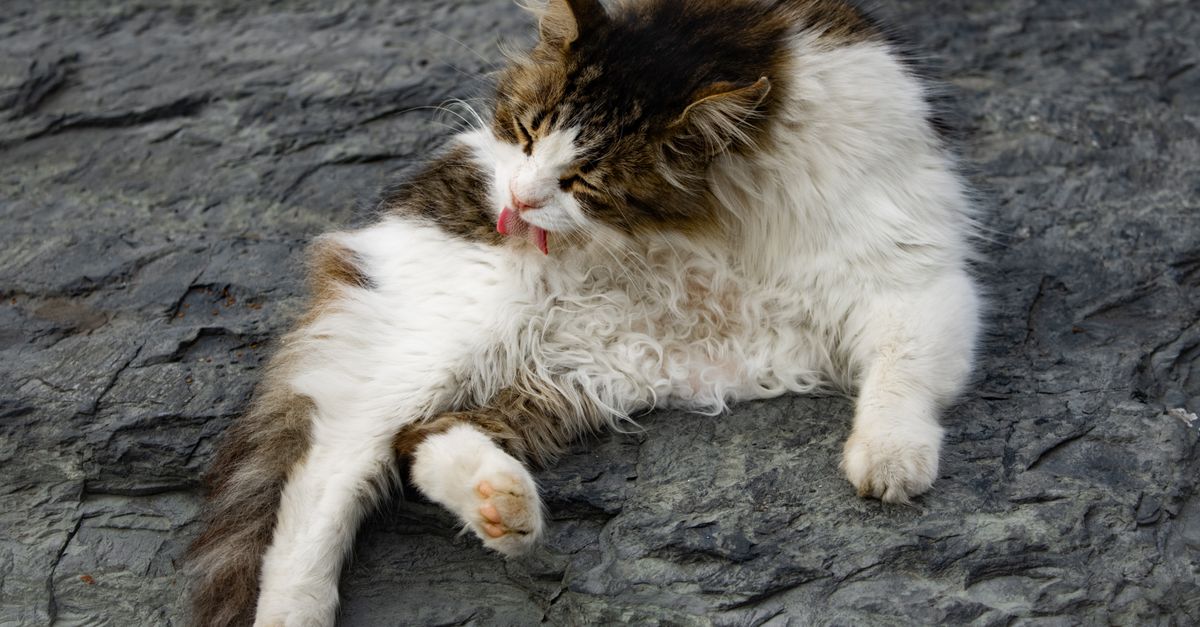
Cats can also benefit from pet massage therapy, which can help reduce shedding and hairballs, improve digestion and bowel health, and increase affection and socialization. Regular massage sessions can also help improve your cat’s overall coat health. You can learn more about pet grooming tools and how to keep your cat’s coat healthy.
Basic Pet Massage Techniques
Massage Techniques for Dogs
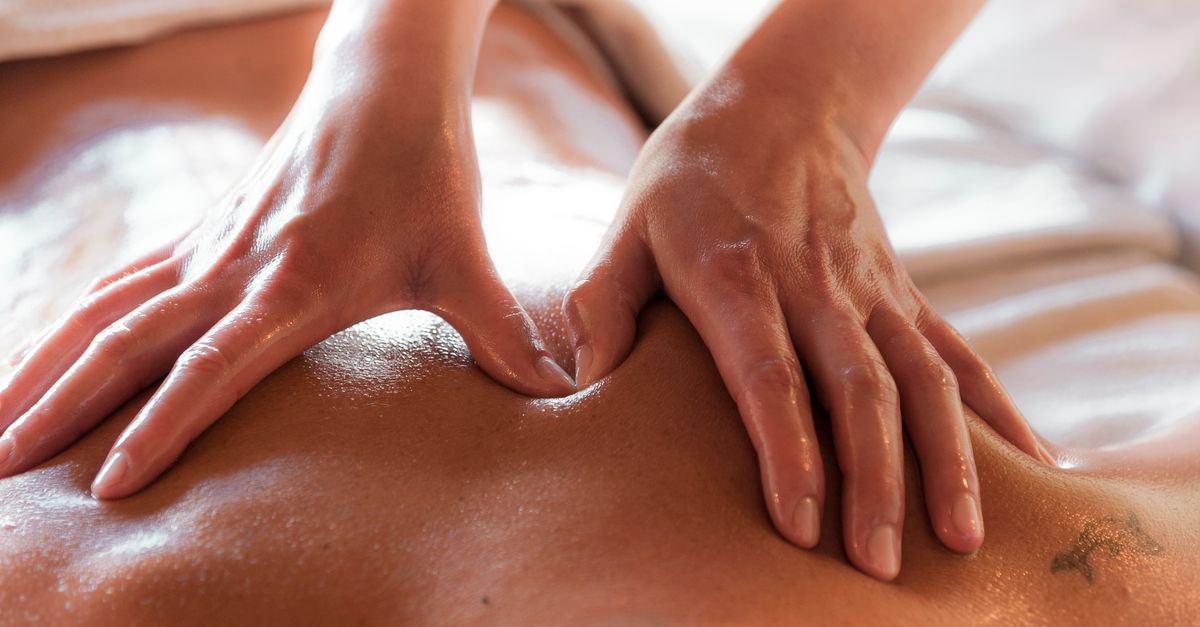
When massaging your dog, use gentle and soothing strokes, such as effleurage (long strokes) and petrissage (kneading). You can also use trigger point therapy to target specific areas of tension. For more information on pet arthritis care, you can visit our website.
Massage Techniques for Cats
When massaging your cat, use gentle strokes, such as soft kneading and targeted pressure points. You can also use gentle stroking to help calm and relax your cat. You can learn more about pet anxiety solutions and how to calm your cat.
Incorporating Massage into Your Pet’s Care Routine
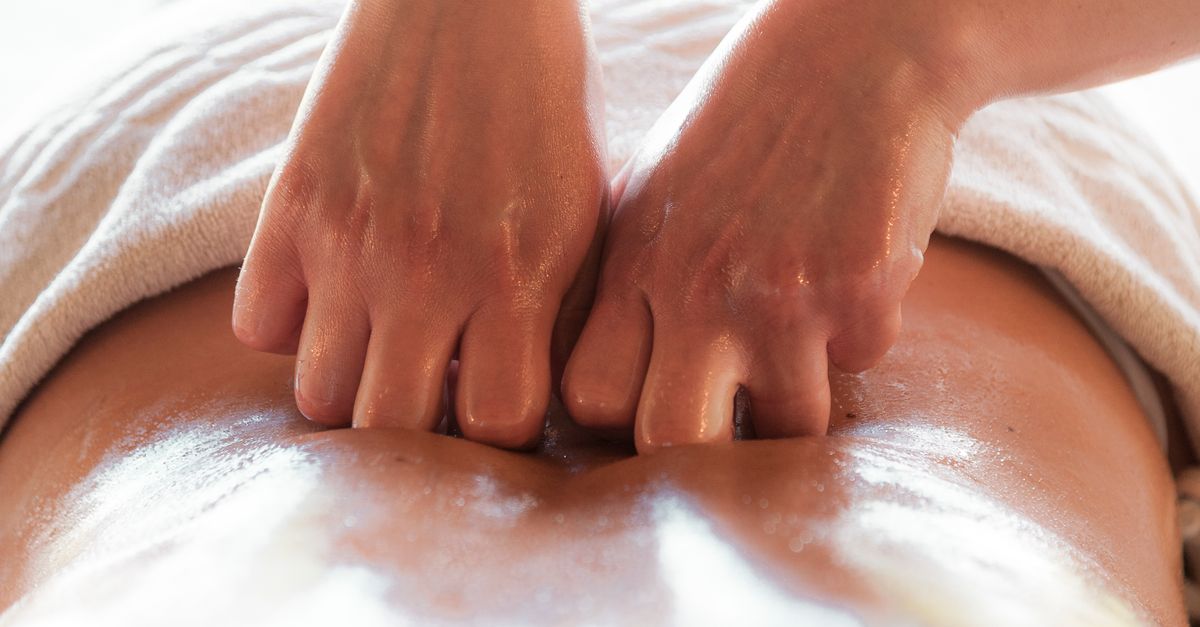
To incorporate massage into your pet’s care routine, start with short sessions (5-10 minutes) and gradually increase the duration as your pet becomes more comfortable with the therapy. You can also use massage oil specifically designed for pets to help reduce friction and improve the massage experience. For more information on pet nutrition planning, you can visit our website.
Pro tip: Start with short massage sessions and gradually increase the duration as your pet becomes more comfortable with the therapy.
Common Mistakes to Avoid When Massaging Your Pet
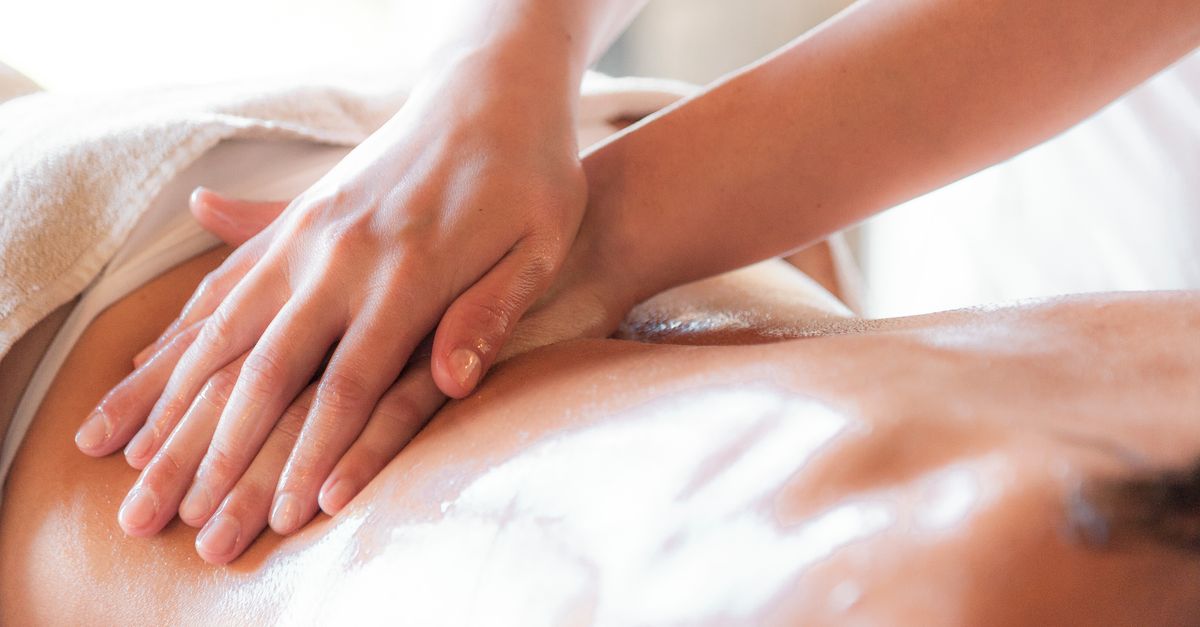
When massaging your pet, avoid using too much pressure, which can cause discomfort and pain. You should also avoid massaging sensitive areas, such as the eyes, ears, and paws. Consult with a veterinarian before starting any new therapy, including pet massage therapy. You can learn more about pet skin allergies and how to avoid irritating your pet’s skin.
Frequently Asked Questions
Frequently asked questions about pet massage therapy include how often to massage your pet, what type of oil to use, and what to do if your pet doesn’t seem to enjoy massage therapy. Below are some answers to these common questions.
How often should I massage my pet?
The frequency of massage sessions depends on your pet’s individual needs and health status. Generally, it is recommended to massage your pet 1-2 times a week, with each session lasting 10-30 minutes. For more information on pet shedding seasons, you can visit our website.
Can I use human massage oil on my pet?
No, it is not recommended to use human massage oil on your pet, as it can be toxic and cause skin irritation. Instead, use a massage oil specifically designed for pets, which is gentle and non-toxic. You can learn more about pet hypoallergenic grooming and how to choose the right products for your pet.
What if my pet doesn’t seem to enjoy massage therapy?
If your pet doesn’t seem to enjoy massage therapy, it may be due to pain, discomfort, or anxiety. Consult with a veterinarian to rule out any underlying medical conditions and to discuss alternative therapies. For more information on pet noise phobia treatment, you can visit our website.
Pet massage therapy is a natural and effective way to reduce stress and anxiety in pets, improving their overall well-being. By incorporating massage into your pet’s care routine and avoiding common mistakes, you can help your pet live a happier and healthier life. Always consult with a veterinarian before starting any new therapy, including pet massage therapy, and use gentle and soothing strokes when massaging your pet.