
Mastering Pet Hearing Loss Prevention
Approximately 30% of dogs and 50% of cats over the age of 12 experience some form of pet hearing loss, according to the American Animal Hospital Association. As a pet owner, it’s critical to take proactive steps to prevent hearing loss and promote overall ear health. Regular ear cleaning and check-ups are necessary, but diet and environmental changes also play a significant role in maintaining your pet’s hearing health.
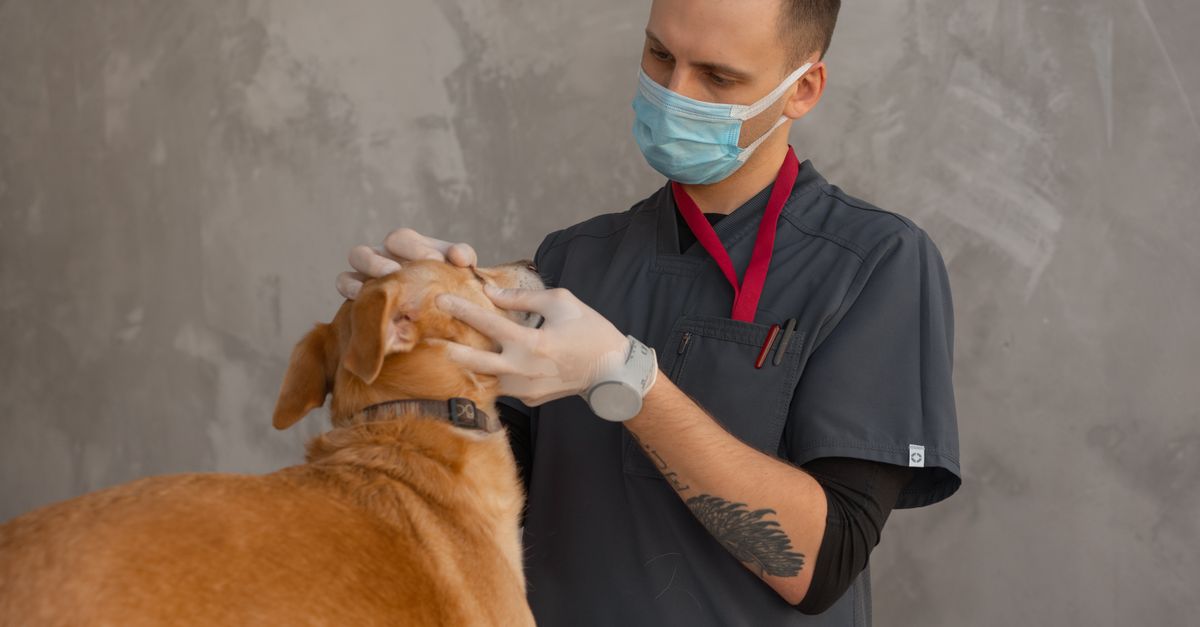
Identifying early signs of hearing loss is key to preventing further damage. If you notice your pet is not responding to commands or seems disoriented, it may be a sign of hearing loss. Regular veterinary check-ups can help detect hearing loss early on. For pets with pre-existing conditions, mastering pet senior care is crucial to prevent hearing loss and other age-related issues.
Preventing pet hearing loss requires a combination of good ear hygiene, a healthy diet, and a safe environment. A well-balanced diet rich in omega-3 fatty acids and antioxidants can help promote ear health. Reducing noise exposure and keeping your pet’s ears clean can also prevent hearing loss. For more information on promoting healthy coats and overall health, consider mastering pet grooming tools.
Understanding Pet Hearing Loss
Types of Hearing Loss in Pets
There are two types of hearing loss in pets: conductive and sensorineural. Conductive hearing loss occurs when there is a blockage in the ear canal, such as ear wax or debris, that prevents sound from reaching the eardrum. Sensorineural hearing loss is caused by damage to the inner ear or the auditory nerve. Age, genetics, and exposure to loud noises are common causes of pet hearing loss.
Identifying Early Signs of Hearing Loss
Behavioral changes, such as decreased response to commands, may indicate hearing loss. Physical signs, such as ear wax buildup and redness, can also be indicative of hearing loss. If you suspect your pet is experiencing hearing loss, consult with a veterinarian to rule out any underlying conditions. For pets with anxiety or phobias, pet anxiety solutions can help alleviate stress and prevent hearing loss.
Preventing Pet Hearing Loss
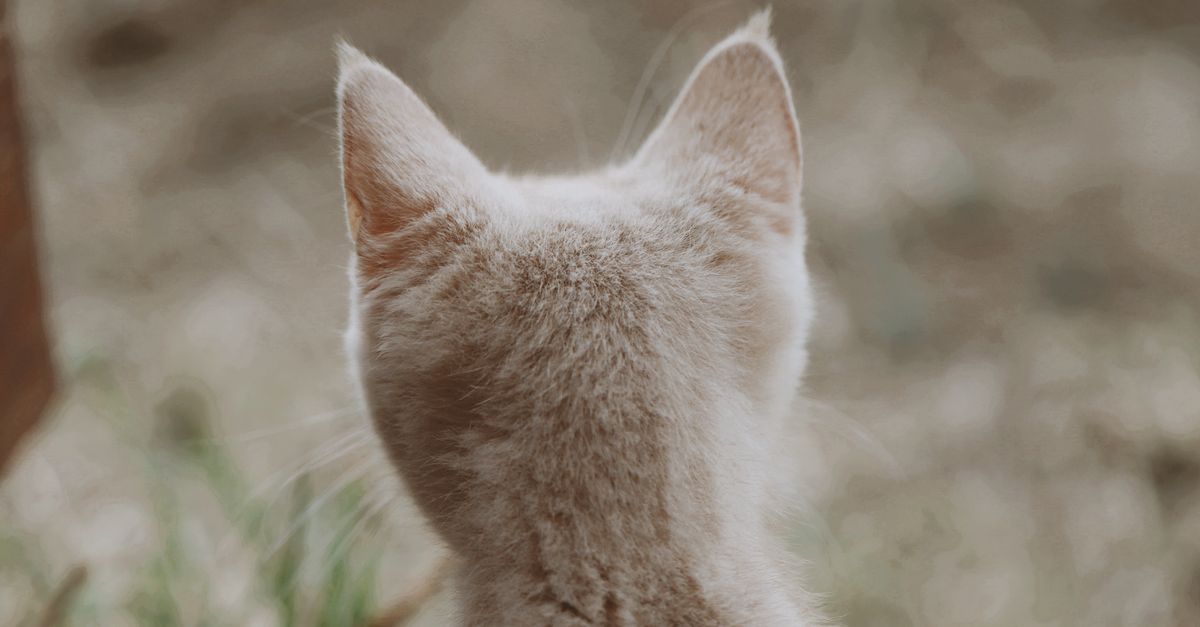
Dietary Changes for Ear Health
A well-balanced diet rich in omega-3 fatty acids and antioxidants can help promote ear health. Foods such as salmon, sweet potatoes, and green beans are rich in these nutrients. Supplements, such as vitamin E and beta-carotene, can also help prevent pet hearing loss. For more information on promoting healthy nutrition, consider mastering pet nutrition planning.
Environmental Changes for Ear Health
Reducing noise exposure is crucial to preventing pet hearing loss. Keeping your pet away from loud noises, such as fireworks or construction sites, can help prevent damage to the inner ear. Regular ear cleaning and check-ups can also help prevent hearing loss. For pets that experience motion sickness, mastering pet motion sickness remedies can help alleviate symptoms and prevent hearing loss.

Promoting Overall Ear Health

Ear Cleaning and Maintenance
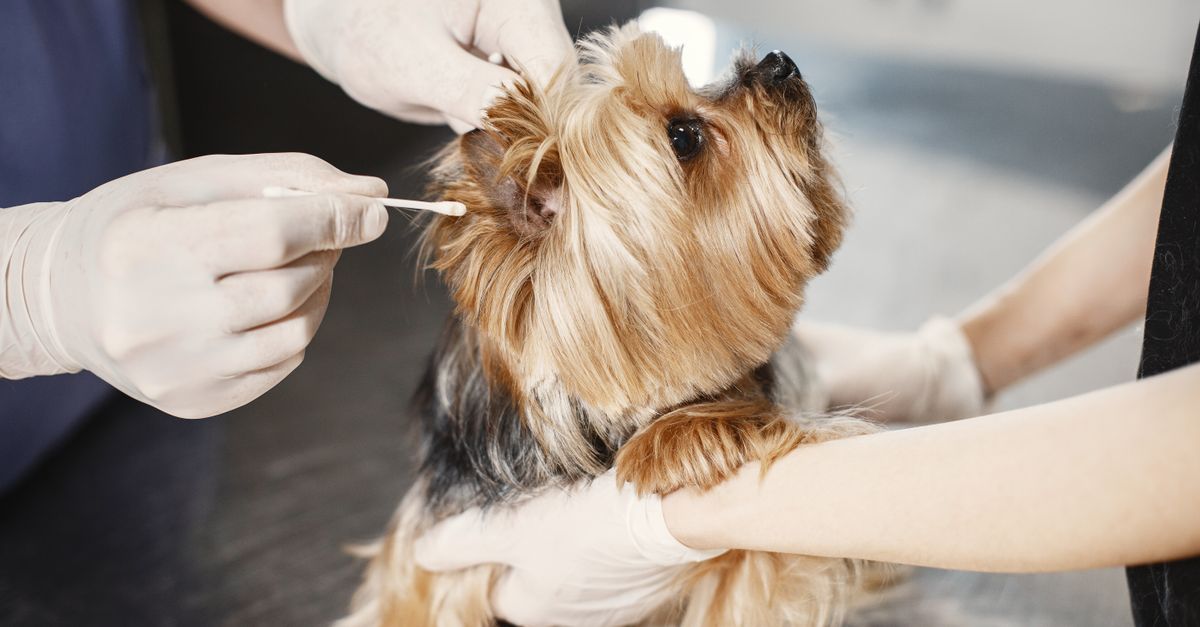
Regular ear cleaning is essential to prevent pet hearing loss. Using a gentle ear cleaner and cotton balls, you can clean your pet’s ears weekly. Avoid using human ear cleaning products on pets, as they can be harmful. Instead, use a pet-specific ear cleaner and follow the instructions carefully. For more information on promoting healthy paws, consider mastering pet paw care.
The following table compares different ear cleaning methods:
| Method | Description | Effectiveness |
|---|---|---|
| Cotton balls and ear cleaner | Gentle and effective for removing ear wax and debris | High |
| Ear wipes | Convenient and easy to use, but may not be as effective as cotton balls and ear cleaner | Medium |
| Ear irrigation | May be necessary for severe ear wax buildup or debris, but should be done by a veterinarian | Low |
Reducing the Risk of Ear Infections
Keeping your pet’s ears dry and clean can help prevent ear infections. Avoiding exposure to loud noises and reducing stress can also help prevent ear infections. If you suspect your pet has an ear infection, consult with a veterinarian for proper diagnosis and treatment. For pets with skin allergies, mastering pet skin allergies can help alleviate symptoms and prevent ear infections.
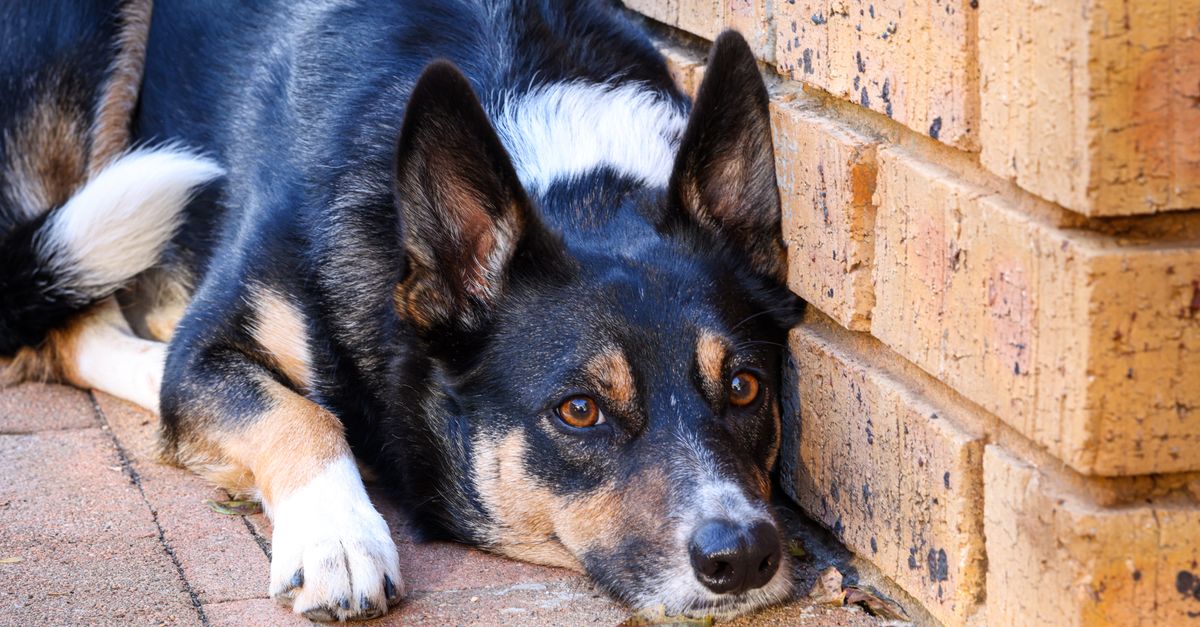
Regular ear cleaning and check-ups can help prevent pet hearing loss and promote overall ear health, but it’s also important to be aware of the signs of ear infections and seek veterinary care if necessary.
Frequently Asked Questions
Frequently asked questions about pet hearing loss can help you better understand how to prevent and promote overall ear health. Below are some common questions and answers to help you get started.
What are the most common causes of hearing loss in pets?
The most common causes of hearing loss in pets are age, genetics, and exposure to loud noises. Other factors, such as ear wax buildup and debris, can also contribute to pet hearing loss.
How can I tell if my pet is experiencing hearing loss?
Behavioral changes, such as decreased response to commands, may indicate hearing loss. Physical signs, such as ear wax buildup and redness, can also be indicative of hearing loss.
What are some natural remedies for promoting ear health and preventing hearing loss?
Natural remedies, such as omega-3 fatty acids and antioxidants, can help promote ear health and prevent pet hearing loss. Foods rich in these nutrients, such as salmon and sweet potatoes, can be added to your pet’s diet. Supplements, such as vitamin E and beta-carotene, can also be used to promote ear health. For more information on promoting healthy coats and overall health, consider mastering pet hypoallergenic grooming.
Preventing pet hearing loss requires a combination of good ear hygiene, a healthy diet, and a safe environment. By following these tips and being aware of the signs of hearing loss, you can help promote overall ear health and prevent hearing loss in your pet. Consult with a veterinarian if you suspect your pet is experiencing hearing loss or has an ear infection. With proper care and attention, you can help your pet maintain healthy ears and prevent pet hearing loss. For more information on promoting healthy pets, consider mastering pet home preparedness and mastering pet telehealth.