

Mastering Pet Shedding Seasons
During pet shedding seasons, many pet owners struggle with excessive hair and dander. In fact, up to 50% of dogs and cats shed heavily during seasonal changes, leading to a significant increase in pet dander and hair. Understanding the causes and symptoms of seasonal shedding is key to managing this issue, and with the right techniques and tools, you can reduce your pet’s shedding by up to 90%.
Seasonal shedding is a natural process, but it can be exacerbated by factors such as humidity, temperature, and daylight hours. As the seasons change, your pet’s coat adapts to the new environment, leading to a significant shed of old hair. This can be a challenge for pet owners, especially those with allergies or a strong dislike for pet hair.
To manage pet shedding seasons effectively, it’s necessary to understand the underlying causes and symptoms. By recognizing the signs of seasonal shedding, you can take proactive steps to reduce your pet’s hair and dander, creating a more comfortable environment for both you and your pet.
Understanding Pet Shedding Seasons

Causes of Seasonal Shedding
The seasonal shedding cycle is triggered by changes in daylight hours, temperature, and humidity. As the days get longer or shorter, your pet’s coat responds by shedding old hair and growing new hair. This process can be influenced by factors such as breed, age, and health.
Factors that contribute to excessive shedding during each season include humidity, temperature, and daylight hours. For example, during the spring and fall, the increase in humidity and temperature can lead to a significant shed of old hair. By understanding these factors, you can take steps to reduce your pet’s shedding.
Identifying Shedding Seasons
Identifying the signs and symptoms of shedding seasons is crucial to managing this issue. Common signs include excessive hair, dander, and shedding, especially during the spring and fall. By tracking and monitoring your pet’s shedding patterns, you can anticipate and prepare for the seasonal shed.
Managing Shedding During Each Season

Spring Shedding Solutions
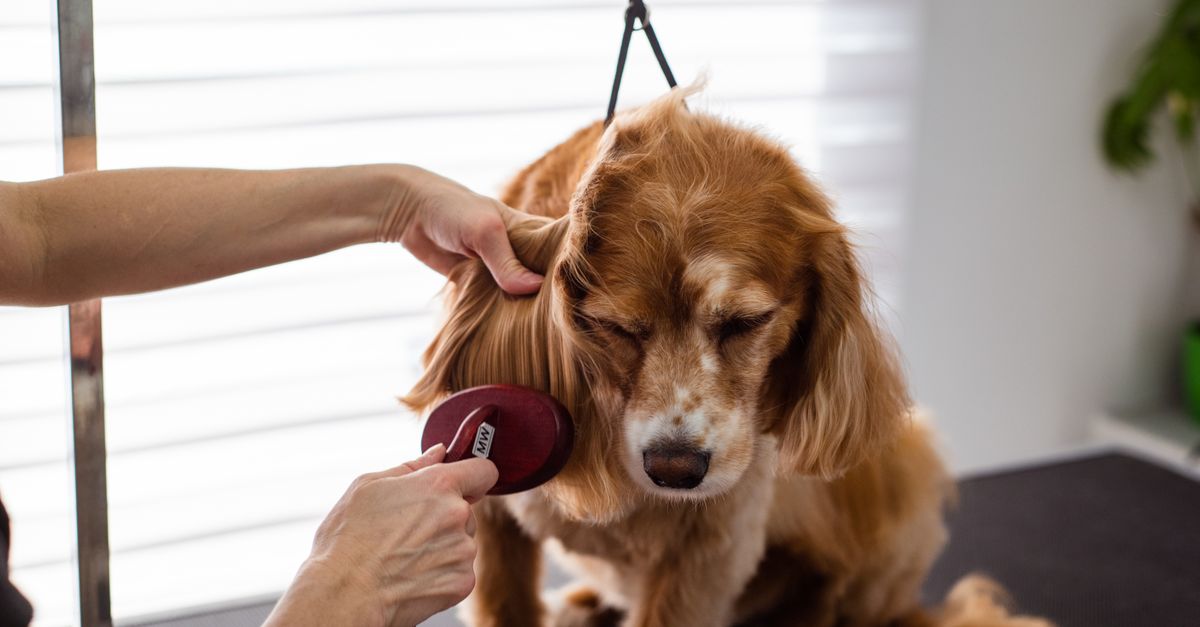
To reduce shedding during the spring season, use the right brushing tools and techniques. A slicker brush or a pin brush can help remove loose hair and distribute skin oils, reducing shedding and preventing matting. Regular grooming sessions, ideally 2-3 times a week, can also help reduce shedding.
Recommended brushing tools for spring shedding include a Furminator or a shedding rake, which can help remove loose hair and undercoat. By using the right tools and techniques, you can reduce your pet’s shedding and prevent related health issues. For more information on pet grooming tools, visit our article on Mastering Pet Grooming Tools for Healthy Coats.
Summer Shedding Prevention
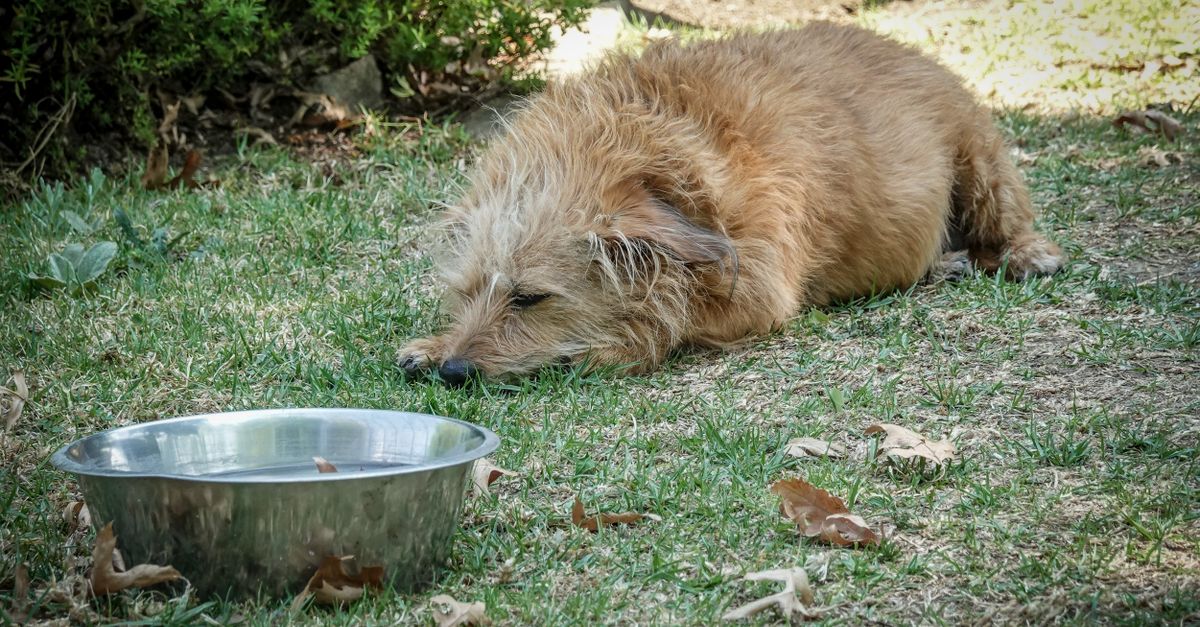
To prevent excessive shedding during the summer months, keep your pet cool and hydrated. Providing plenty of fresh water, shade, and cool surfaces can help reduce shedding and prevent heat-related health issues. Regular grooming sessions can also help remove loose hair and prevent matting.
Creating a Shedding-Reducing Routine

Brushing and Grooming Techniques
A step-by-step guide to brushing and grooming for shedding reduction includes regular grooming sessions, ideally 2-3 times a week, using the right brushing tools and techniques. This can help remove loose hair, distribute skin oils, and reduce shedding.
Recommended brushing tools and schedules include a slicker brush or a pin brush, used 2-3 times a week, and a Furminator or a shedding rake, used 1-2 times a week. By using the right tools and techniques, you can reduce your pet’s shedding and prevent related health issues. For more information on pet shedding reduction, visit our article on Mastering Pet Shedding Reduction.
Dietary Changes for Shedding Reduction
A balanced diet can help reduce shedding by providing essential nutrients and vitamins. A diet rich in omega-3 fatty acids, vitamin E, and zinc can help promote healthy skin and coat, reducing shedding and preventing related health issues.
Additional Tips and Recommendations
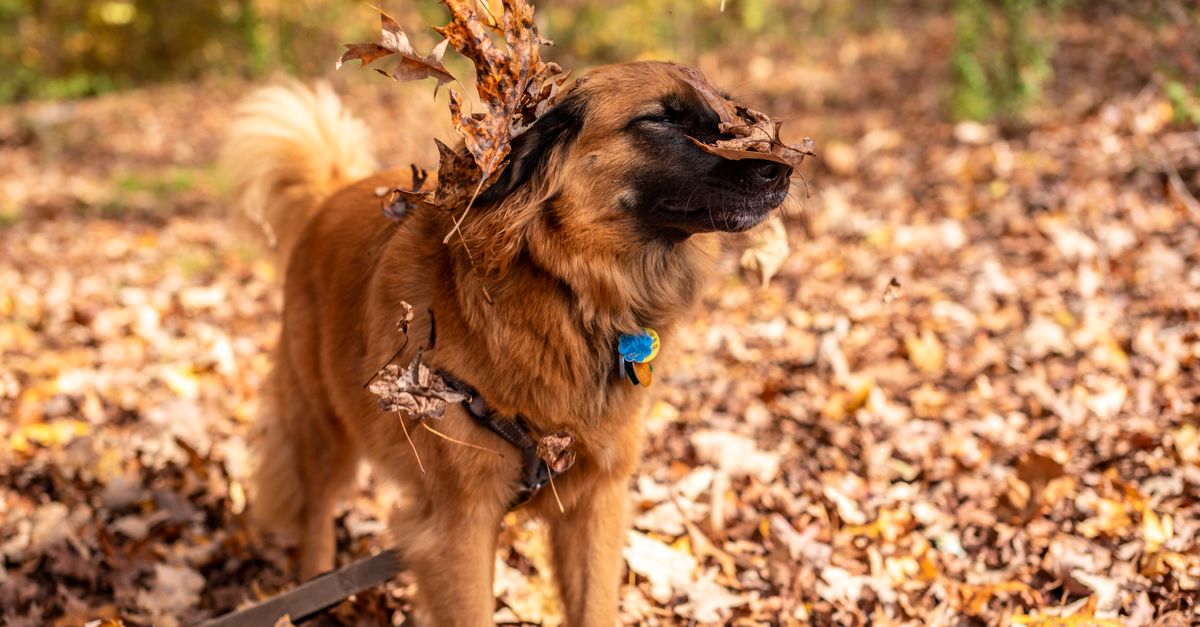
Shampoos and Conditioners for Shedding Pets
Recommended shampoos and conditioners for shedding pets include those containing omega-3 fatty acids, vitamin E, and zinc. These ingredients can help promote healthy skin and coat, reducing shedding and preventing related health issues.
Pro tip: Regular grooming sessions can help reduce shedding by up to 50%. By creating a shedding-reducing routine, you can reduce your pet’s hair and dander.
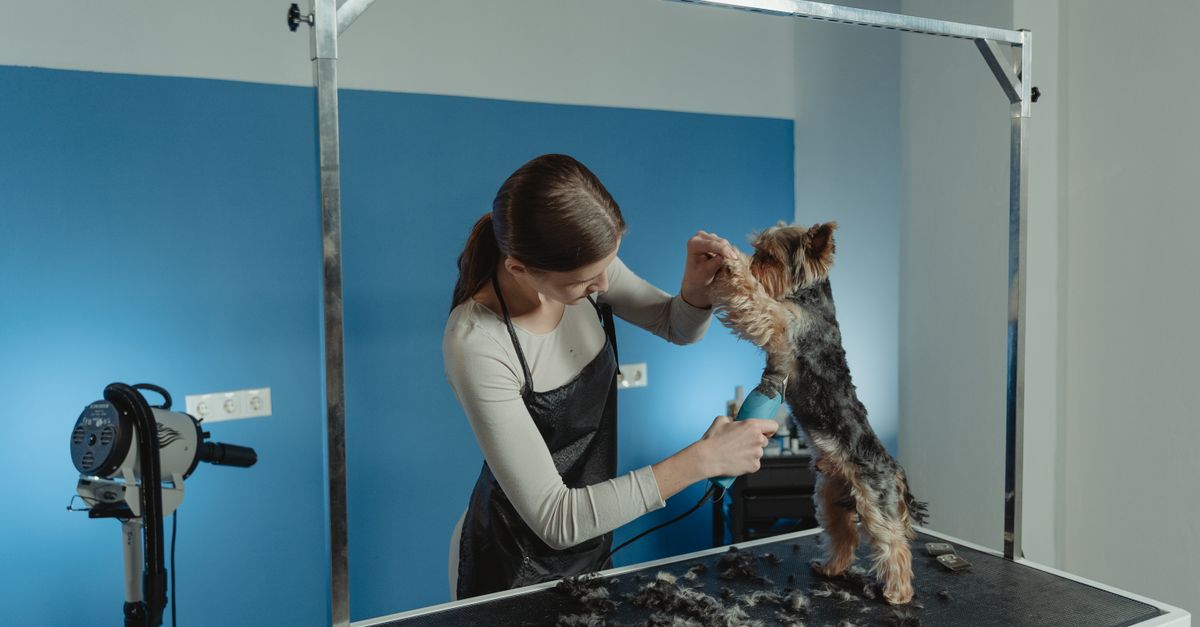
Frequently Asked Questions
Frequently asked questions about pet shedding seasons include what causes excessive shedding, how to prevent shedding during the spring season, and what are the best brushing tools for reducing shedding in pets with long coats. By understanding the answers to these questions, you can take proactive steps to reduce your pet’s shedding.
What are the most common causes of excessive shedding in pets?
The most common causes of excessive shedding in pets include humidity, temperature, and daylight hours. These factors can trigger the seasonal shedding cycle, leading to a significant shed of old hair. For more information on pet health, visit our article on Mastering Pet Skin Allergies Naturally.
How can I prevent my pet from shedding excessively during the spring season?
To prevent excessive shedding during the spring season, use the right brushing tools and techniques, provide a balanced diet, and keep your pet cool and hydrated. Regular grooming sessions can also help remove loose hair and prevent matting. For more information on pet grooming, visit our article on Mastering Pet Grooming Tools for Healthy Coats.
What are the best brushing tools for reducing shedding in pets with long coats?
The best brushing tools for reducing shedding in pets with long coats include a slicker brush, a pin brush, and a Furminator or a shedding rake. These tools can help remove loose hair, distribute skin oils, and reduce shedding. For more information on pet shedding, visit our article on Mastering Pet Shedding Reduction.
By understanding and managing pet shedding seasons, you can reduce your pet’s hair and dander, creating a more comfortable environment for both you and your pet. To use the right brushing tools and techniques, provide a balanced diet, and keep your pet cool and hydrated to prevent excessive shedding and related health issues. With the right approach, you can reduce your pet’s shedding and create a healthier environment.