

Mastering Pet Overweight Prevention Naturally
According to the Association for Pet Obesity Prevention, approximately 56% of dogs and 60% of cats in the United States are overweight or obese, making pet overweight prevention a key aspect of responsible pet ownership. As a pet owner, it is necessary to take proactive steps to ensure your pet maintains a healthy weight, reducing the risk of obesity-related diseases such as diabetes, heart disease, and joint problems. One effective way to achieve this is through natural methods of pet overweight prevention.
A key component of natural pet overweight prevention is a healthy diet. Feeding your pet a balanced and nutritious diet can help prevent obesity and related health issues. It is also important to be aware of the caloric intake of your pet’s food to ensure they are not consuming more calories than they need.
For more information on creating a healthy diet plan for your pet, consider consulting with a veterinarian or a certified animal nutritionist, or visit our article on Mastering Pet Nutrition Planning for guidance.
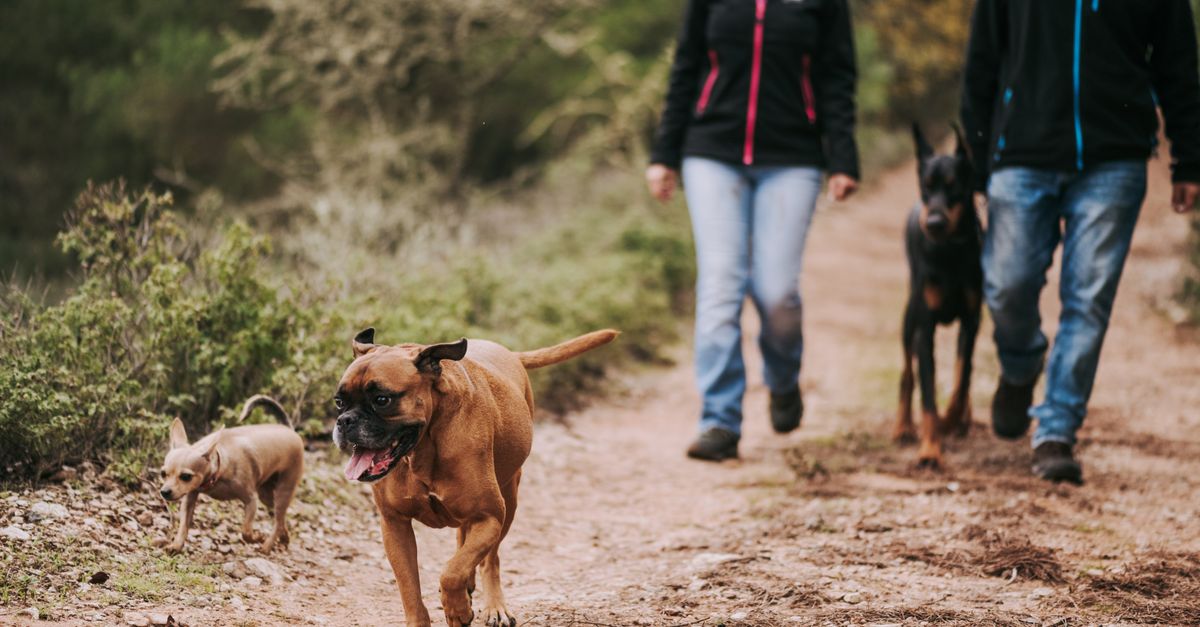
Another critical aspect of pet overweight prevention is regular exercise. Providing your pet with adequate physical activity can help them burn calories and maintain a healthy weight. This can include activities such as daily walks, runs, or playtime in the yard.
For pets that require more intense exercise, consider activities such as agility training or pet tunnel systems to keep them engaged and active.
Understanding Pet Obesity and Its Risks
Common Causes of Pet Obesity
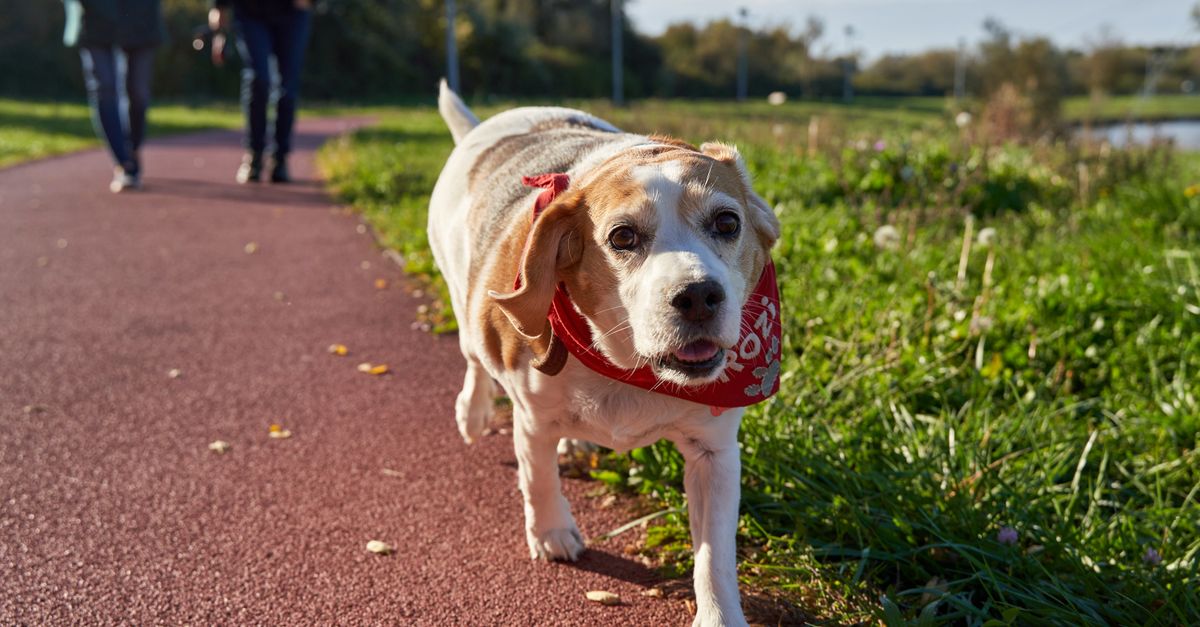
Overfeeding and under-exercising are two of the most common causes of pet obesity. Feeding your pet high-calorie treats or table scraps can lead to weight gain, while a lack of physical activity can prevent them from burning off excess calories.
Some pets may be more prone to obesity due to their breed or genetics. For example, certain breeds such as Labrador Retrievers and Pugs are more likely to become overweight due to their genetic predisposition.
Health Risks Associated with Pet Obesity
Pet obesity can lead to a range of serious health issues, including diabetes, heart disease, and joint problems. These conditions can significantly reduce your pet’s quality of life and even shorten their lifespan.
Obese pets are more likely to experience respiratory problems and skin infections, making it essential to address weight issues promptly. For more information on managing pet health issues, consider visiting our article on Mastering Pet Diabetes Care at Home or Mastering Pet Cardiac Care at Home.
Natural Methods for Pet Overweight Prevention

Healthy Diet Options for Pets
One of the most effective natural methods for pet overweight prevention is feeding a balanced and nutritious diet. This can include raw food diets or homemade meals made with wholesome ingredients.
When selecting a commercial pet food, look for high-protein and low-carb options that are free from fillers and by-products.
| Food Type | Pros | Cons |
|---|---|---|
| Raw Food Diets | High-protein, low-carb, and rich in nutrients | Can be expensive and require special handling |
| Homemade Meals | Customizable and cost-effective | Requires careful planning and nutritional balance |
| Commercial Pet Food | Convenient and widely available | May contain fillers and by-products, and be high in carbs |
Exercise and Playtime Strategies
Regular exercise and playtime are essential for maintaining a healthy weight in pets. This can include daily walks and runs, as well as playtime activities such as fetch or agility training.
Providing your pet with mental stimulation and training can help keep them engaged and active. For more information on creating a fun and engaging exercise routine for your pet, consider visiting our article on Mastering Pet Tunnel Systems for Fun and Exercise.

Creating a Weight Management Plan for Your Pet

Setting Realistic Goals and Monitoring Progress
Creating a weight management plan for your pet requires setting realistic goals and monitoring their progress. This can include measuring their weight and body condition score regularly, as well as adjusting their diet and exercise routine as needed.
It is essential to celebrate successes and overcome setbacks to keep your pet motivated and engaged in the weight management process. For more information on creating a weight management plan, consider visiting our article on How to Manage Pet Weight at Home Before It’s a Problem.
Pro tip: Consult with a veterinarian before making any significant changes to your pet’s diet or exercise routine to ensure a safe and effective weight management plan.

Overcoming Challenges and Staying on Track
Common Obstacles to Pet Weight Management
One of the most common obstacles to pet weight management is lack of time and motivation. With busy schedules and competing priorities, it can be challenging to find the time and energy to focus on your pet’s weight management.
Financial constraints and limited resources can make it difficult to provide your pet with the necessary diet and exercise to achieve a healthy weight. For more information on managing pet care costs, consider visiting our article on How to Build a Pet First Aid Kit That Actually Works.
Tips for Staying Motivated and Committed
To stay motivated and committed to your pet’s weight management plan, set reminders and schedule appointments with your veterinarian or a certified animal nutritionist.
Finding support and community through online forums or local pet support groups can provide valuable resources and encouragement. Finally, rewarding progress and milestones can help keep your pet motivated and engaged in the weight management process.

Frequently Asked Questions
Frequently asked questions about pet overweight prevention and weight management can provide valuable insights and guidance for pet owners. The following questions and answers address some of the most common concerns and queries.
What are the most common signs of pet obesity?
The most common signs of pet obesity include a visible weight gain, reduced energy levels, and difficulty breathing. Additionally, pets with obesity may exhibit joint pain and stiffness, as well as skin problems and infections.
How can I measure my pet’s body condition score?
Measuring your pet’s body condition score involves assessing their body fat percentage and muscle mass. This can be done by feeling their ribs, spine, and abdomen to determine the amount of fat and muscle present.
What are some healthy treat options for pets?
Healthy treat options for pets include fresh fruits and vegetables, such as carrots, green beans, and apples. Additionally, low-calorie commercial treats and homemade treats made with wholesome ingredients can provide a nutritious and delicious reward for your pet.
By following these tips and guidelines, you can help your pet achieve a healthy weight and reduce the risk of obesity-related diseases. To always consult with a veterinarian before making any significant changes to your pet’s diet or exercise routine, and to stay committed to their weight management plan for optimal health. With the right approach, you can help your pet live a long and healthy life.