
Pet Microchip Registration Made Easy
Every year, millions of pets go missing, and pet microchip registration can be a lifesaver. If your pet is microchipped, it’s necessary to register the microchip to ensure that you can be reunited with your pet if it ever gets lost. Pet microchip registration is a simple process that can be done online or by phone.
According to the American Humane Association, only about 22% of lost dogs that enter animal shelters are reunited with their owners. However, with pet microchip registration, the chances of recovery increase significantly. Microchipped pets are more likely to be returned to their owners, and registration ensures that the microchip is linked to your contact information.
Registering your pet’s microchip requires you to provide basic information, such as your pet’s name, breed, and description, as well as your contact information. You’ll also need to pay a registration fee, which varies depending on the microchip manufacturer and the registration service you choose.
Why Register Your Pet’s Microchip?

Benefits of Microchip Registration
Registering your pet’s microchip provides several benefits, including increased chances of recovery if your pet gets lost, permanent identification for your pet, and peace of mind for you as a pet owner. With a registered microchip, you can be sure that your pet’s identification is secure.
Registering your pet’s microchip can also help prevent pet theft and ensure that your pet receives proper care if it’s ever taken to a shelter or veterinary clinic. You can visit our article on reducing pet stress during vet visits for more information on how to keep your pet safe and secure.
Registering your pet’s microchip can also help you keep track of your pet’s veterinary care and vaccination history. You can find more information on managing your pet’s veterinary care in our article on mastering pet medication management.
How to Register Your Pet’s Microchip
Step-by-Step Registration Process
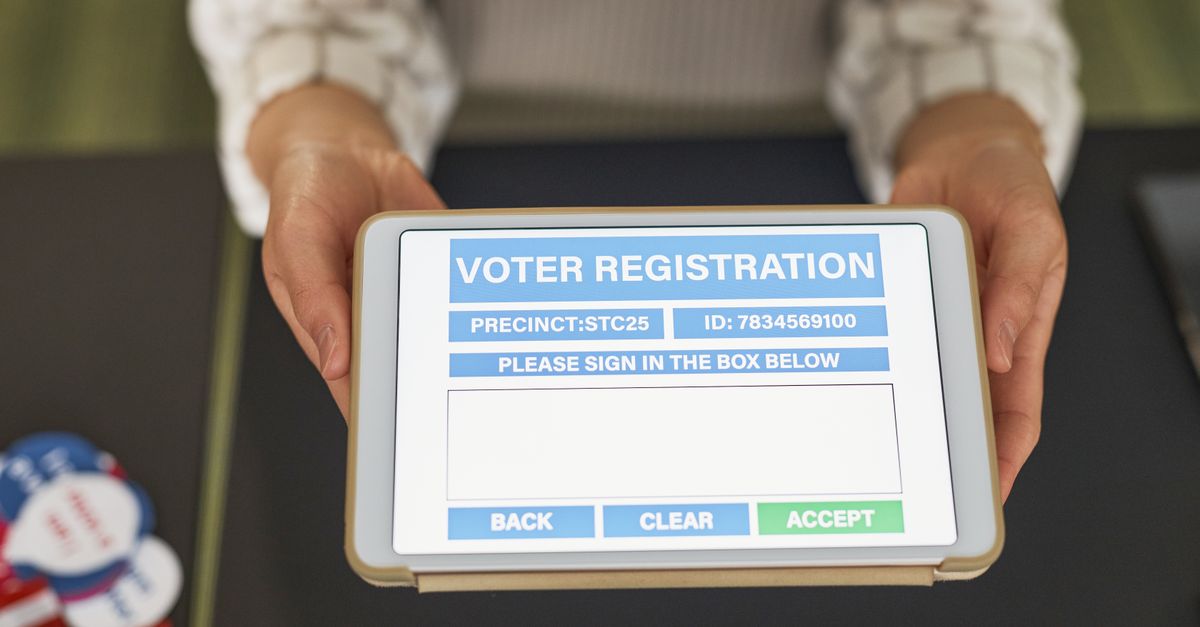
To register your pet’s microchip, you’ll need to contact the microchip manufacturer or a registration service and provide the required information. This typically includes your pet’s microchip number, name, breed, and description, as well as your contact information.
Once you’ve provided the necessary information, you’ll need to pay the registration fee, which can range from $10 to $50, depending on the registration service and the type of registration you choose. You can find more information on the costs associated with pet care in our article on the challenge of vet costs in the UK.
After you’ve completed the registration process, make sure to keep your registration information up to date, especially if you move or change your contact information. You can find more information on how to keep your pet’s records up to date in our article on building a pet first aid kit.
Comparing Microchip Registration Services
Factors to Consider
When choosing a microchip registration service, consider the cost of registration, ease of use, and customer support. You’ll also want to consider the type of registration you need, such as a basic registration or a premium registration with additional features.
Some popular microchip registration services include the American Kennel Club’s (AKC) Reunite program, the American Animal Hospital Association’s (AAHA) Microchip Lookup, and the HomeAgain microchip registration service. The following table compares the features and costs of these services:
| Registration Service | Cost | Features |
|---|---|---|
| American Kennel Club’s (AKC) Reunite | $19.95 | Basic registration, lost pet alerts, 24/7 customer support |
| American Animal Hospital Association’s (AAHA) Microchip Lookup | Free | Basic registration, microchip lookup, veterinary resources |
| HomeAgain | $19.99 | Premium registration, lost pet alerts, travel assistance, 24/7 customer support |
You can visit our article on pet insurance in France for more information on how to select the right insurance provider for your pet.
Common Mistakes to Avoid

Consequences of Not Registering
Failing to register your pet’s microchip can have serious consequences, including reduced chances of recovery if your pet gets lost and incomplete or inaccurate information in the event that your pet is found. You can find more information on how to prevent pet loss in our article on nailing a pet sleep routine.
Not registering your pet’s microchip can also lead to delayed reunification with your pet, as shelters and veterinary clinics may not be able to quickly identify your pet’s owner. You can find more information on how to keep your pet safe and secure in our article on pet fire safety.
Some microchip registration services may charge additional fees for late registration or updates to your registration information. You can find more information on how to manage your pet’s care costs in our article on managing pet weight at home.
Frequently Asked Questions
Frequently asked questions about pet microchip registration include what the cost of registration is, how long it takes to register a pet’s microchip, and what happens if you don’t register your pet’s microchip.
What is the cost of registering a pet’s microchip?
The cost of registering a pet’s microchip varies depending on the registration service and the type of registration you choose. Basic registration typically costs between $10 and $20, while premium registration can cost $50 or more.
How long does it take to register a pet’s microchip?
The registration process typically takes a few minutes to complete, and you can usually register your pet’s microchip online or by phone. Some registration services may require additional documentation or verification, which can take a few days to complete.
What happens if I don’t register my pet’s microchip?
If you don’t register your pet’s microchip, you may not be able to recover your pet if it gets lost. Unregistered microchips can make it difficult for shelters and veterinary clinics to identify your pet’s owner, and you may not receive notifications if your pet is found.
To keep your pet’s pet microchip registration information up to date, especially if you move or change your contact information. By registering your pet’s microchip and keeping the information current, you can ensure that your pet is protected and that you can be reunited with your pet if it ever gets lost. Regularly review your pet’s microchip registration information to ensure that it’s accurate and up to date.