
Mastering Pet Allergy Testing at Home Kits
Over 10% of pets suffer from allergies, and pet allergy testing kits are becoming increasingly popular among pet owners. If you suspect your pet has an allergy, using a pet allergy testing kit at home can be a convenient and cost-effective way to identify the culprit. We will compare different pet allergy testing kits, provide step-by-step instructions on how to use them, and guide you on how to interpret the results.
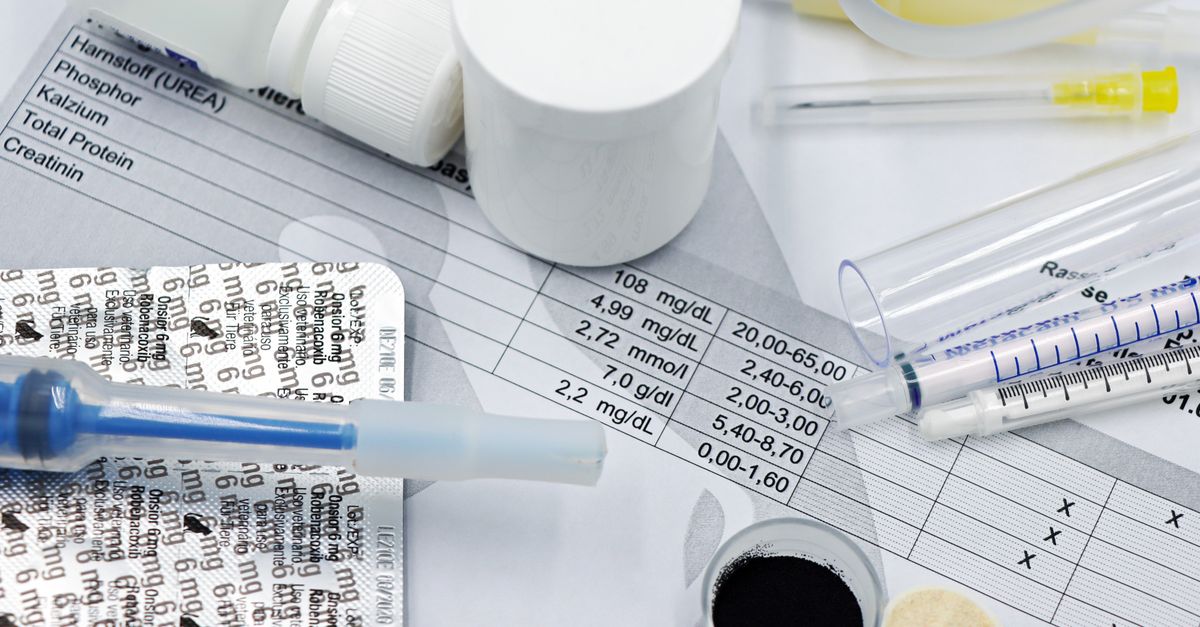
There are two main types of pet allergy testing kits: blood tests and skin tests. Blood tests measure the levels of allergen-specific antibodies in your pet’s blood, while skin tests involve injecting a small amount of an allergen into your pet’s skin and observing the reaction. Both types of tests have their pros and cons, and the choice ultimately depends on your pet’s specific needs and your personal preferences.
For more information on pet skin allergies, you can visit our article on Mastering Pet Skin Allergies Naturally.

Choosing the Right Pet Allergy Testing Kit
Types of Pet Allergy Testing Kits
Several pet allergy testing kits are available on the market, each with its own strengths and weaknesses. Some popular options include the PetAllergy Test Kit, the AllergyTest Kit, and the PetScan Allergy Test Kit. The prices of these kits vary, ranging from $50 to $200, depending on the type of test and the number of allergens included.
The PetAllergy Test Kit costs $99 and includes a comprehensive panel of 50 allergens, while the AllergyTest Kit costs $149 and includes a panel of 100 allergens. The accuracy of these kits also varies, with some kits claiming to have an accuracy rate of up to 95%.
Product Recommendations
Here is a comparison of some popular pet allergy testing kits:
| Kit Name | Price | Accuracy | Allergens Included |
|---|---|---|---|
| PetAllergy Test Kit | $99 | 90% | 50 |
| AllergyTest Kit | $149 | 95% | 100 |
| PetScan Allergy Test Kit | $199 | 92% | 150 |
Using Pet Allergy Testing Kits at Home

Step-by-Step Instructions
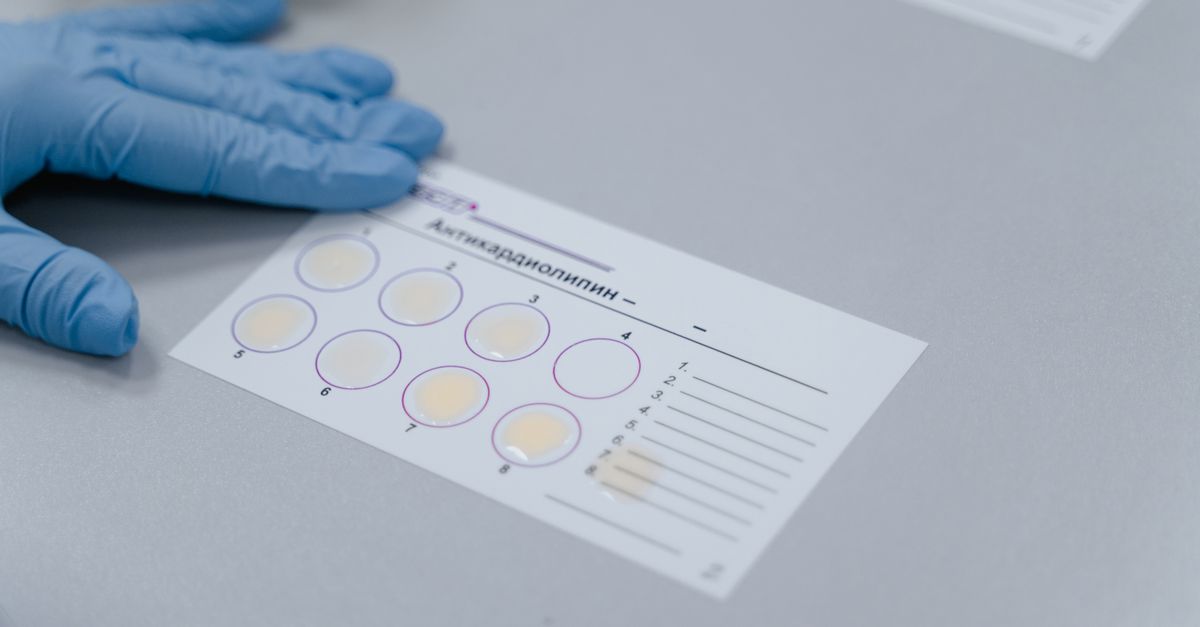
Using a pet allergy testing kit at home is relatively straightforward. First, you’ll need to collect a sample from your pet, usually a blood or skin sample. Next, you’ll need to follow the instructions provided with the kit to prepare the sample and send it to the lab for analysis.
Once you receive the results, you can use them to identify the allergens that are causing your pet’s symptoms. For more information on Mastering Pet First Aid Kits, you can visit our article to learn how to prepare for any situation.
Common Mistakes to Avoid
When using a pet allergy testing kit, there are several common mistakes to avoid. These include not following the instructions carefully and not handling the samples and testing materials hygienically.
- Not following the instructions carefully
- Not handling the samples and testing materials hygienically
- Not consulting with a veterinarian before starting treatment

Interpreting the Results and Next Steps

Understanding the Test Results
Once you receive the results of the pet allergy testing kit, you’ll need to interpret them to understand what they mean. The results will usually show which allergens your pet is reacting to, and the severity of the reaction.
You can then use this information to develop a treatment plan to help manage your pet’s symptoms. For more information on Mastering Pet Nutrition Planning, you can visit our article to learn how to create a personalized diet plan for your pet.
Consulting a Veterinarian
Consulting a veterinarian is a crucial step in the process of using a pet allergy testing kit. Your veterinarian can help you choose the right kit, interpret the results, and develop a treatment plan that’s tailored to your pet’s needs.
Pro tip: Always follow the manufacturer’s instructions when using a pet allergy testing kit, and consult a veterinarian if you have any questions or concerns.

Frequently Asked Questions
Frequently asked questions about pet allergy testing kits include what are the most common pet allergies, how accurate are pet allergy testing kits, and can I use a pet allergy testing kit on multiple pets.
What are the most common pet allergies?
The most common pet allergies are to environmental allergens such as pollen, dust, and mold, as well as food allergens such as beef, dairy, and soy. Every pet is different, and the specific allergens that affect your pet will depend on their individual health status and environment.
How accurate are pet allergy testing kits?
Pet allergy testing kits are generally accurate, but no kit is 100% accurate. The accuracy of the kit will depend on the type of test, the quality of the kit, and the individual pet’s health status.
Can I use a pet allergy testing kit on multiple pets?
It’s generally not recommended to use a pet allergy testing kit on multiple pets, as the results may not be accurate. Each pet’s health status and environment are unique, and using a kit on multiple pets could lead to false positives or false negatives.
Using a pet allergy testing kit can be a valuable tool in identifying and managing your pet’s allergies. By following the instructions carefully and consulting with a veterinarian, you can help your pet live a healthy life. To always prioritize your pet’s health and consult a veterinarian if you have any questions or concerns about using a pet allergy testing kit. With the right approach and resources, you can help your pet manage their allergy symptoms and thrive.