

Mastering Pet First Aid Kits
Every year, over 100,000 pets are injured or poisoned, highlighting the need for pet first aid kits in every home. As a responsible pet owner, it’s necessary to be prepared for emergencies and have the necessary supplies to provide immediate care. A well-stocked pet first aid kit can help you respond to common emergencies, such as bleeding, broken bones, and poisoning, until you can get your pet to a veterinarian.
A pet first aid kit is not a substitute for veterinary care, but it can help you stabilize your pet’s condition and prevent further injury. According to the American Animal Hospital Association, having a pet first aid kit on hand can significantly improve your pet’s chances of survival in an emergency. We’ll show you how to create a customized pet first aid kit and provide step-by-step instructions on how to respond to common emergencies.
Every pet is different, and their first aid needs may vary. For example, dogs may require more supplies for wound care, while cats may need more supplies for eye and ear care. By understanding your pet’s unique needs, you can create a pet first aid kit that’s tailored to their specific requirements. For more information on pet-specific care, check out our article on Mastering Pet Senior Care Essentials.
Creating a Pet First Aid Kit
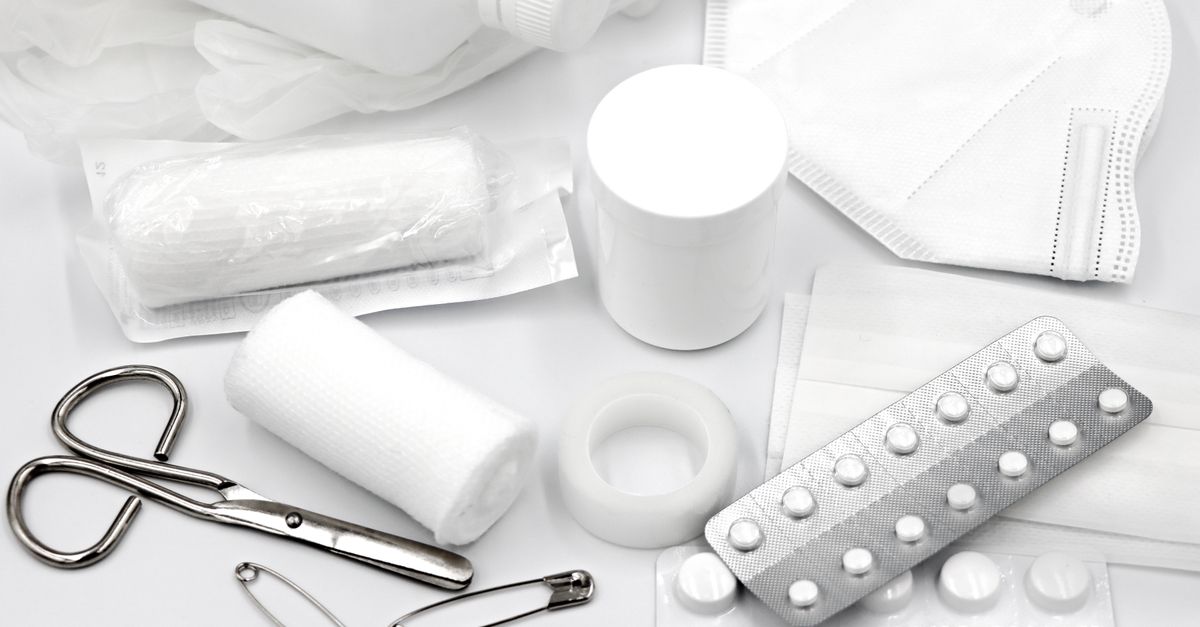
Essential Supplies
A basic pet first aid kit should include bandages, antiseptic wipes, tweezers, scissors, and a thermometer. You’ll also need a muzzle, a blanket, and a pet carrier. For a more comprehensive kit, consider adding supplies like eye wash, ear cleaning solution, and a first aid manual.
When selecting supplies, choose products that are specifically designed for pets. Human first aid supplies may not be suitable for your pet, and using them could do more harm than good.
Here’s a list of essential supplies to get you started:
- Bandages (assorted sizes)
- Antiseptic wipes (10-20)
- Tweezers
- Scissors
- Thermometer
- Muzzle
- Blanket
- Pet carrier
Customizing Your Kit
Once you have the basic supplies, you can customize your kit to meet your pet’s specific needs. For example, if your pet has a history of seizures, you may want to include a supply of rectal thermometers and a list of emergency contact numbers.
You should also consider the size and type of your pet when customizing your kit. For example, if you have a large dog, you may need to include larger bandages and a more sturdy muzzle.
Responding to Emergencies

Bleeding and Wounds
If your pet is bleeding or has a wound, act quickly to prevent further injury. First, apply gentle pressure to the wound using a clean cloth or bandage. If the bleeding is severe, you may need to use a tourniquet or apply pressure to the nearest artery.
Once you’ve stopped the bleeding, clean the wound with antiseptic wipes and apply a bandage to protect it from further injury. Monitor your pet’s condition closely and seek veterinary care as soon as possible.
Broken Bones and Sprains
If your pet has a broken bone or sprain, immobilize the affected area to prevent further injury. Use a splint or a cast to stabilize the bone, and apply ice to reduce swelling.
Monitor your pet’s condition closely and seek veterinary care as soon as possible. If you’re unsure about how to care for your pet’s broken bone or sprain, consider consulting with a veterinarian or a veterinary technician.
Common Emergencies

Poisoning
If you suspect your pet has ingested something toxic, act quickly to prevent further harm. Contact your veterinarian or a pet poison hotline immediately, and follow their instructions for inducing vomiting or administering an antidote.
Keep a list of emergency contact numbers, including your veterinarian and a pet poison hotline, in your pet first aid kit. You should also keep a supply of activated charcoal on hand, which can help absorb toxins and prevent further harm.
Choking
If your pet is choking, act quickly to clear their airway. Use the back of your hand to sweep the object out of their mouth, or use a pair of tweezers to carefully remove it.
Monitor your pet’s condition closely and seek veterinary care as soon as possible. If you’re unsure about how to care for your pet’s choking emergency, consider consulting with a veterinarian or a veterinary technician.
Pro Tips and Warnings

Always seek veterinary care in emergency situations, even if you have a well-stocked pet first aid kit. Your pet’s life may depend on it.
A pet first aid kit is not a substitute for veterinary care. If your pet is injured or ill, seek professional help as soon as possible. For more information on veterinary care, check out our article on Mastering Pet Telehealth for Convenience.
Frequently Asked Questions
Frequently asked questions about pet first aid kits and emergency care can help you better understand how to care for your pet in emergency situations. Here are a few common questions and answers to get you started.
What are the most common emergencies that require a pet first aid kit?
The most common emergencies that require a pet first aid kit include bleeding, broken bones, poisoning, and choking. These emergencies can be life-threatening if not treated promptly and properly.
How often should I update my pet first aid kit?
You should update your pet first aid kit every 6-12 months to ensure that all supplies are still usable and not expired. You should also check your kit regularly to make sure that all supplies are still included and that nothing is missing.
Can I use human first aid supplies on my pet?
No, you should not use human first aid supplies on your pet. Human first aid supplies may not be suitable for your pet, and using them could do more harm than good. Instead, use supplies that are specifically designed for pets, such as pet bandages and antiseptic wipes.
Having a well-stocked pet first aid kit and knowing how to respond to common emergencies can help you care for your pet in emergency situations. To always seek veterinary care if your pet is injured or ill, and to update your pet first aid kit regularly to ensure that all supplies are still usable and not expired. By being prepared and taking the right steps, you can help keep your pet safe and healthy.