
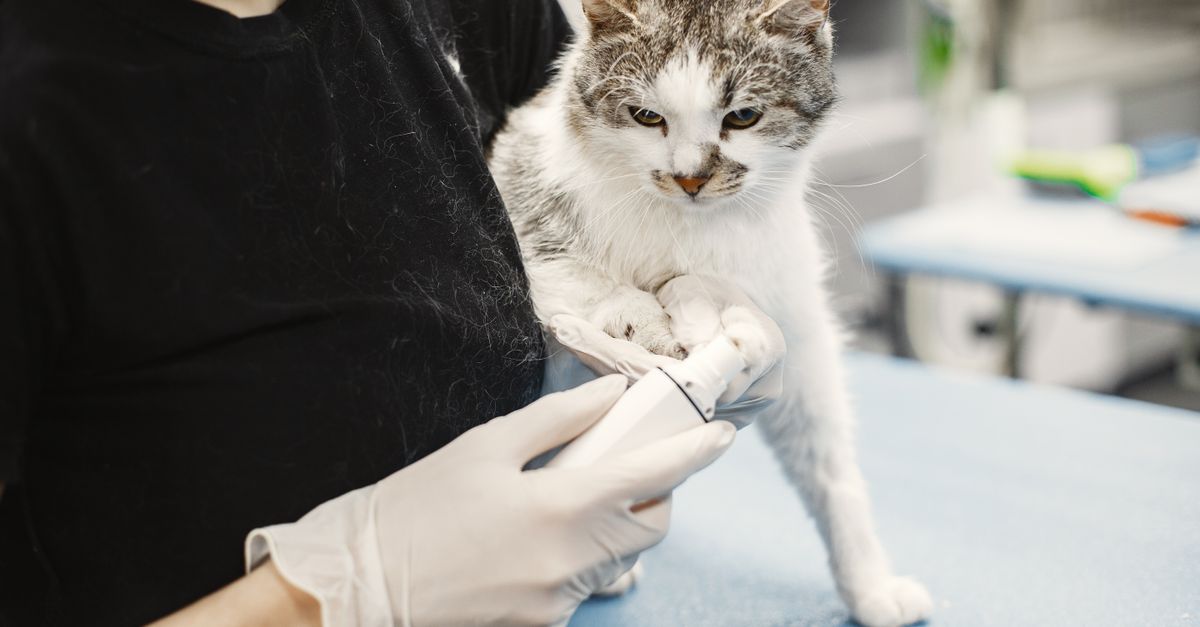
Mastering Pet Diabetes Care at Home
According to the American Animal Hospital Association, approximately 1 in 300 dogs and 1 in 50 cats develop pet diabetes each year. If your pet has been diagnosed with diabetes, managing their condition requires a comprehensive approach that includes diet, exercise, and medication. Pet diabetes care at home can be challenging, but with the right guidance, you can help your pet manage their condition effectively.
Diabetes in pets is a serious condition that requires careful management to prevent complications. As a pet owner, it is necessary to understand the different types of diabetes, their causes, and symptoms to provide the best possible care for your pet. Regular monitoring of blood sugar levels and adjusting the care plan as needed is critical for managing pet diabetes.
The key to successful pet diabetes care is working closely with your veterinarian to develop a personalized care plan. This plan should include a balanced diet, regular exercise, and medication to regulate blood sugar levels. By following this plan and making adjustments as needed, you can help your pet manage their diabetes.
Understanding Pet Diabetes

Types of Pet Diabetes
Pet diabetes is classified into two main types: type 1 and type 2. Type 1 diabetes is an autoimmune disease that destroys the cells in the pancreas responsible for producing insulin, while type 2 diabetes is a metabolic disorder that affects the body’s ability to regulate blood sugar levels. Understanding the type of diabetes your pet has is necessary for developing an effective care plan.
Diagnosing Pet Diabetes
Diagnosing pet diabetes typically involves a physical examination, complete medical history, and laboratory tests such as urine analysis and blood glucose testing. Regular check-ups with your veterinarian are essential for monitoring your pet’s condition and making adjustments to their care plan as needed. For more information on pet health and regular check-ups, visit our website.
Managing Pet Diabetes through Diet

Choosing the Right Pet Food
The right diet is critical for managing pet diabetes. When choosing a pet food, consider the following factors: high fiber content, moderate protein content, and low carbohydrate content. The following table compares different types of pet food suitable for diabetic pets:
| Pet Food Type | Fiber Content | Protein Content | Carbohydrate Content |
|---|---|---|---|
| Hill’s Prescription Diet | High | Moderate | Low |
| Royal Canin Diabetic | High | Moderate | Low |
| Purina Pro Plan Diabetic | Moderate | High | Low |
For more information on pet nutrition and diet, visit our website.
Creating a Meal Plan
Creating a meal plan for your diabetic pet involves working with your veterinarian to determine the best diet and feeding schedule for your pet’s specific needs. Monitoring food intake and adjusting the meal plan as needed is critical for managing pet diabetes effectively. Consider consulting with a veterinarian or a pet nutritionist for personalized advice.
Managing Pet Diabetes through Exercise

Benefits of Exercise for Diabetic Pets
Regular exercise is critical for managing pet diabetes. Exercise helps regulate blood sugar levels, improves insulin sensitivity, and reduces the risk of complications. Suitable activities for diabetic pets include short walks, playtime, and gentle exercises such as stretching and massage. For more information on pet exercise and outdoor activities, visit our website.
Creating an Exercise Plan
Creating an exercise plan for your diabetic pet involves working with your veterinarian to determine the best activities and schedule for your pet’s specific needs. Monitoring exercise levels and adjusting the plan as needed is critical for managing pet diabetes effectively. Consider consulting with a veterinarian or a pet fitness expert for personalized advice.
Managing Pet Diabetes through Medication

Types of Medication
Medication is a crucial component of pet diabetes care. The most common medication used to manage pet diabetes is insulin, which helps regulate blood sugar levels. Other medications may be prescribed to manage related health issues, such as high blood pressure or kidney disease. For more information on pet medication management, visit our website.
Administering Medication
Administering medication to your diabetic pet requires careful attention to detail and a consistent routine. The following steps provide a general guide for administering insulin to pets:
- Gather the necessary supplies, including the insulin, syringe, and needle.
- Prepare the insulin by rolling the vial between your hands to mix the contents.
- Draw the insulin into the syringe, making sure to follow the prescribed dosage.
- Inject the insulin into the pet’s skin, usually in the neck or back area.
- Monitor your pet’s response to the medication and adjust the dosage as needed.
For more information on pet health and medication management, visit our website.
Monitoring and Adjusting Care
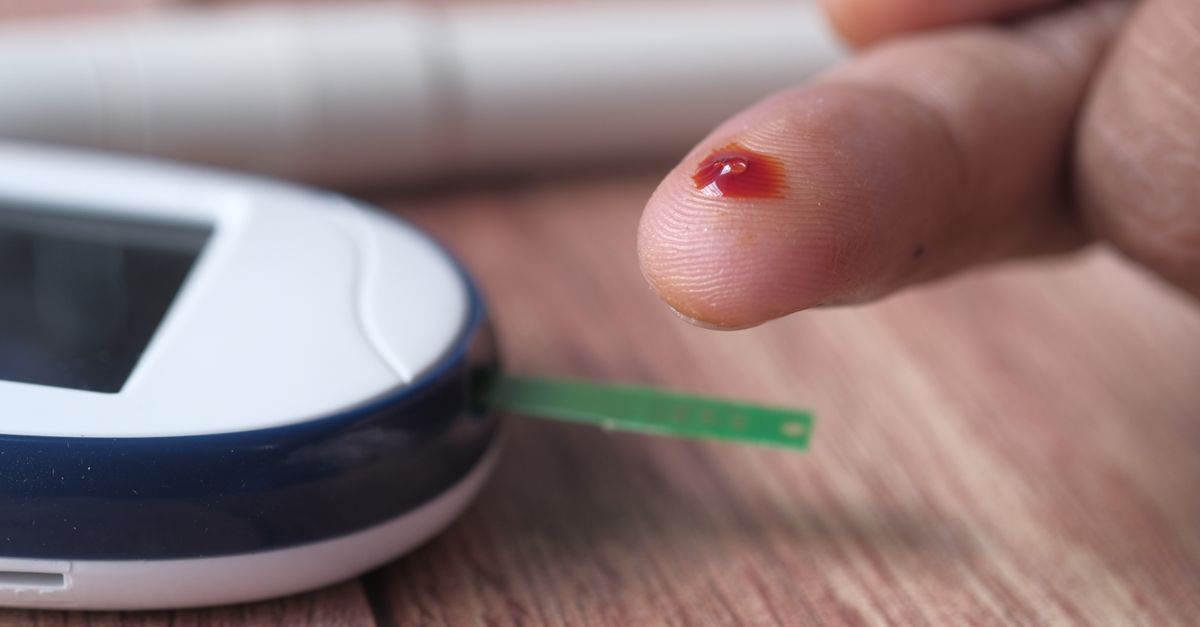
Blood Sugar Monitoring
Regular blood sugar monitoring is critical for managing pet diabetes. Monitoring helps you track your pet’s blood sugar levels, adjust their medication and diet, and prevent complications. The following tips provide guidance on monitoring blood sugar levels at home:
- Use a glucometer specifically designed for pets.
- Follow the manufacturer’s instructions for use.
- Take multiple readings throughout the day to track changes in blood sugar levels.
For more information on pet health and monitoring, visit our website.
Adjusting Care as Needed
Adjusting your pet’s care plan as needed is critical for managing pet diabetes effectively. Regular monitoring of blood sugar levels, food intake, and exercise levels helps you identify changes in your pet’s condition and make adjustments to their care plan accordingly.
Pro tip: Regular monitoring of blood sugar levels is crucial to managing pet diabetes effectively. Work with your veterinarian to determine the best monitoring schedule for your pet.
Frequently Asked Questions
Frequently asked questions about pet diabetes provide valuable insights into managing the condition. The following questions and answers provide guidance on common concerns and issues related to pet diabetes.
What are the common signs and symptoms of pet diabetes?
The common signs and symptoms of pet diabetes include increased thirst and urination, weight loss, and changes in appetite. If you notice any of these symptoms in your pet, consult with your veterinarian for a proper diagnosis and care plan.
How often should I monitor my pet’s blood sugar levels?
The frequency of blood sugar monitoring depends on your pet’s individual needs and condition. Your veterinarian can provide guidance on the best monitoring schedule for your pet.
Can I give my pet human food if they have diabetes?
No, human food is not suitable for diabetic pets. Human food can be high in carbohydrates, sugar, and salt, which can exacerbate the condition. Stick to a balanced and nutritious commercial pet food specifically formulated for diabetic pets.
By following these tips and working closely with your veterinarian, you can help your diabetic pet manage their condition effectively. To stay informed and adjust their care plan as needed to ensure the best possible outcome for your pet. For more information on introducing a new pet to your home or managing pet health, visit our website.