
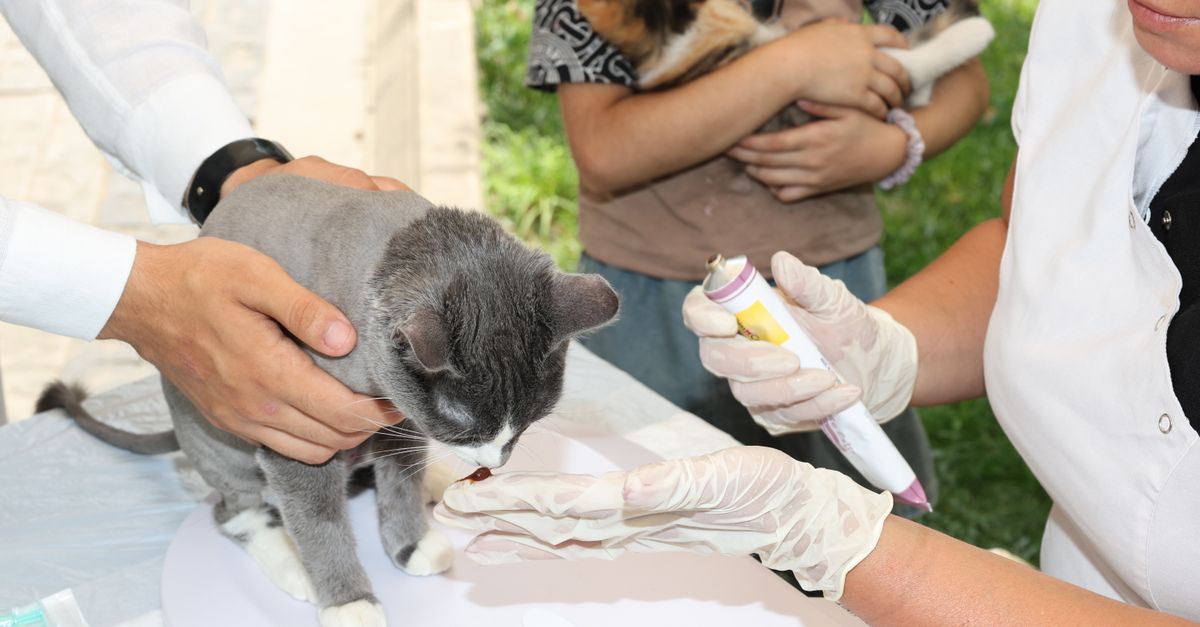
Mastering Pet Medication Management
According to the American Animal Hospital Association, approximately 1 in 5 pets experience medication errors, highlighting the importance of proper pet medication management. As a pet owner, it’s crucial to understand how to manage your pet’s medications safely and effectively to prevent such errors. Pet medication management involves not only administering medications correctly but also storing them safely and monitoring your pet’s response to treatment.
Medication errors can have severe consequences, including adverse reactions, worsening of underlying conditions, and even death. It’s critical to take pet medication management seriously and follow the guidance of your veterinarian to ensure your pet receives the best possible care. By doing so, you can help prevent medication errors and ensure your pet receives proper treatment.
The key to successful pet medication management lies in attention to detail, careful planning, and a thorough understanding of your pet’s specific needs. Whether your pet is taking medications for a chronic condition or a short-term illness, it’s crucial to follow the prescribed treatment plan and monitor their response to treatment closely.
Introduction to Pet Medication Management

Importance of Proper Medication Management
Proper pet medication management is critical to preventing medication errors and ensuring your pet receives the best possible care. According to the FDA, medication errors are a leading cause of adverse reactions in pets, highlighting the need for careful attention to medication administration and storage.
Statistics on pet medication errors are alarming, with approximately 1 in 10 pets experiencing an adverse reaction to medication. This underscores the importance of careful pet medication management and the need for pet owners to be vigilant when administering medications to their pets.
Types of Pet Medications
There are various types of pet medications available, each designed to treat specific health conditions. For example, antibiotics are used to treat bacterial infections, while anti-inflammatory medications are used to treat pain and inflammation. Your veterinarian will prescribe the most appropriate medication for your pet’s specific needs.
For more information on pet health conditions and treatments, visit our article on Mastering Pet Wound Care at Home.
Administering Pet Medications
Tips for Giving Your Pet Medication
Administering pet medications can be challenging, especially if your pet is resistant to taking pills. To make medication time less stressful for your pet, try using a pill pocket or hiding the medication in a treat.
You can also try using a medication dispenser to make administering medications easier and less stressful for your pet. For more information on pet stress reduction, visit our article on How to Reduce Pet Stress During Vet Visits.
Common Mistakes to Avoid
Common mistakes in pet medication administration include giving the wrong dosage, administering medications at the wrong time, and failing to monitor your pet’s response to treatment.
To administer pet medications correctly, follow these steps:
- Read the label carefully and follow the prescribed dosage instructions.
- Use a medication measuring device to ensure accuracy.
- Administer the medication at the same time each day to establish a routine.
Storing and Traveling with Pet Medications

Safe Storage Options
Storing pet medications safely is critical to preventing medication errors and keeping your pet safe. There are various storage options available, including medication cabinets, pet medication boxes, and travel cases.
When storing pet medications, it’s essential to keep them in a cool, dry place, away from direct sunlight and moisture. You should also keep medications out of reach of children and pets to prevent accidental ingestion.
Traveling with Pet Medications
Traveling with pet medications requires careful planning and attention to detail. Before traveling, be sure to check with your veterinarian for guidance on traveling with medications and obtain any necessary documentation, such as a medication letter.
You should also pack medications in their original containers and keep them in a medication travel case to prevent damage and loss. For more information on pet travel, visit our article on Pet Sun Protection: Safe Outdoor Fun.
Monitoring Your Pet’s Response to Treatment
Signs of Adverse Reactions
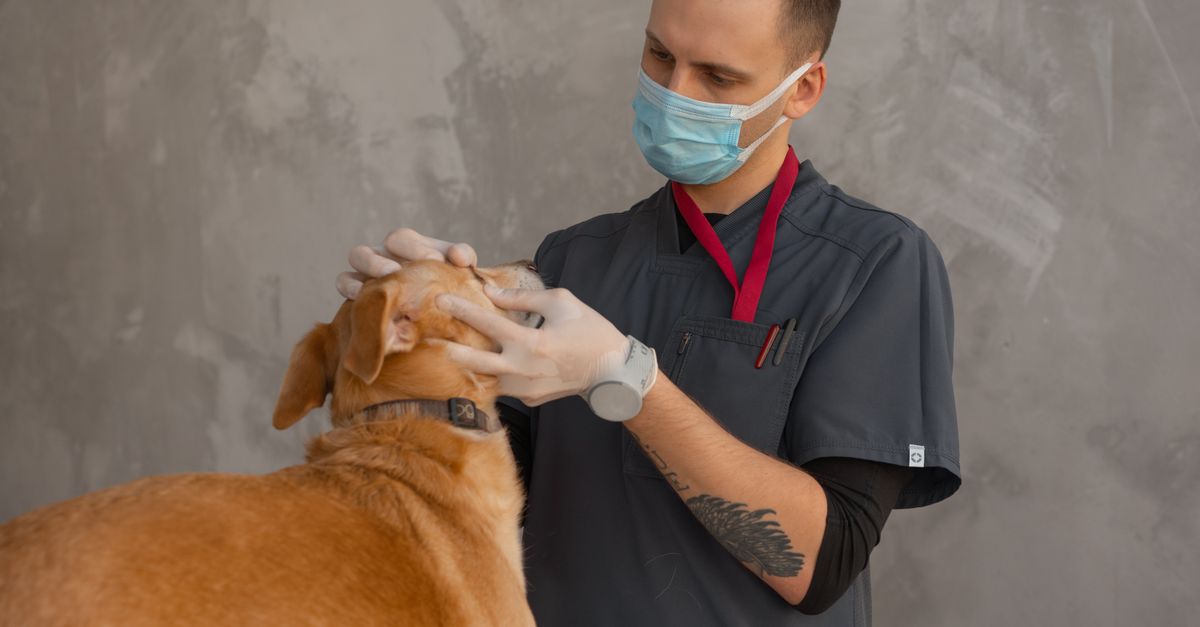
Monitoring your pet’s response to treatment is critical to identifying potential adverse reactions and adjusting the treatment plan as needed. Common signs of adverse reactions include vomiting, diarrhea, lethargy, and changes in appetite or behavior.
If you notice any of these signs, contact your veterinarian immediately for guidance. For more information on pet health monitoring, visit our article on How to Read Your Pet’s Body Language at Home.
Adjusting Medication Regimens
Adjusting medication regimens may be necessary if your pet experiences an adverse reaction or fails to respond to treatment. Your veterinarian will work with you to adjust the dosage, switch to a different medication, or add additional therapies as needed.
By working closely with your veterinarian and following their guidance, you can help ensure your pet receives the best possible care and achieves the desired treatment outcomes. For more information on pet care, visit our article on Pet Grooming Tips: Easy At-Home Care.
Pro Tip and Warning
“Always consult with your veterinarian before making any changes to your pet’s medication regimen, and never give your pet human medications without consulting with a veterinarian first.”
This warning is especially important, as human medications can be toxic to pets and cause serious harm. By following this warning and working closely with your veterinarian, you can help ensure your pet’s safety and well-being.
Frequently Asked Questions
Frequently asked questions about pet medication management include concerns about administration, storage, and monitoring. Below, we address some of the most common questions pet owners have about pet medication management.
What are the most common mistakes in pet medication management?
Common mistakes in pet medication management include giving the wrong dosage, administering medications at the wrong time, and failing to monitor your pet’s response to treatment.
How can I make medication time less stressful for my pet?
To make medication time less stressful for your pet, try using a pill pocket or hiding the medication in a treat. You can also try using a medication dispenser to make administering medications easier and less stressful for your pet.
What should I do if I miss a dose of my pet’s medication?
If you miss a dose of your pet’s medication, contact your veterinarian immediately for guidance. They will advise you on the best course of action and help you get back on track with your pet’s treatment plan.
By following the guidance of your veterinarian and staying organized, you can help ensure your pet leads a healthy life through proper pet medication management. To always prioritize your pet’s safety and well-being, and don’t hesitate to reach out to your veterinarian if you have any questions or concerns about pet medication management. Effective pet medication management requires attention to detail and careful planning, but with the right approach, you can help your pet receive the best possible care.