
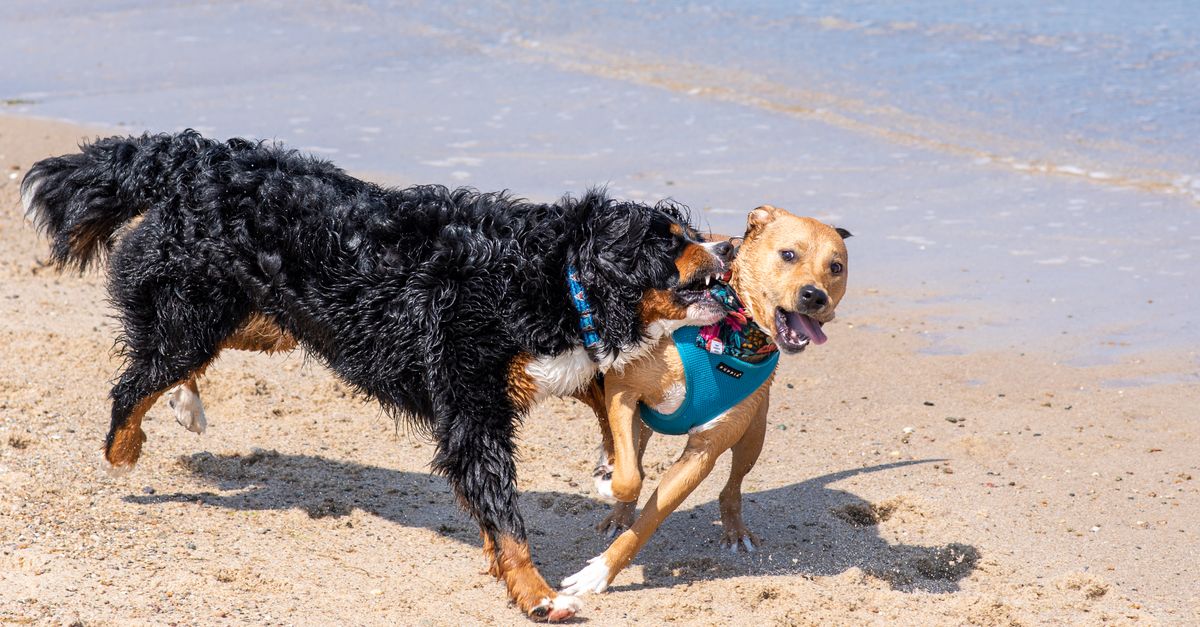
Pet Sun Protection: Safe Outdoor Fun
Every year, over 60,000 pets are diagnosed with skin cancer due to excessive sun exposure, highlighting the importance of pet sun protection. As a responsible pet owner, it’s critical to understand the risks associated with sun exposure and take necessary precautions to ensure your pet’s safety. Pet sun protection involves more than just applying sunscreen; it also requires being mindful of your pet’s overall health during outdoor activities.
Sun exposure can lead to severe health issues in pets, including skin cancer and heatstroke. According to the American Animal Hospital Association, pets can suffer from heatstroke when their body temperature exceeds 104°F (40°C). Recognizing the signs of heatstroke, such as excessive panting, drooling, and lethargy, is crucial, and immediate action must be taken to provide a cool and safe environment.
Preventing sun-related illnesses in pets requires a combination of sun protection measures, including the use of pet-specific sunscreen. Human sunscreen is not suitable for pets, as it can be toxic and cause severe reactions. Instead, opt for a pet-specific sunscreen designed for your pet’s skin type and needs.
Understanding Pet Sun Protection
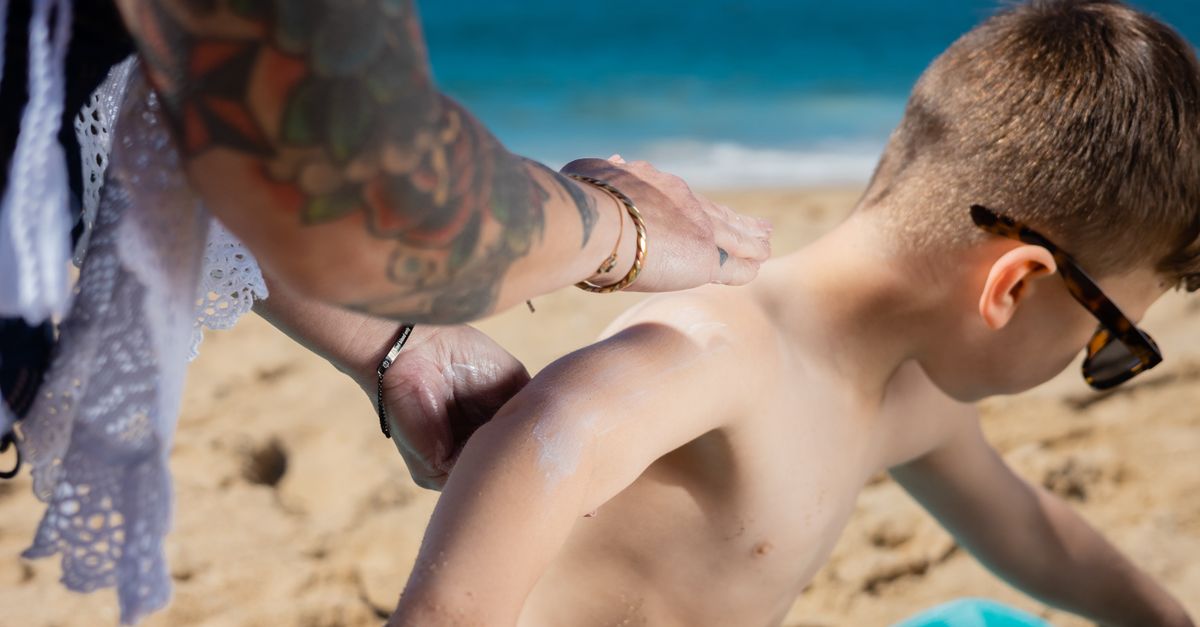
Risks of Sun Exposure for Pets
Skin cancer is a significant risk for pets that spend excessive time outdoors without proper sun protection. The American Veterinary Medical Association reports that over 60,000 pets are diagnosed with skin cancer every year. Heatstroke is another severe risk associated with sun exposure, and it can be fatal if not treated promptly.
Pets with light-colored coats are more susceptible to skin cancer due to their lack of melanin, which provides natural protection against the sun’s harmful rays. Pets with pre-existing medical conditions, such as heart disease or respiratory issues, are more prone to heatstroke.
Consulting with your veterinarian is necessary to determine the best course of action for protecting your pet from sun-related illnesses. Your veterinarian can provide personalized recommendations based on your pet’s breed, age, and health status. For more information on pet health, visit our article on Pet Eye Care Essentials.
Importance of Pet-Specific Sunscreen
Pet-specific sunscreen provides protection against the sun’s harmful rays without causing harm to your pet’s skin. Human sunscreen can be toxic to pets and cause severe reactions, including vomiting, diarrhea, and organ failure.
The following table compares human and pet-specific sunscreen:
| Ingredient | Human Sunscreen | Pet-Specific Sunscreen |
|---|---|---|
| Zinc Oxide | Toxic to pets | Not recommended |
| SPF | High SPF (30-50) | Lower SPF (15-30) |
| Chemical Active Ingredients | Yes | No |
When choosing a pet-specific sunscreen, look for products labeled as “non-toxic” and “pet-safe.” You can also consult with your veterinarian for recommendations on the best sunscreen for your pet. For more information on pet wound care, visit our article on Mastering Pet Wound Care at Home.
Applying Sunscreen to Pets

Step-by-Step Guide
Applying sunscreen to pets can be challenging, but with the right approach, it can be a stress-free experience for both you and your pet. Choose a quiet and comfortable location where your pet can relax and feel secure.
Select a pet-specific sunscreen suitable for your pet’s skin type and needs. Apply a small amount of sunscreen to your pet’s nose, ears, and any exposed skin areas, using a gentle motion. For more information on pet grooming, visit our article on Pet Grooming Tips: Easy At-Home Care.
Choosing the Right Sunscreen
When choosing a pet-specific sunscreen, look for products labeled as “non-toxic” and “pet-safe.” You can also consult with your veterinarian for recommendations. Some key ingredients to look for in pet-specific sunscreen include:
- Aloe vera
- Vitamin E
- Green tea extract
These ingredients provide natural protection against the sun’s harmful rays and can help soothe and calm your pet’s skin. For more information on pet nutrition, visit our article on How to Manage Pet Weight at Home Before It’s a Problem.
Pet-Friendly Outdoor Activities
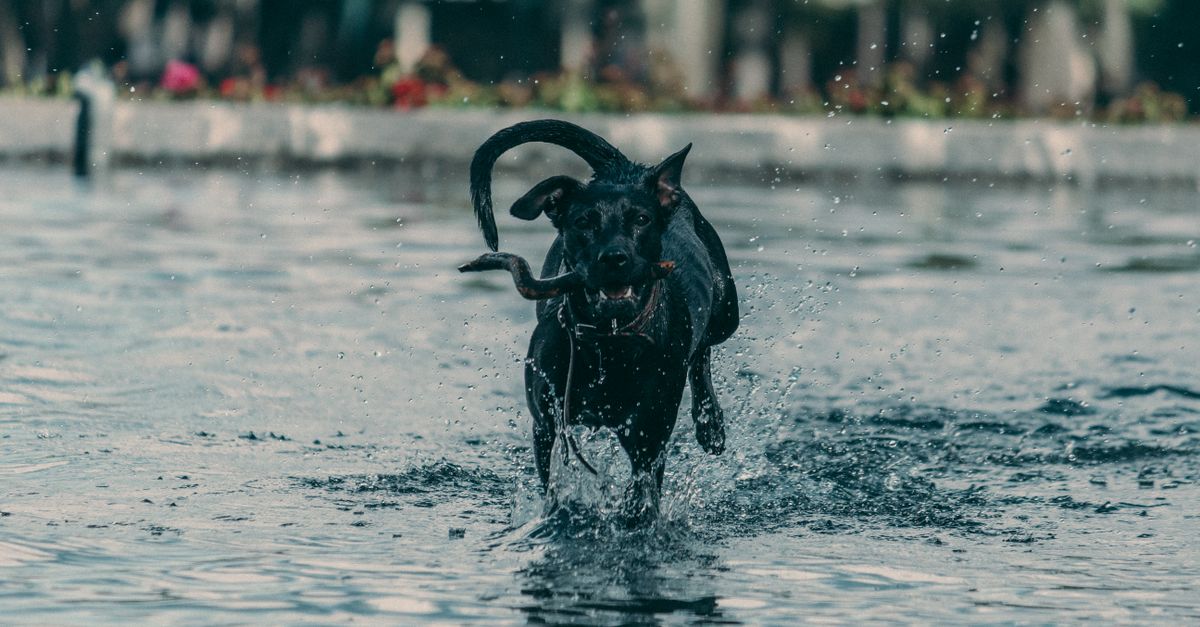
Safe Fun in the Sun
Engaging in outdoor activities with your pet can be fun, but it’s essential to prioritize your pet’s safety and well-being. Some pet-friendly outdoor activities include:
- Hiking
- Swimming
- Playing fetch
Provide shade and water to prevent heatstroke and dehydration. You can also use pet-friendly outdoor toys and accessories, such as cooling vests and sunhats, to keep your pet cool and comfortable. For more information on pet summer safety, visit our article on Pet Summer Safety: Heatstroke Prevention Tips.
Outdoor Toys and Accessories
Pet-friendly outdoor toys and accessories can help keep your pet cool and comfortable during outdoor activities. Some popular options include:
- Cooling vests
- Sunhats
- Portable water bowls
These products provide natural protection against the sun’s harmful rays and help prevent heatstroke and dehydration. For more information on pet care, visit our article on How to Build a Pet First Aid Kit That Actually Works.
Pro Tips and Warnings
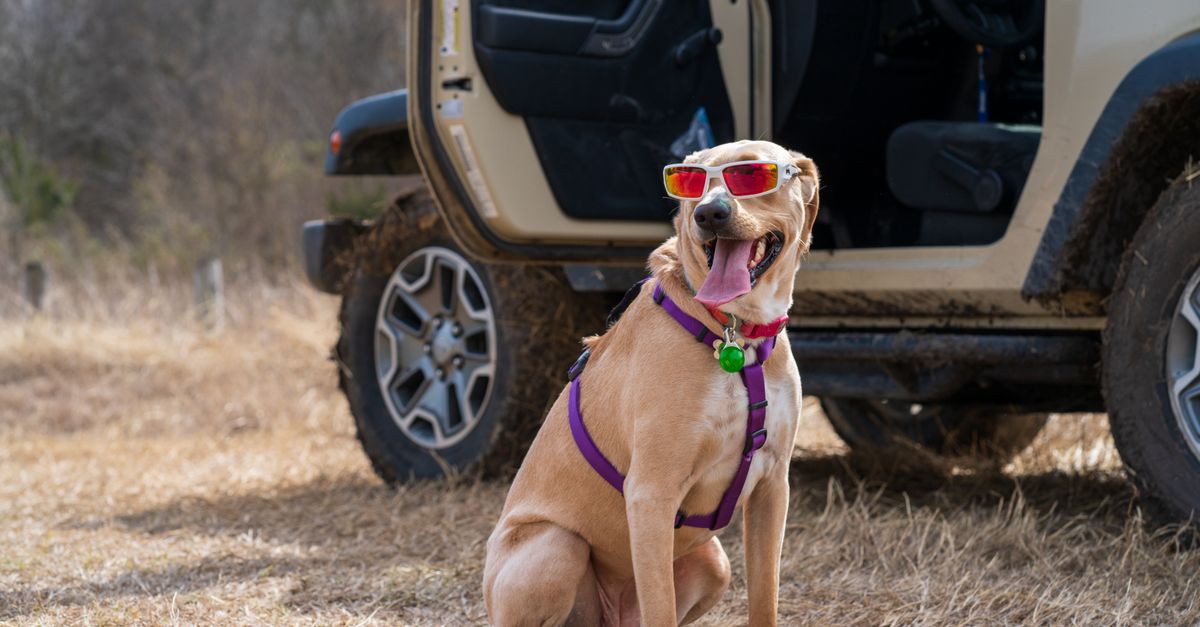
Warning: Never use human sunscreen on pets, as it can be toxic and cause severe reactions.
Pro tip: Always apply sunscreen to pets 15-30 minutes before outdoor activities to ensure maximum protection.
Monitor your pet’s behavior and watch for signs of heatstroke, such as excessive panting, drooling, and lethargy. If you suspect your pet has heatstroke, seek veterinary attention immediately. For more information on pet emergency care, visit our article on Mobile Dog Euthanasia: Compassionate End-of-Life Care at Home.
Frequently Asked Questions
Frequently asked questions about pet sun protection can help you better understand how to keep your pet safe and healthy during outdoor activities. Below, we’ve answered some common questions about pet sun protection.
Can I use human sunscreen on my pet in an emergency?
No, it’s not recommended to use human sunscreen on pets, even in an emergency. Human sunscreen can be toxic to pets and cause severe reactions. Instead, opt for a pet-specific sunscreen designed for your pet’s skin type and needs.
How often should I apply sunscreen to my pet during outdoor activities?
Apply sunscreen to your pet every 2-3 hours during outdoor activities, or as directed by the product label. You can also reapply sunscreen after your pet swims or gets wet.
What are the signs of sun-related illness in pets, and what should I do if I suspect my pet has heatstroke?
Signs of sun-related illness in pets include excessive panting, drooling, lethargy, and vomiting. If you suspect your pet has heatstroke, seek veterinary attention immediately. Provide a cool and safe environment for your pet, such as a shaded area with plenty of water.
By following these tips and guidelines, you can help keep your pet safe and healthy during outdoor activities. To always prioritize your pet’s pet sun protection and take necessary precautions to prevent heatstroke and dehydration. With the right knowledge and precautions, you and your pet can enjoy the outdoors together, safely and happily.