
How to Reduce Pet Stress During Vet Visits
Your cat has been hiding under the bed since you got the carrier out. Your dog started panting the moment you pulled into the parking lot. Sound familiar? Vet visit stress is one of the most common — and most fixable — problems pet owners deal with, yet most people don’t start preparing until they’re already in the waiting room. By then, you’ve lost.
The anxiety your pet feels isn’t stubbornness or bad behavior. It’s a completely predictable response to an unfamiliar environment full of strange smells, sounds, and handling. The good news for you is that it’s also something you can genuinely change with a few consistent habits. This applies whether you have a dog, a cat, or a small animal like a rabbit or guinea pig.
Here’s how to make vet visits less of an ordeal — starting well before you ever leave the house.
Why Pets Panic at the Vet (And What’s Actually Happening)
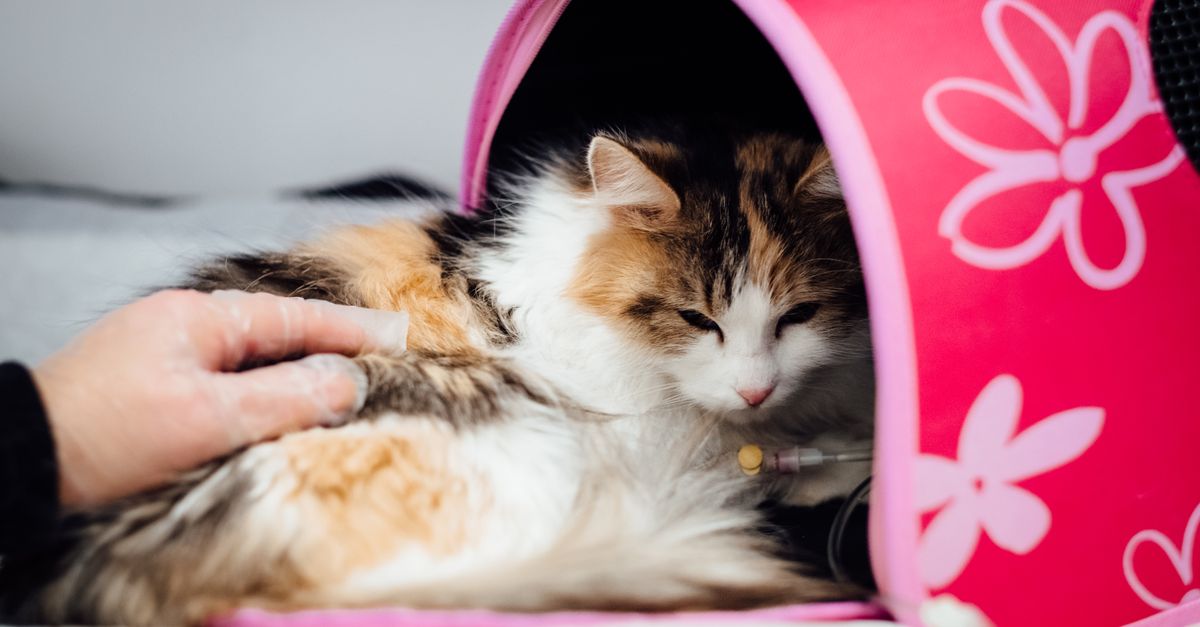
Most pets don’t hate the vet specifically. They hate the chain of events that leads there. The carrier comes out, which means something unpleasant is coming. The car ride is unusual. The waiting room smells like dozens of other animals, including predators if you have a small prey animal like a guinea pig or rabbit. Then a stranger touches them all over. Every step in that chain is a trigger, and each one stacks on top of the last.
The Role of Scent in Pet Anxiety
Dogs and cats process the world primarily through smell. A veterinary clinic carries the scent of fear pheromones left by previous animals, antiseptic cleaners, and unfamiliar humans — all at once. For a cat especially, whose entire sense of safety is built around territorial scent marking, walking into that environment is genuinely disorienting. Wiping down your cat carrier with a clean cloth and then rubbing it gently on your cat’s cheek and flank deposits their own facial pheromones inside the carrier — a simple trick that takes 30 seconds and makes a measurable difference.
Small Pets Have It Harder Than You Think
Rabbits, guinea pigs, and chinchillas are prey animals. Their stress response is more intense than dogs or cats, and they’re better at hiding it — which makes it more dangerous. A rabbit can go into GI stasis from acute stress. Keep small pets away from dogs and cats in the waiting room entirely; ask the receptionist if you can wait in your car and be called in directly. Most clinics will accommodate this without hesitation.
Understanding your pet’s stress response also connects to reading their signals accurately — something worth developing beyond vet visits. Learning to read your pet’s body language at home gives you a much earlier warning system before anxiety escalates.
Carrier Training That Actually Sticks
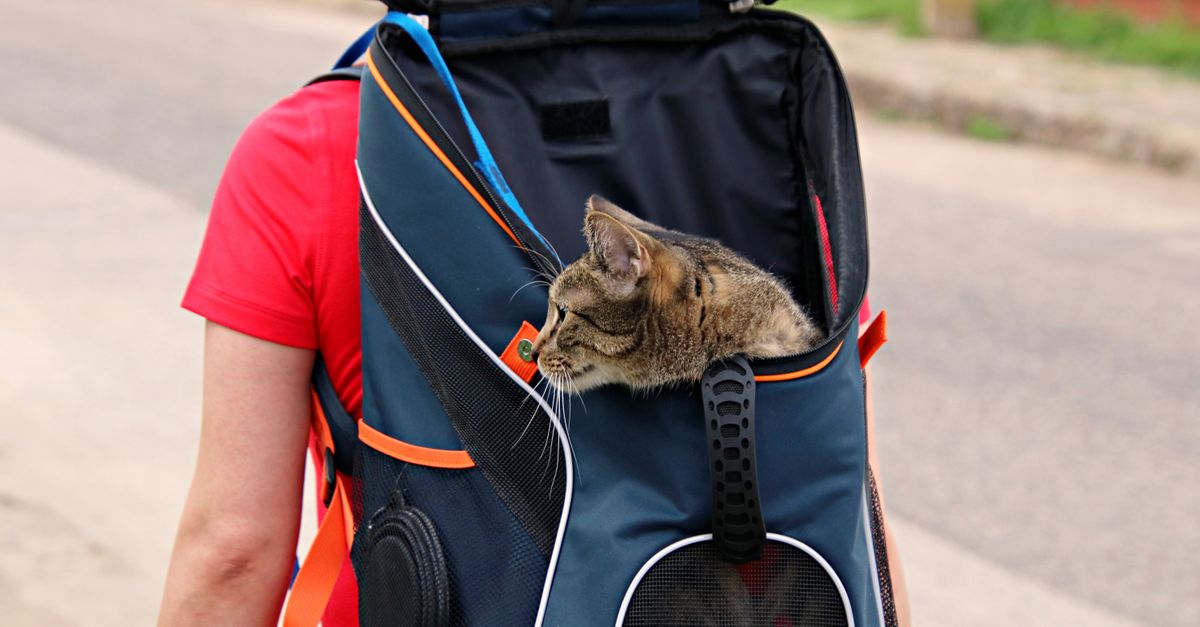
The single most impactful thing you can do for cat and small pet vet visits costs nothing and takes about two weeks. Leave the carrier out permanently — not just the day before an appointment. Put it in a corner of the living room with a soft blanket inside and occasionally drop treats near the entrance, then just inside. Don’t force anything. Within 10 to 14 days, most cats will sleep in it voluntarily.
Making the Carrier a Non-Event
Once your cat goes in on their own, start closing the door for 30 seconds, then a minute, then five. Pick the carrier up and walk around the house. Put it in the car for a short drive to nowhere. These micro-exposures strip the carrier of its predictive power — it no longer means “vet” automatically. A carrier that lives in the closet and only appears before appointments is almost impossible to use stress-free, no matter how much you coax.
Pro tip: Spray one spritz of Feliway Classic (a synthetic feline facial pheromone) inside the carrier 15 minutes before loading your cat. Don’t spray it directly on your cat — the carrier interior only. This works best when the carrier is already familiar.
Preparing Your Dog Before the Appointment
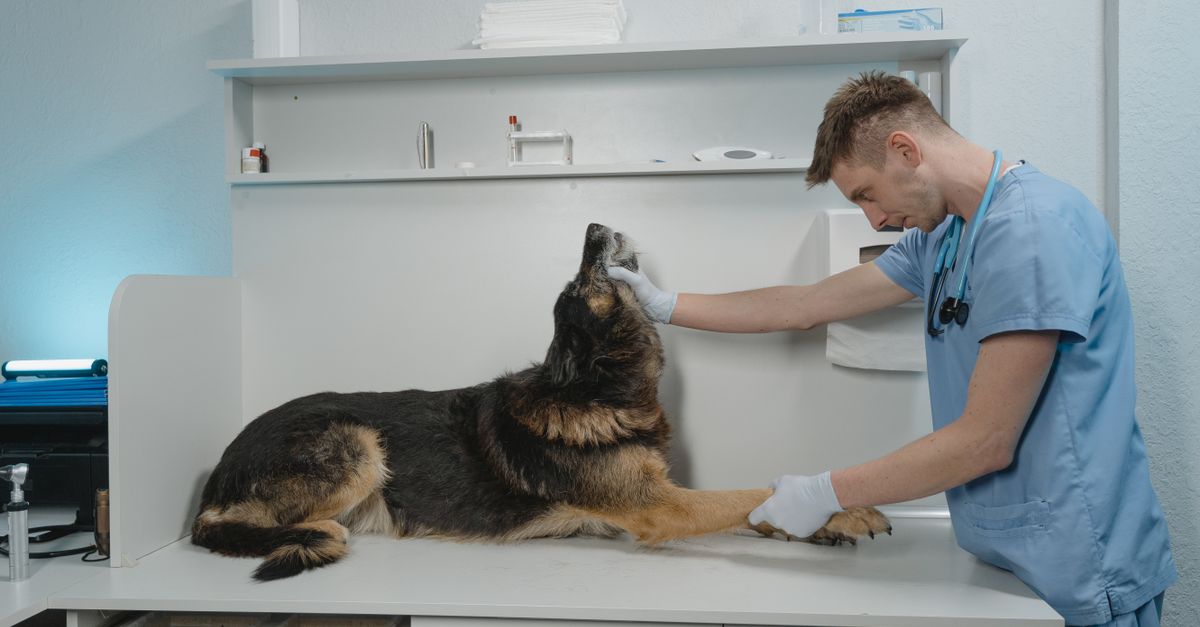
Dogs who are anxious at the vet usually have two things in common: they only go when something is wrong, and they’ve never been there when nothing happens. If your clinic allows it, ask if you can bring your dog in for a “happy visit” — a quick trip where they walk in, get a treat from the receptionist, and leave. No exam. No needles. Just a good experience in that specific building.
Exercise and Timing
Schedule your appointment after a solid 30-minute walk, not before. A dog who has burned off some energy is physiologically calmer — lower cortisol, slower heart rate — and more able to cope with a stressful environment. Avoid feeding a large meal two hours before the appointment; a slightly empty stomach makes treats more motivating during the exam, which is exactly what you want.
Desensitizing Handling at Home
Vets examine ears, mouths, paws, and abdomens. If your dog only ever gets touched in those places at the clinic, of course it feels alarming. Spend five minutes a few times a week handling your dog’s paws, lifting their lips gently, and touching the insides of their ears without doing anything to them. Pair each touch with a small treat. Over a month, this turns clinical handling from something threatening into something predictable. This connects directly to stress-free nail trimming at home — the desensitization process is essentially the same.
Dogs with deeper anxiety around departure and new environments may also show signs that overlap with separation anxiety — worth addressing as a separate issue if your dog’s distress starts before you even leave the driveway.
What to Do During the Appointment Itself
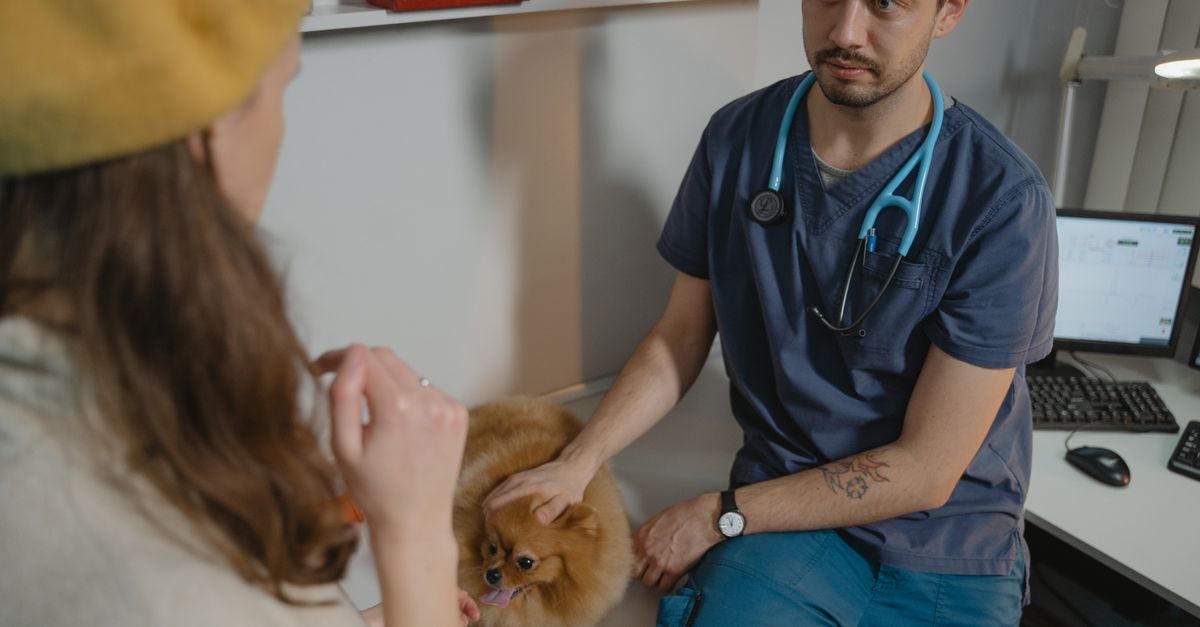
Your own energy matters more than most owners realize. If you’re tense and apologetic, your pet reads that. Stand or sit calmly, speak in a normal conversational tone, and avoid excessive reassurance like “it’s okay, it’s okay” repeated rapidly — that pattern actually signals to animals that something is wrong. Calm, matter-of-fact behavior from you is genuinely reassuring.
Bring high-value treats the pet doesn’t normally get — small pieces of cooked chicken, a lick of peanut butter on a spoon, or commercial freeze-dried liver. Use them continuously during the exam if the vet allows it, not just as a reward at the end. Continuous feeding keeps the nervous system partially occupied and creates a positive association with the specific sensations of being examined.
For cats, ask the vet about a “low-stress handling” or “fear-free” approach. Many clinics now train staff specifically in these techniques — gentler restraint, slower movements, allowing the cat to stay partially in the carrier during parts of the exam. If your clinic doesn’t offer this, it’s worth asking your vet to explain what they do differently, or looking for a Fear Free certified practice in your area.
After the Visit: Recovery Matters Too
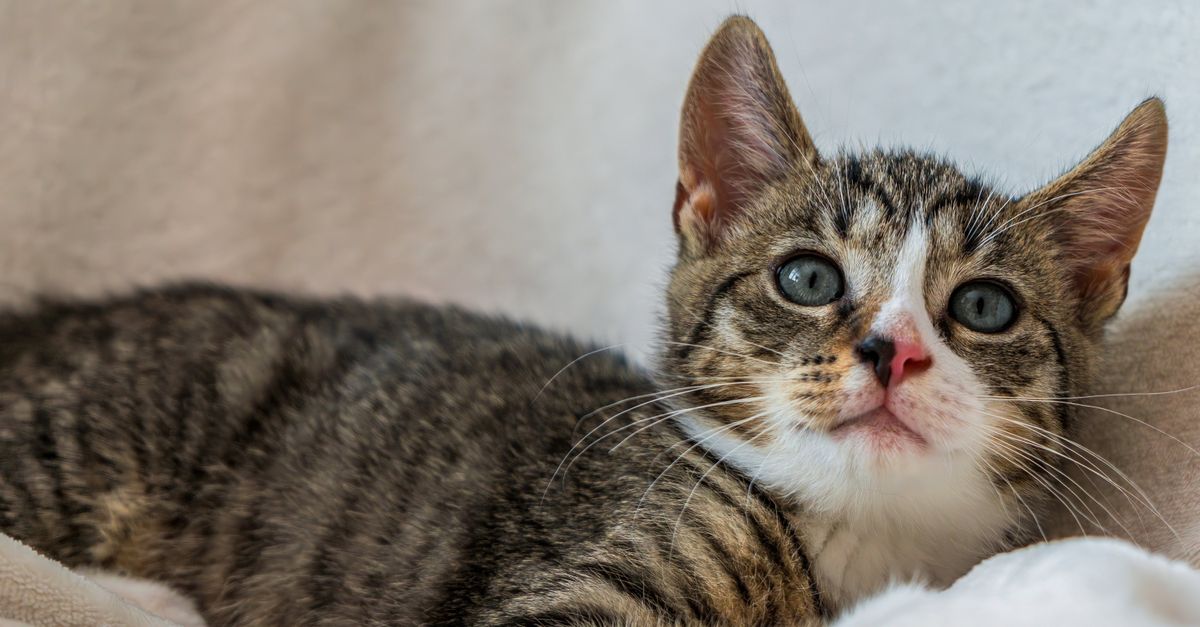
When you get home, give your pet time to decompress before engaging with them. A dog might want to sniff the yard for 10 minutes. A cat should be allowed to retreat to a quiet room without being followed. Don’t immediately offer food or play — let them regulate first. Forcing interaction when they’re still processing the experience doesn’t help.
If you have multiple cats, be aware that the returning cat may smell like the clinic — foreign scents on a familiar animal can trigger aggression from housemates. Separate them for 30 to 60 minutes and let the returning cat groom themselves before reintroduction. This is a genuinely common problem that catches owners off guard.
For small pets like rabbits and guinea pigs, monitor closely for 12 to 24 hours after any vet visit. Watch for normal eating and drinking resuming within two to three hours. If your rabbit hasn’t eaten or produced droppings within four hours of returning home, call your vet — stress-induced GI slowdown can escalate quickly. Keeping small pets well-hydrated generally supports faster recovery; knowing the signs of dehydration and how to address them is a useful skill to have on hand.
Good general health makes vet visits shorter and less stressful too — a pet at a healthy weight requires less prodding to examine and tends to recover from procedures faster. If weight management is something you’re already working on, managing your pet’s weight at home proactively pays dividends well beyond the exam room.
Frequently Asked Questions
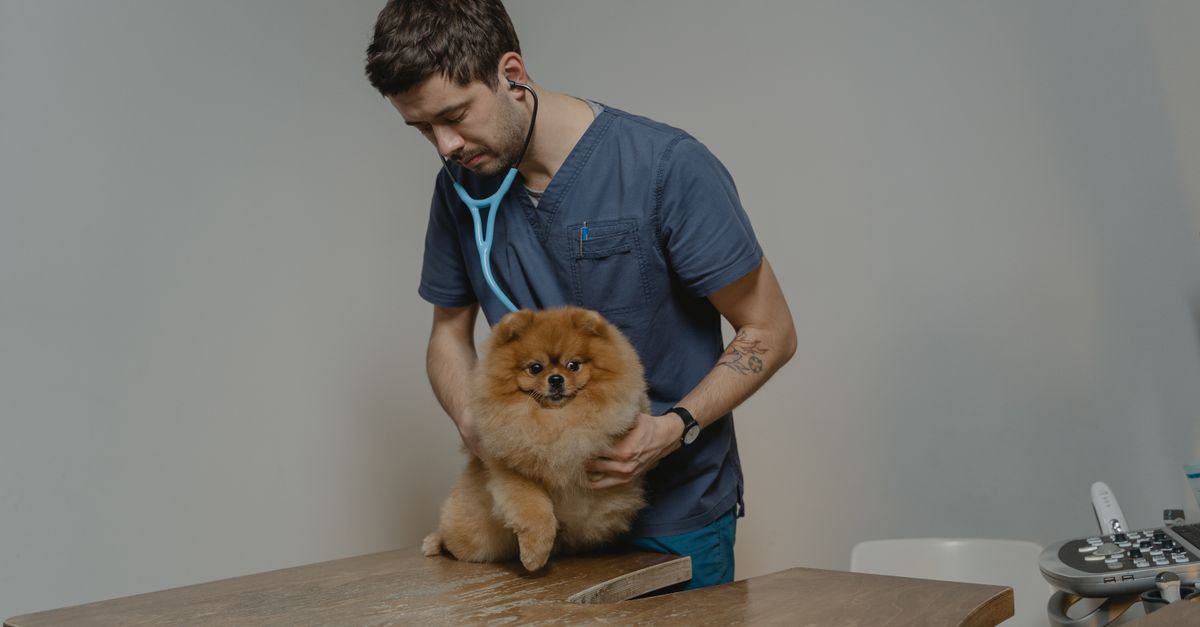
Can I ask my vet to prescribe anti-anxiety medication just for vet visits?
Yes, and it’s more common than you’d think. For pets with severe anxiety — shaking, attempting to bite, complete shutdown — a short-acting anti-anxiety medication like trazodone (for dogs) or gabapentin (for cats) given 90 minutes before the appointment can make the experience manageable rather than traumatic. This doesn’t mean your pet needs medication forever; it’s a tool for breaking the cycle of negative associations while you work on longer-term desensitization.
My dog is fine at the vet alone but panics when my other dog is also there. Why?
Social animals pick up on each other’s stress signals rapidly. If one dog is anxious, their body language, pheromones, and vocalizations trigger a stress response in the other — even a dog that would otherwise be calm. If both dogs need to be seen, try booking separate appointments on different days when possible. If you must bring both, have a second person with you so each dog has an individual handler and they can be kept physically separated in the waiting area.
Is it worth switching vets if my pet consistently has bad experiences at the current clinic?
Sometimes, yes. Handling style varies enormously between practices. If your vet or their technicians routinely use forceful restraint, rush through exams, or dismiss your pet’s distress as normal, that environment will make desensitization almost impossible. Look for practices that advertise Fear Free or Low Stress Handling certification — these aren’t just marketing terms, they reflect specific training in animal behavior and restraint technique. A longer drive to a calmer clinic is often worth it for pets with significant anxiety histories.