
Mastering Pet Litter Box Odor Control Naturally
The smell of a dirty litter box can be overwhelming, and it’s a problem many cat owners face. With over 70% of households in the US owning a pet, pet litter box odor control is a growing concern. Regular cleaning and maintenance are necessary to prevent odor buildup, but choosing the right litter is also important.
Cat owners can reduce pet litter box odor by using natural methods. This approach keeps the litter box clean and fresh, ensuring the safety of both cats and their owners. For example, Mastering Pet Odor Removal Naturally provides insights into removing pet odors, including those from litter boxes, using natural methods.
Establishing a routine is key to litter box maintenance. Daily scooping and weekly cleaning can make a difference in controlling odor. Proper ventilation and litter box placement can help reduce moisture and humidity, contributing to odor buildup.
Choosing the Right Litter for Odor Control
Clumping vs. Non-Clumping Litter
Clumping litter forms clumps when your cat urinates, making it easier to scoop out waste. Non-clumping litter, made from natural materials like pine or corn, may require more frequent changing but can be a healthier alternative for cats who ingest litter.
Natural Litter Options
Natural litters like pine, corn, or wheat are biodegradable and non-toxic. These litters are often less dusty than traditional clay litters, reducing respiratory problems in cats. For more information on managing pet shedding and reducing dust, visit How to Reduce Pet Shedding at Home: Real Solutions.
Maintaining a Clean Litter Box
Scooping and Cleaning Techniques
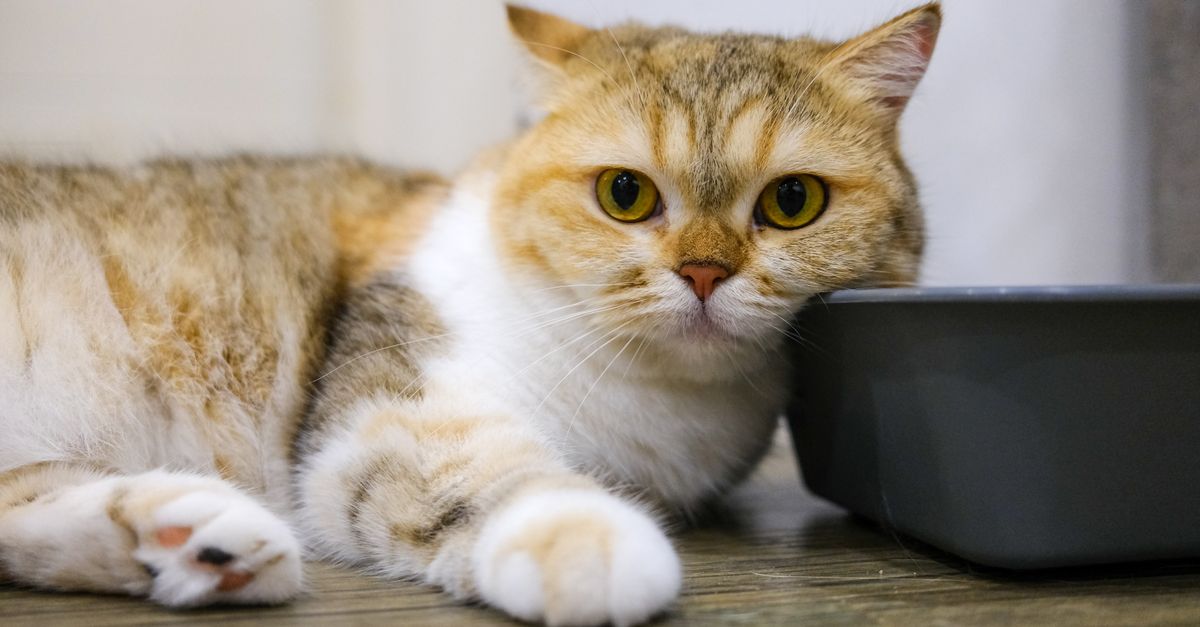
Scooping your cat’s litter box daily is necessary for removing waste and preventing odor buildup. Use a scoop that allows you to remove clumps and solid waste easily, and change the litter completely every 7-10 days.
Litter Box Placement and Ventilation
Proper ventilation and litter box placement can help reduce moisture and humidity, contributing to odor buildup. Place the litter box in a well-ventilated area, away from your cat’s food and water bowls.
Natural Odor-Control Methods
Essential Oil Sprays and Diffusers
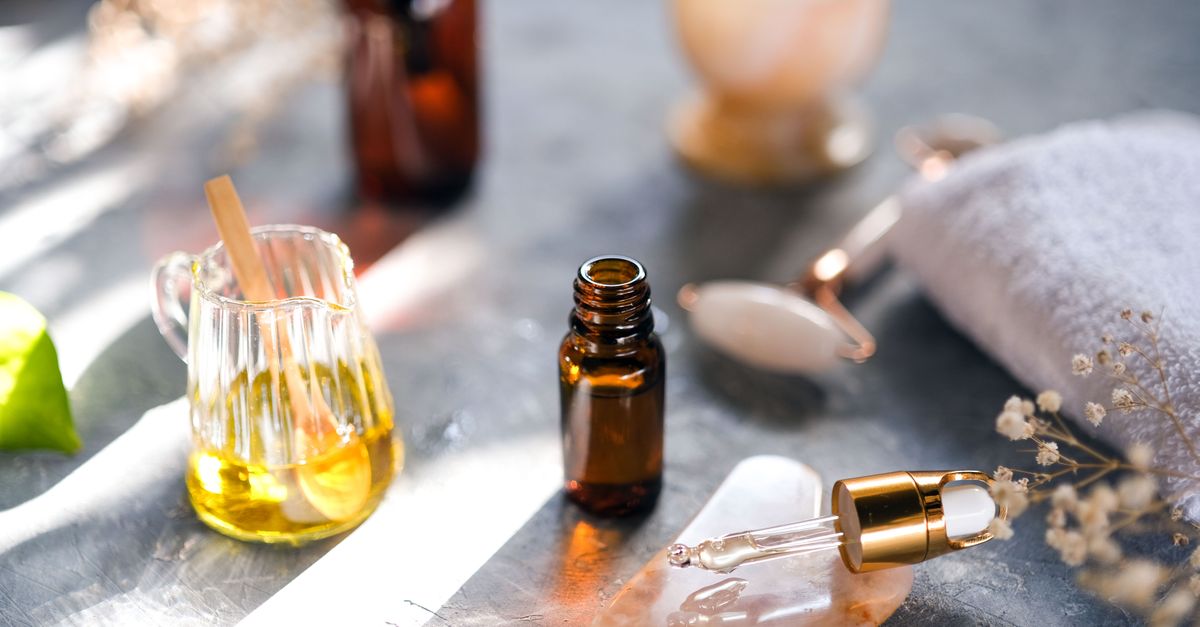
Essential oils like lavender and tea tree oil have natural deodorizing properties that can help control litter box odor. Mix a few drops of essential oil with water and spray the litter box or surrounding area to keep it smelling fresh.
Baking Soda and Activated Charcoal
Baking soda and activated charcoal are natural odor absorbers that can control litter box odor. Sprinkle a thin layer of baking soda or activated charcoal at the bottom of the litter box to absorb moisture and odors.
Common Mistakes to Avoid

Using Harsh Chemicals
Using harsh chemicals to control litter box odor can be hazardous to your cat’s health and the environment. These chemicals can cause respiratory problems, skin irritation, and other health issues in cats.
Inadequate Litter Box Maintenance
Inadequate litter box maintenance can lead to odor buildup, health problems, and behavioral issues in cats. Establish a regular cleaning routine, and consider using a litter box with low sides or a ramp to make it easier for your cat to access.
Pro tip: "Adding a small amount of white vinegar to the litter box can help neutralize odors and reduce bacterial growth."
Frequently Asked Questions
Controlling litter box odor can be challenging, but with the right strategies and techniques, it’s possible to keep your cat’s litter box clean and fresh. Here are some frequently asked questions about pet litter box odor control.
What is the best type of litter for odor control?
The best type of litter for odor control is a natural, clumping litter made from materials like pine or corn. These litters are biodegradable and non-toxic, and can help reduce odor buildup.
How often should I clean the litter box to prevent odor buildup?
Clean the litter box daily by scooping out waste and clumps, and change the litter completely every 7-10 days. This will help prevent odor buildup and keep your cat’s litter box clean and fresh.
Can I use essential oils directly on my cat to control odor?
No, it’s not recommended to use essential oils directly on your cat to control odor. Essential oils can be toxic to cats if ingested or applied to their skin, so it’s best to use them in a diffuser or spray to control litter box odor.
By following these tips and techniques, you can keep your cat’s litter box clean and fresh, and reduce the risk of pet litter box odor buildup. To always prioritize your cat’s health and safety, and opt for natural methods to control litter box odor. With practice, you can master pet litter box odor control and keep your home smelling fresh and clean.