
Mastering Pet Hypoallergenic Grooming
According to recent statistics, approximately 10% of the population suffers from pet allergies, with pet hypoallergenic grooming being a key aspect of reducing allergens in the home. For pet owners who suffer from allergies or have family members with allergies, finding ways to minimize pet dander and allergens is necessary. Pet hypoallergenic grooming techniques and products can help alleviate allergy symptoms, creating a more comfortable living environment for both pets and their owners.
Pet allergies occur when the body’s immune system overreacts to proteins found in pet dander, saliva, or urine. Common symptoms of pet allergies include sneezing, congestion, and itchy eyes. Pet hypoallergenic grooming can help reduce the amount of dander and allergens released into the environment, making it easier for pet owners with allergies to coexist with their pets.
Regular grooming is key to reducing pet allergens, but it’s essential to find the right balance to avoid over-grooming or under-grooming, which can exacerbate allergies. By understanding the importance of pet hypoallergenic grooming and implementing effective techniques, pet owners can create a healthier and more comfortable living environment for both themselves and their pets.
Understanding Pet Allergies and Hypoallergenic Grooming
What are Pet Allergies?
Pet allergies are an overreaction of the body’s immune system to proteins found in pet dander, saliva, or urine. The primary culprit behind pet allergies is a protein called Fel d 1 in cats and Can f 1 in dogs. These proteins are found in the skin, saliva, and urine of pets and can become airborne, triggering allergic reactions in sensitive individuals.
Common symptoms of pet allergies include sneezing, congestion, itchy eyes, and skin rashes. In severe cases, pet allergies can trigger asthma attacks or other respiratory problems. Understanding the causes and symptoms of pet allergies is essential for developing effective pet hypoallergenic grooming strategies.
The importance of pet hypoallergenic grooming cannot be overstated, as it plays a critical role in reducing the amount of dander and allergens released into the environment. By implementing hypoallergenic grooming techniques, pet owners can minimize the risk of allergic reactions and create a healthier living environment for both themselves and their pets.
Benefits of Hypoallergenic Grooming
The benefits of pet hypoallergenic grooming include reduced shedding and dander, healthier skin and coat for pets, and a cleaner home environment. Regular grooming can help remove loose hair and reduce the amount of dander released into the air, making it easier for pet owners with allergies to breathe.
Regular grooming can also improve the overall health of pets. Regular grooming can help detect skin problems, reduce matting and tangling, and prevent hairballs. For more information on pet grooming and health, visit our article on pet grooming.
By incorporating pet hypoallergenic grooming into their daily routine, pet owners can create a more comfortable and healthy living environment for both themselves and their pets. For tips on reducing pet shedding, check out our article on reducing pet shedding.
Hypoallergenic Grooming Techniques and Tools
Brushing and Combing for Hypoallergenic Pets
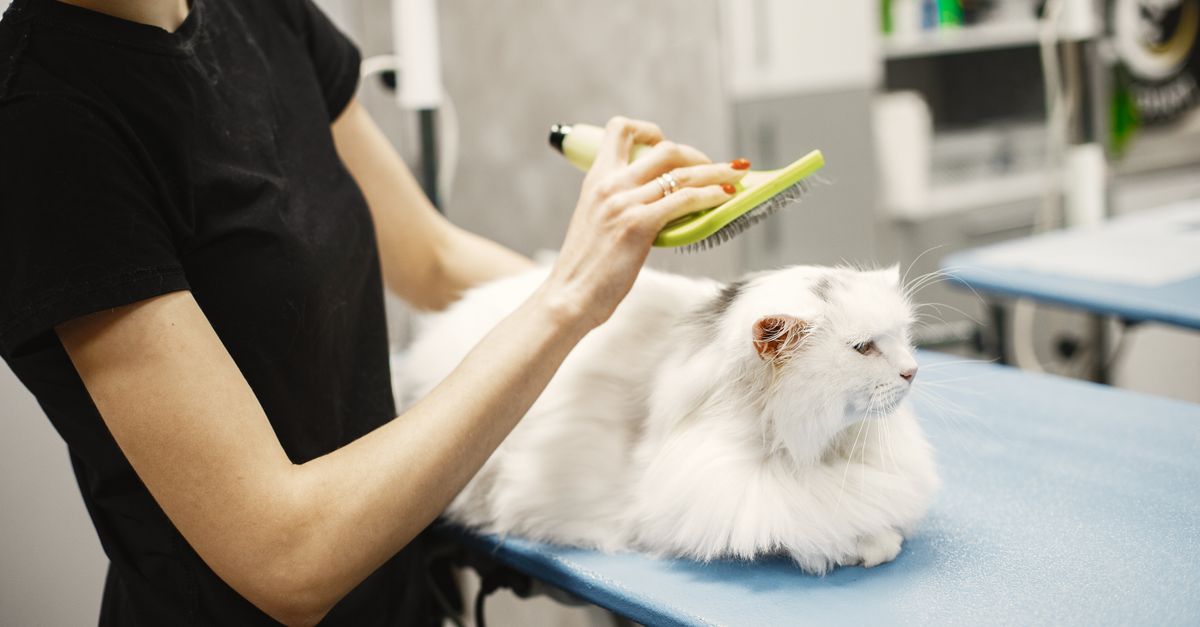
Brushing and combing are essential pet hypoallergenic grooming techniques for removing loose hair and reducing dander. There are several types of brushes and combs suitable for hypoallergenic pets, including slicker brushes, pin brushes, and wide-tooth combs. When choosing a brush or comb, consider the type of coat your pet has and the level of shedding they experience.
A step-by-step guide to brushing and combing includes starting with gentle strokes, working from head to tail, and being careful not to mat or tangle the fur. For pets with long hair, it’s essential to use a wide-tooth comb to prevent matting and tangling. For more information on pet grooming tools, visit our article on pet grooming tools.
Tips for reducing shedding and matting include brushing your pet regularly, using the right brush or comb for their coat type, and avoiding over-grooming. Over-grooming can lead to skin irritation and increased shedding, making it essential to find the right balance. For advice on pet nail trimming, check out our article on pet nail trimming.
Bathing and Shampooing for Hypoallergenic Pets
Bathing and shampooing are crucial pet hypoallergenic grooming techniques for reducing dander and allergens. When bathing your pet, it’s essential to use a gentle, hypoallergenic shampoo specifically designed for their coat type. Avoid using human shampoos, as they can be too harsh for pets and strip their coat of its natural oils.
Recommended shampoos and conditioners for hypoallergenic pets include those containing oatmeal, aloe vera, or coconut oil. These ingredients can help soothe and moisturize the skin, reducing irritation and inflammation. For more information on pet skin allergies, visit our article on pet skin allergies.
When bathing and shampooing your pet, it’s essential to be gentle and avoid over-bathing, as this can lead to dry, irritated skin. For tips on pet bathing and shampooing, check out our article on pet bathing.
Creating a Hypoallergenic Home Environment

Regular Grooming Schedules and Maintenance
Regular grooming is essential for maintaining a hypoallergenic home environment. The frequency of grooming depends on the type of pet and their coat, but most pets require daily or weekly grooming. A sample grooming schedule for dogs includes brushing their coat daily, bathing them weekly, and trimming their nails monthly.
For cats, a sample grooming schedule includes brushing their coat daily, bathing them monthly, and trimming their nails every 6-8 weeks. It’s essential to establish a regular grooming routine to reduce shedding and dander, making it easier to maintain a clean and hypoallergenic home environment. For advice on pet grooming schedules, visit our article on pet grooming schedules.
Regular grooming can help detect skin problems, reduce matting and tangling, and prevent hairballs. By incorporating regular grooming into their daily routine, pet owners can create a healthier and more comfortable living environment for both themselves and their pets. For more information on pet health, check out our article on pet health.
Hypoallergenic Pet Breeds and Recommendations
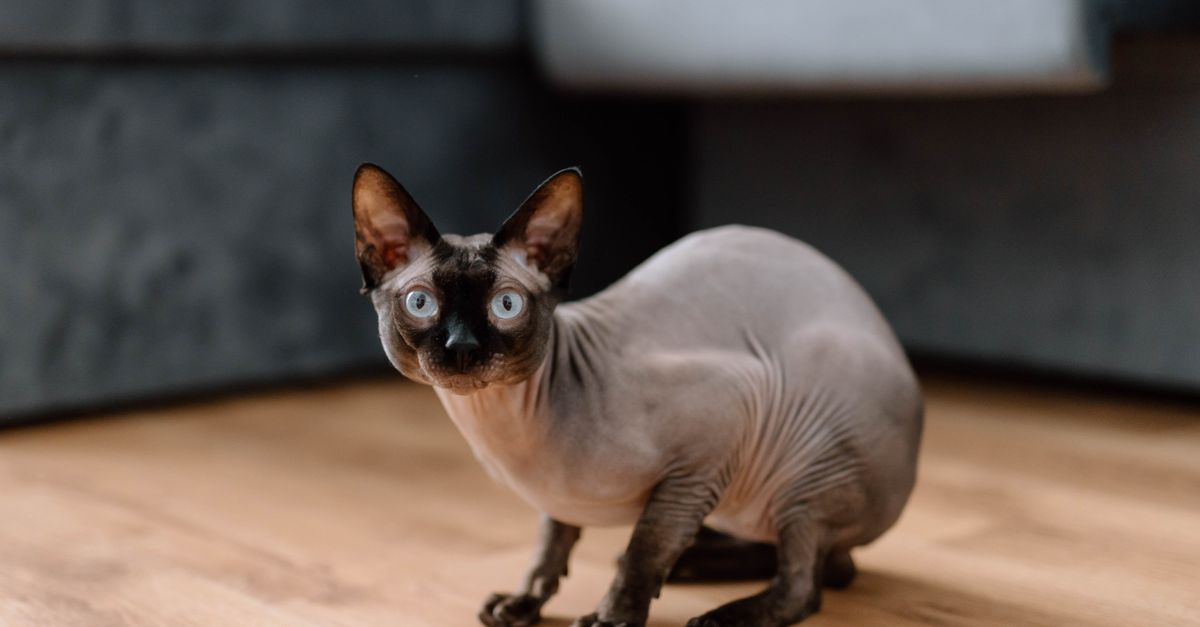
For pet owners who suffer from allergies, choosing a hypoallergenic pet breed can be an excellent option. Hypoallergenic pet breeds include Poodles, Bichon Frise, and Sphynx cats, which produce fewer allergens than other breeds. When choosing a hypoallergenic pet breed, it’s essential to consider factors such as grooming needs, energy level, and temperament.
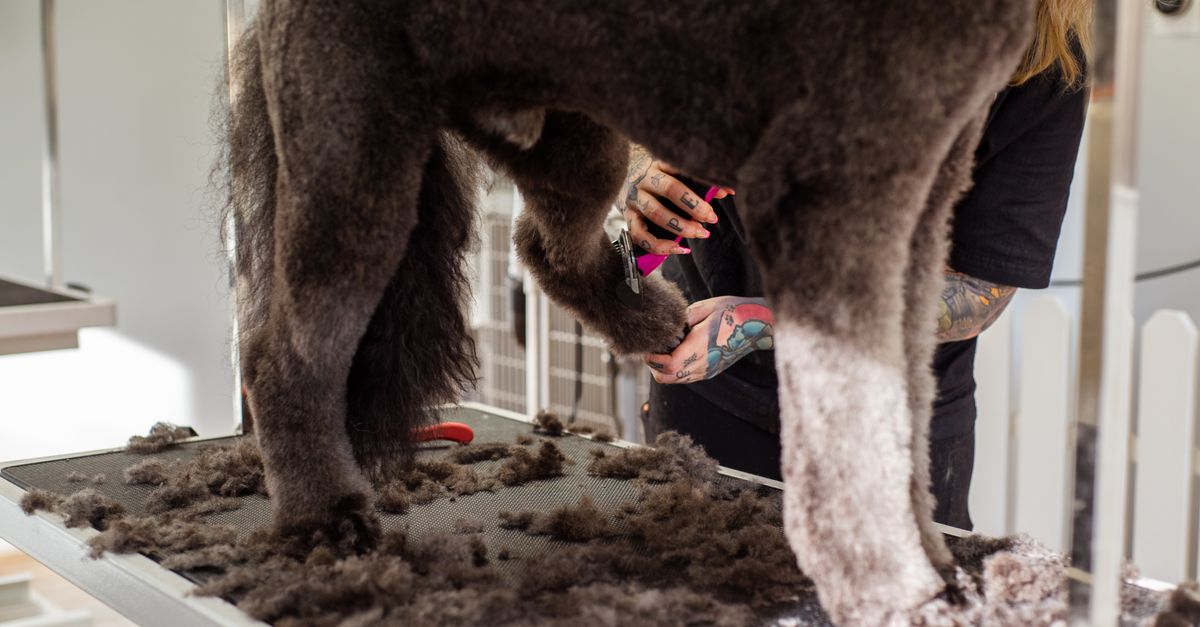
Factors to consider when choosing a hypoallergenic pet include the amount of shedding, the type of coat, and the level of dander produced. Some breeds, such as the Poodle, require regular grooming to prevent matting and tangling, while others, such as the Sphynx, require regular bathing to maintain their skin health. For more information on hypoallergenic pet breeds, visit our article on hypoallergenic pet breeds.
Ultimately, the best hypoallergenic pet breed for you will depend on your lifestyle, living situation, and personal preferences. By researching and understanding the needs and characteristics of different breeds, you can make an informed decision and find a pet that suits your needs. For advice on introducing a new pet to your home, check out our article on introducing a new pet.
Common Mistakes in Hypoallergenic Grooming

Over-Grooming and Under-Grooming
Over-grooming and under-grooming are common mistakes in pet hypoallergenic grooming that can exacerbate allergies. Over-grooming can lead to skin irritation, increased shedding, and a higher risk of allergic reactions. Under-grooming, on the other hand, can lead to matting, tangling, and a buildup of dander and allergens.
Risks of over-grooming and under-grooming include skin problems, increased shedding, and a higher risk of allergic reactions. To avoid these mistakes, it’s essential to find the right balance and establish a regular grooming routine. For tips on pet grooming, visit our article on pet grooming tips.
Tips for finding the right balance include starting with gentle strokes, working from head to tail, and being careful not to mat or tangle the fur. By avoiding over-grooming and under-grooming, pet owners can create a healthier and more comfortable living environment for both themselves and their pets.
Using the Wrong Grooming Tools and Products
Using the wrong grooming tools and products is a common mistake in pet hypoallergenic grooming that can exacerbate allergies. Common mistakes include using human grooming products, which can be too harsh for pets, and using the wrong type of brush or comb for their coat.
Recommendations for hypoallergenic-friendly alternatives include using gentle, pH-balanced shampoos and conditioners specifically designed for pets. When choosing grooming tools, consider the type of coat your pet has and the level of shedding they experience. For more information on pet grooming tools, visit our article on pet grooming tools.
Regular grooming is key to reducing pet allergens, but it’s essential to find the right balance to avoid over-grooming or under-grooming, which can exacerbate allergies.
Frequently Asked Questions
Frequently asked questions about pet hypoallergenic grooming include how often to groom your pet, what type of grooming tools and products to use, and how to reduce shedding and dander. Below, we’ll answer some of the most common questions and provide tips and advice for pet owners.
How often should I groom my hypoallergenic pet?
The frequency of grooming depends on the type of pet and their coat, but most pets require daily or weekly grooming. A sample grooming schedule for dogs includes brushing their coat daily, bathing them weekly, and trimming their nails monthly. For cats, a sample grooming schedule includes brushing their coat daily, bathing them monthly, and trimming their nails every 6-8 weeks.
Can I use human grooming products on my pet?
No, it’s not recommended to use human grooming products on your pet, as they can be too harsh and strip their coat of its natural oils. Instead, use gentle, pH-balanced shampoos and conditioners specifically designed for pets. When choosing grooming products, consider the type of coat your pet has and the level of shedding they experience.
Are all hypoallergenic pets created equal, or are some breeds better than others?
No, not all hypoallergenic pets are created equal, and some breeds are better suited for pet owners with allergies. Hypoallergenic pet breeds include Poodles, Bichon Frise, and Sphynx cats, which produce fewer allergens than other breeds. When choosing a hypoallergenic pet breed, consider factors such as grooming needs, energy level, and temperament.
Pet hypoallergenic grooming is a crucial aspect of reducing allergens in the home and creating a healthier and more comfortable living environment for both pets and their owners. By understanding the importance of hypoallergenic grooming and implementing effective techniques, pet owners can enjoy the companionship of their pets while minimizing the risk of allergic reactions. For more information on pet care and health, visit our website and explore our range of articles and resources.