
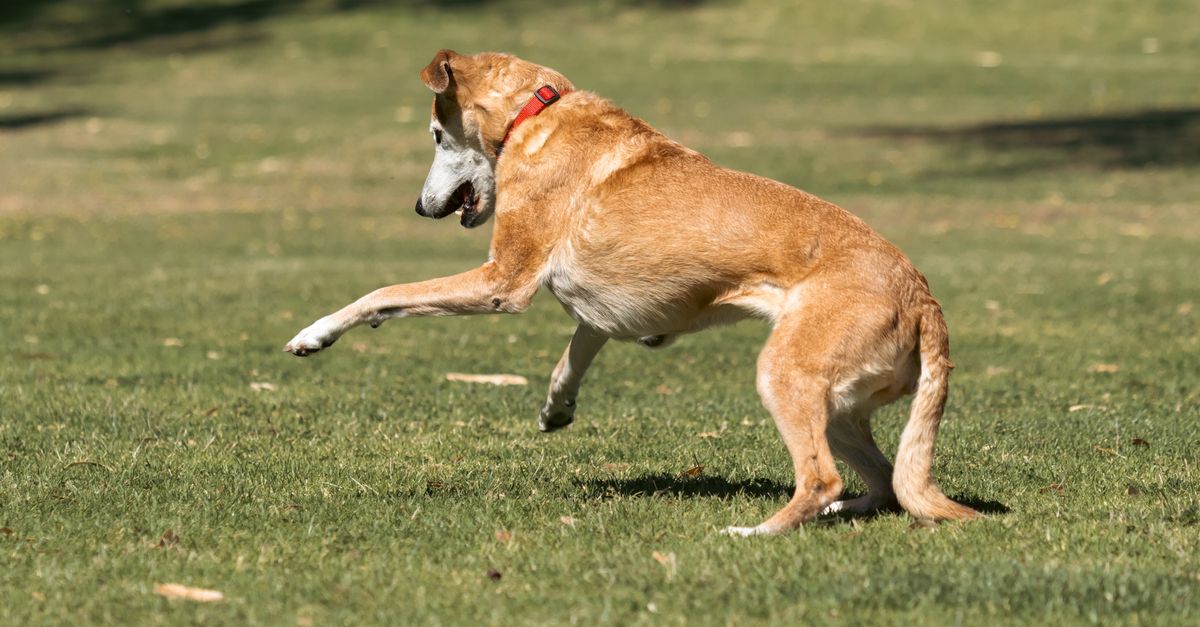
Pet Summer Safety: Heatstroke Prevention Tips
As the summer months approach, pet heatstroke prevention becomes a top priority for pet owners. According to the American Animal Hospital Association, hundreds of pets die each year from heatstroke, a condition that can be prevented with proper care and attention. Pet heatstroke prevention involves recognizing the signs of heatstroke, providing a safe and cool environment, and taking immediate action if you suspect your pet has heatstroke.
Pets, especially dogs, are susceptible to heatstroke due to their coats and inability to sweat. As a responsible pet owner, it’s critical to take proactive measures to prevent heatstroke and ensure your pet’s safety during the summer months. This includes providing plenty of fresh water, shade, and cool spaces for your pet to relax.
Heatstroke can occur quickly, and it’s critical to recognize the signs and symptoms to take prompt action. If you suspect your pet has heatstroke, act fast and seek veterinary care immediately.
Understanding Pet Heatstroke

Signs and Symptoms of Heatstroke
Heatstroke occurs when a pet’s body temperature exceeds 106°F (41°C), causing damage to their brain, heart, and other organs. Common signs and symptoms of heatstroke in pets include excessive panting, drooling, rapid heartbeat, and lethargy. If you notice any of these symptoms, act quickly and seek veterinary care.
Early recognition and response are critical in preventing long-term damage or death. If you suspect your pet has heatstroke, move them to a cool, well-ventilated area, and provide plenty of fresh water for them to drink.
For more information on recognizing the signs of heatstroke, you can visit our article on How to Build a Pet First Aid Kit That Actually Works, which includes a section on heatstroke symptoms and treatment.
Preventing Heatstroke in Pets
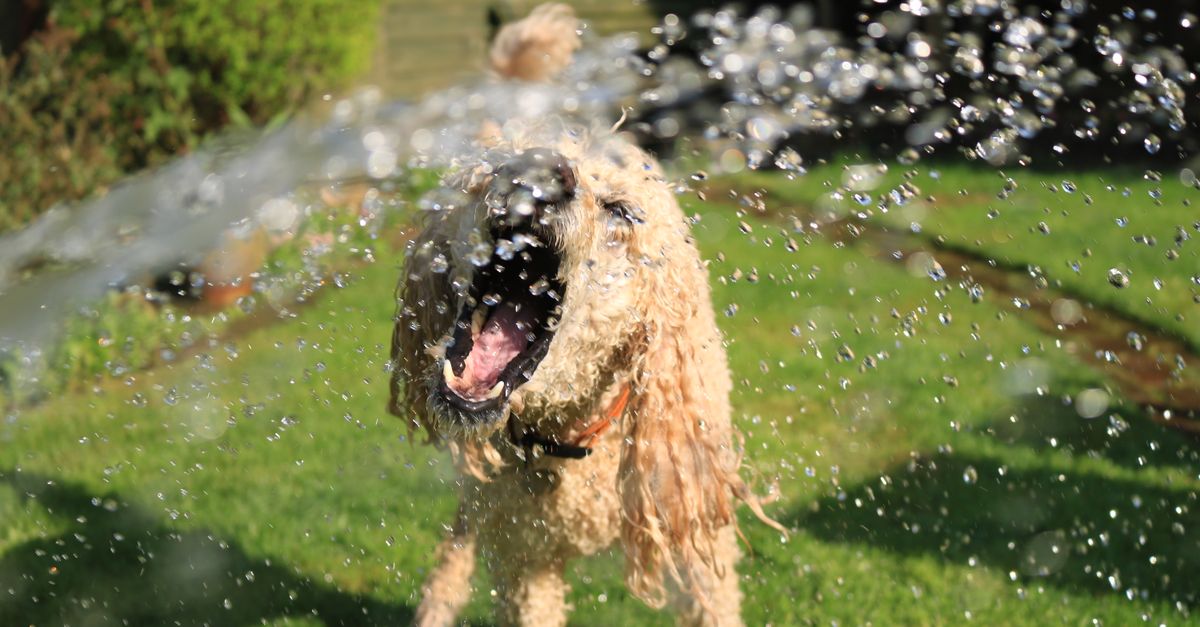
Providing Shade and Cooling
There are several methods for keeping pets cool, including fans, misting systems, and cooling pads. Fans can provide a gentle breeze to help lower your pet’s body temperature, while misting systems can provide a cool, fine spray to help reduce heat stress.
Cooling pads, such as gel packs or cooling mats, can also be used to provide a cool surface for your pet to lie on. It’s critical to provide plenty of fresh water and shade for your pet to prevent dehydration and heatstroke.
You can also use a pet water fountain to encourage your pet to drink more water. For more information on keeping your pet hydrated, you can visit our article on How to Keep Pets Hydrated: Signs and Simple Fixes.
Avoiding Hot Cars and Other Hazards
Leaving pets in hot cars is a significant risk factor for heatstroke, as the temperature inside a car can quickly rise to extreme levels. Even with the windows cracked, the temperature inside a car can reach 120°F (49°C) in just a few minutes.
Never leave your pet unattended in a car, even for a short period. Consider using pet-friendly transportation options, such as a pet carrier or a dog stroller, to keep your pet safe and cool.
You can also visit our article on Exotic Pets and Kids: Safety, Care, and Bonding Tips Every Family Should Know for more information on pet-friendly transportation options.
Responding to Heatstroke Emergencies
Emergency Response Plans
If you suspect your pet has heatstroke, act quickly and seek veterinary care immediately. Move your pet to a cool, well-ventilated area, and provide plenty of fresh water for them to drink.
It’s critical to have a plan in place in case of a heatstroke emergency. This includes having a list of emergency contact numbers, such as your veterinarian and a local animal hospital, and knowing the signs and symptoms of heatstroke.
For more information on emergency response plans, you can visit our article on How to Build a Pet First Aid Kit That Actually Works, which includes a section on heatstroke emergency response plans.
Heatstroke Treatment and Recovery
Treatment for heatstroke typically involves providing a cool, safe environment, and addressing any related health issues, such as dehydration or organ damage. Your veterinarian may also prescribe medication to help manage your pet’s symptoms and prevent further complications.
Recovery from heatstroke can take time, and it’s critical to provide your pet with plenty of rest, fresh water, and a nutritious diet. You can also visit our article on Pet Nail Trimming at Home: Stress-Free Tips That Work for more information on how to care for your pet during the recovery process.
For more information on heatstroke treatment and recovery, you can visit our article on Pet Dental Care: Easy At-Home Routine, which includes tips on how to care for your pet’s dental health during the recovery process.
Additional Tips for Pet Summer Safety

Summer Safety Precautions
Summer can be a fun and exciting time for pets, but it’s critical to take precautions to ensure their safety. This includes monitoring weather forecasts and adjusting pet care plans accordingly, as well as taking steps to prevent heatstroke and other summer-related health issues.
You can visit our article on How Pets Impact Your HVAC System Performance (And What to Do About It) for more information on how to keep your pet cool and safe during the summer months.
For more information on summer safety precautions, you can visit our article on What to Do Before, During, and After Tick Season, which includes tips on how to prevent tick-borne illnesses and other summer-related health issues.
Frequently Asked Questions
The following are some frequently asked questions about pet heatstroke prevention and summer safety.
What are the most common signs of heatstroke in pets?
The most common signs of heatstroke in pets include excessive panting, drooling, rapid heartbeat, and lethargy. If you notice any of these symptoms, act quickly and seek veterinary care immediately.
How can I keep my pet cool during hot weather?
There are several ways to keep your pet cool during hot weather, including providing plenty of fresh water, shade, and cool spaces for your pet to relax. You can also use fans, misting systems, and cooling pads to help lower your pet’s body temperature.
What should I do if I suspect my pet has heatstroke?
If you suspect your pet has heatstroke, act quickly and seek veterinary care immediately. Move your pet to a cool, well-ventilated area, and provide plenty of fresh water for them to drink. You can also use a wet cloth to help lower their body temperature.
By following these tips and taking the necessary precautions, you can help keep your pet safe and healthy during the summer months. To always prioritize pet heatstroke prevention and never leave your pet unattended or without access to fresh water and shade. With the right care and attention, your pet can enjoy the summer months and stay cool and comfortable all season long.