
Pet Eye Care Essentials
As a pet owner, prioritizing your pet’s pet eye care is necessary to prevent and treat common eye issues, such as conjunctivitis and cataracts, which can cause discomfort, vision loss, and even blindness. According to the American Animal Hospital Association, conjunctivitis is one of the most common eye issues in dogs and cats, affecting up to 20% of pets. Regular pet eye care can help prevent these issues.
Conjunctivitis, also known as pink eye, is a highly contagious and common eye issue in pets. Recognizing the symptoms, such as redness, discharge, and squinting, is crucial to provide prompt treatment. For more information on pet health, you can check out our article on Pet Fire Safety: Protecting Your Home and Pets.
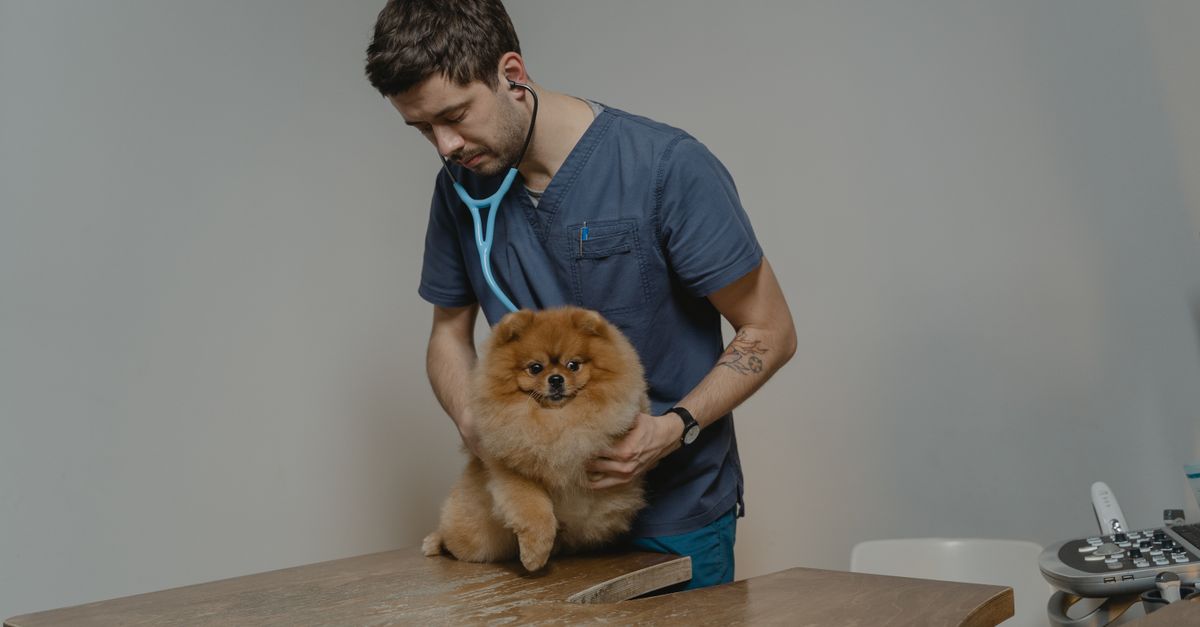
Regular veterinary check-ups are critical for pet eye care. Your veterinarian can help identify potential eye issues early on and provide guidance on prevention and treatment. You can also learn more about building a pet first aid kit to be prepared in case of emergencies.
Understanding Common Eye Issues in Pets

Conjunctivitis in Dogs and Cats
Conjunctivitis is a common eye issue in pets, causing redness, discharge, and squinting. Recognizing the symptoms and providing prompt treatment is necessary to prevent complications. Your veterinarian may prescribe antibiotics or anti-inflammatory medication to treat conjunctivitis.
Treatment options for conjunctivitis include topical antibiotics, anti-inflammatory medication, and supportive care. Prevention tips include avoiding contact with infected pets and keeping your pet’s eyes clean. You can also learn more about reducing pet shedding to minimize the risk of eye issues.
Regular pet eye care can help prevent conjunctivitis and other eye issues. It’s necessary to work with your veterinarian to develop a prevention plan tailored to your pet’s needs.
Cataracts in Dogs and Cats
Cataracts are a common eye issue in older pets, causing vision loss and blindness. Recognizing the symptoms, such as cloudy eyes, is crucial to provide prompt treatment. Treatment options for cataracts include surgery, medication, and supportive care.
Prevention tips for cataracts include providing regular veterinary check-ups and maintaining a healthy diet. A well-balanced diet rich in omega-3 fatty acids can help support eye health. For more information on pet nutrition, you can check out our article on How to Switch Pet Food Without Stomach Upset.
Regular pet eye care can help prevent cataracts and other eye issues. It’s necessary to work with your veterinarian to develop a prevention plan tailored to your pet’s needs.
Preventing Eye Issues in Pets
Regular Eye Exams
Regular eye exams are crucial to prevent and detect eye issues in pets. Your veterinarian can help identify potential eye issues early on and provide guidance on prevention and treatment. It’s essential to schedule regular eye exams, especially for older pets or pets with a history of eye issues.
During an eye exam, your veterinarian will check your pet’s eyes for signs of disease or injury. They may also perform diagnostic tests to evaluate your pet’s eye health. For more information on pet care and health, you can check out our article on How to Keep Pets Hydrated: Signs and Simple Fixes.
Regular eye exams can help prevent eye issues and detect problems early on. It’s necessary to work with your veterinarian to develop a prevention plan tailored to your pet’s needs.
Proper Eye Cleaning
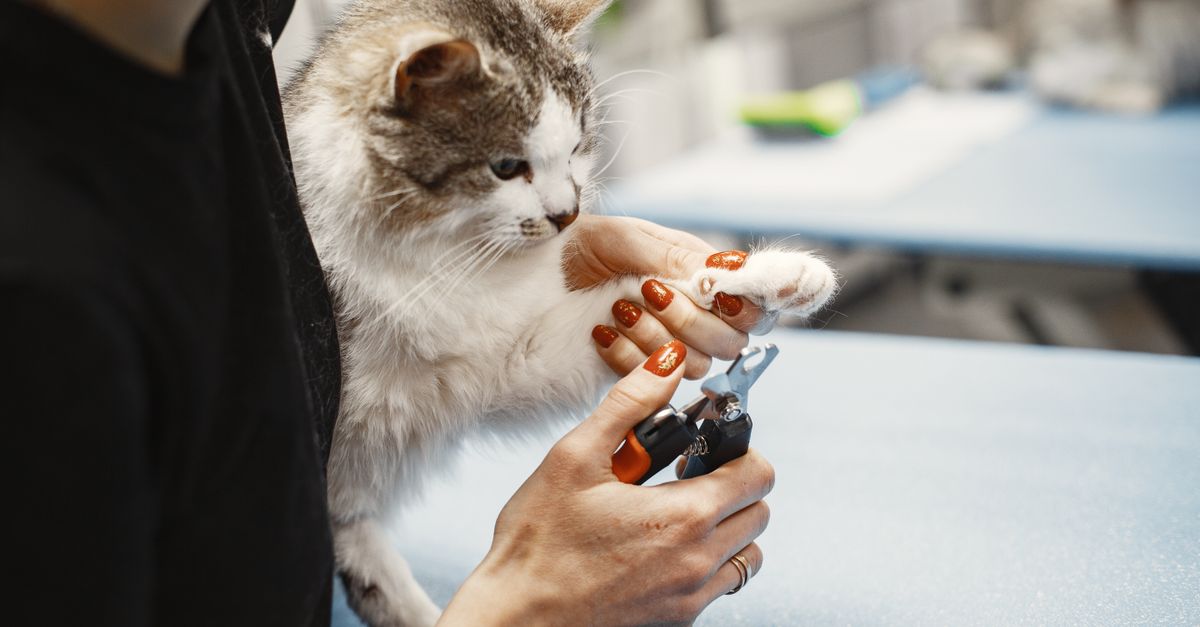
Proper eye cleaning is essential to prevent eye issues in pets. It’s crucial to keep your pet’s eyes clean and free of debris to prevent infections and irritation. You can use a damp cloth or cotton ball to gently clean your pet’s eyes.
Avoid using harsh chemicals or soap to clean your pet’s eyes, as this can cause irritation and damage. Instead, use a gentle, pet-specific eye cleaning solution. You can also learn more about how to protect your pet from diseases and parasites.
Regular eye cleaning can help prevent eye issues and detect problems early on. It’s necessary to work with your veterinarian to develop a prevention plan tailored to your pet’s needs.
Treating Eye Issues in Pets

Medication and Surgery
Treatment options for eye issues in pets depend on the underlying cause and severity of the condition. Your veterinarian may prescribe medication, such as antibiotics or anti-inflammatory medication, to treat eye issues. In some cases, surgery may be necessary to treat conditions such as cataracts or glaucoma.
It’s essential to work with your veterinarian to develop a treatment plan tailored to your pet’s needs. Your veterinarian can help you understand the treatment options and provide guidance on post-operative care. You can also learn more about the challenge of vet costs and how to navigate them.
Regular follow-up care is crucial to ensure your pet’s eye health and prevent complications. It’s necessary to work with your veterinarian to develop a follow-up care plan tailored to your pet’s needs.
Nutrition and Eye Health

Importance of Omega-3 Fatty Acids
Omega-3 fatty acids are necessary for eye health in pets. They help reduce inflammation and promote healthy vision. Food sources of omega-3 fatty acids include fish, flaxseeds, and chia seeds.
A well-balanced diet rich in omega-3 fatty acids can help support eye health and prevent eye issues. It’s essential to work with your veterinarian to develop a nutrition plan tailored to your pet’s needs. You can also learn more about How to Manage Pet Weight at Home Before It’s a Problem.
Regular check-ups with your veterinarian can help ensure your pet is receiving the necessary nutrients for optimal eye health. It’s necessary to work with your veterinarian to develop a prevention plan tailored to your pet’s needs.
Pro Tip and Warning
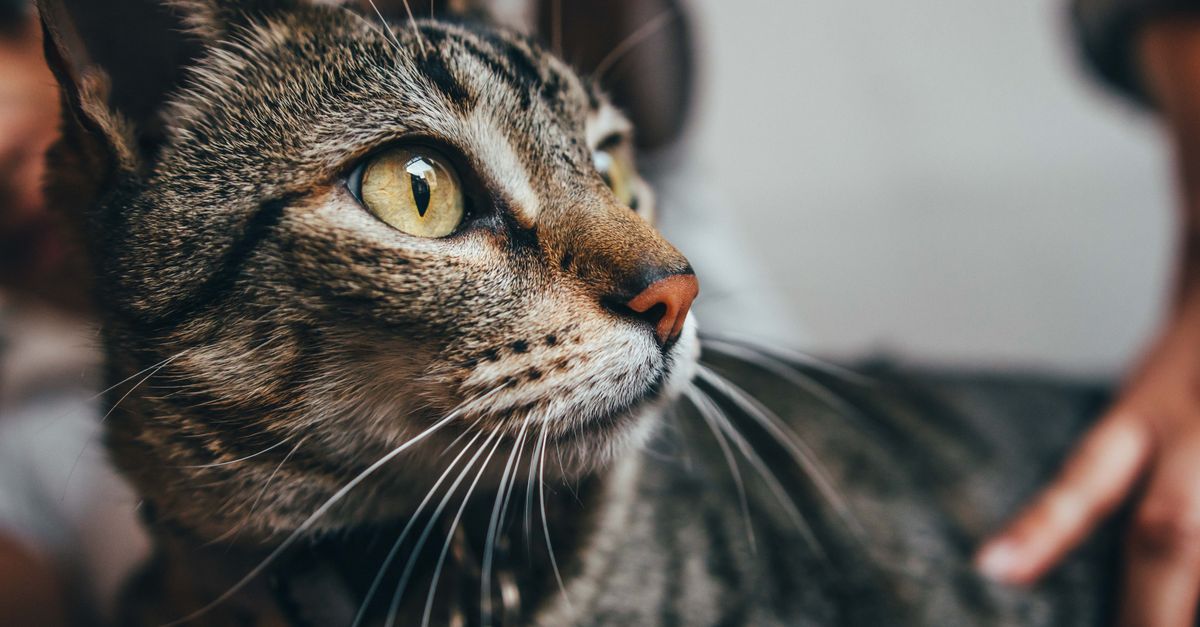
if you notice any changes in your pet’s eye health, seek veterinary care immediately. Delaying treatment can lead to serious and permanent damage.
Frequently Asked Questions
Frequently asked questions about pet eye care can help you better understand how to keep your pet’s eyes healthy. Here are some common questions and answers to help you get started.
How often should I take my pet to the vet for an eye exam?
It’s essential to take your pet to the vet for an eye exam at least once a year, or more often if your pet has a history of eye issues or is prone to certain health conditions. Your veterinarian can help you determine the best schedule for your pet’s eye exams.
What are the most common eye issues in dogs and cats?
The most common eye issues in dogs and cats include conjunctivitis, cataracts, and glaucoma. Regular eye exams can help detect these issues early on, and treatment can help prevent complications and promote healthy vision.
Can I use human eye drops on my pet?
No, it’s not recommended to use human eye drops on your pet. Human eye drops can be toxic to pets, and may cause serious side effects or interactions with other medications. Instead, consult with your veterinarian to determine the best course of treatment for your pet’s eye issues.
By following these tips and working with your veterinarian, you can help keep your pet’s eyes healthy and prevent eye issues. To seek veterinary care immediately if you notice any changes in your pet’s eye health. With proper care and attention, you can help your pet enjoy a lifetime of healthy vision and overall well-being.