
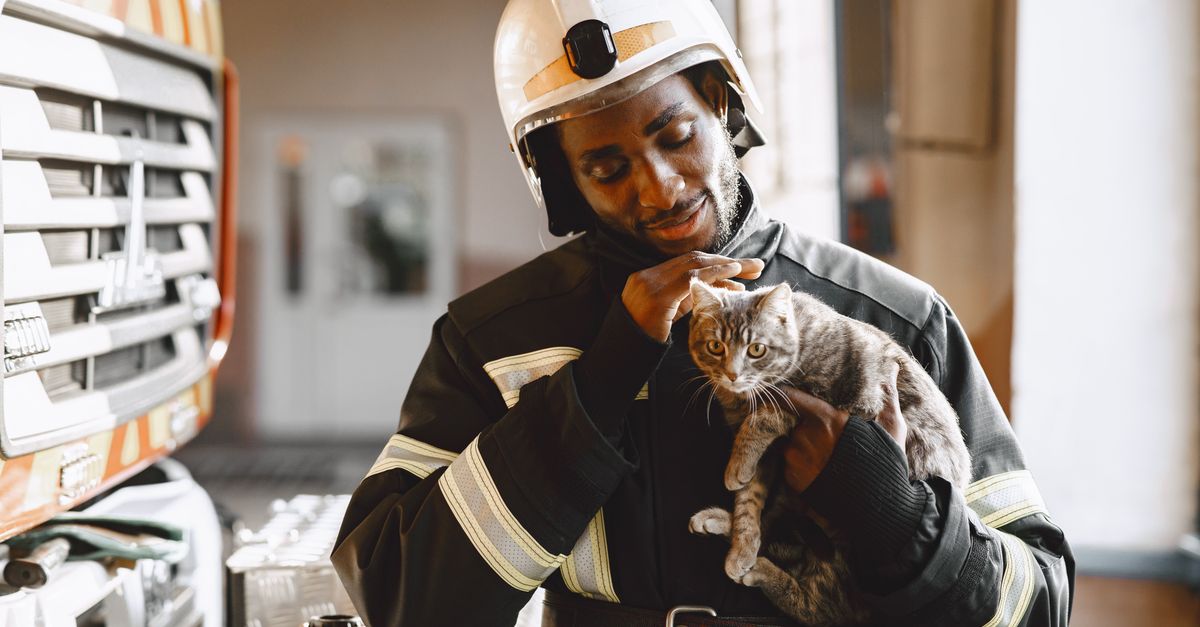
Pet Fire Safety: Protecting Your Home and Pets
You’re sitting in your living room, surrounded by the comforting sounds of your pets playing and sleeping, when suddenly you hear the smoke alarm blaring in your ear. Your heart skips a beat as you realize that a fire has broken out in your home. In the chaos that follows, it’s easy to forget about the most vulnerable members of your family: your pets. But with a little planning and preparation, you can ensure their safety and well-being in the event of a fire.
Most owners think that pet fire safety is just a matter of having a working smoke alarm, but the reality is that there’s much more to it. According to the American Veterinary Medical Association, thousands of pets die each year in house fires, often due to lack of planning and preparation. By taking a few simple steps, you can significantly reduce the risk of your pets being harmed in a fire.
Creating a Pet Fire Safety Plan
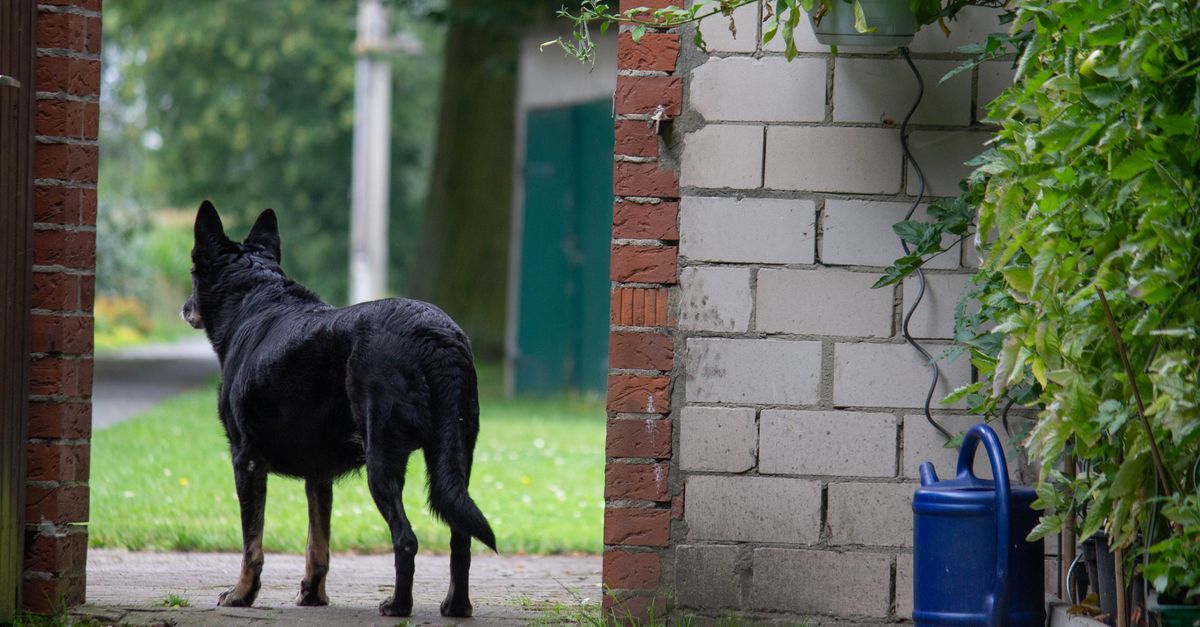
A pet fire safety plan is essential for ensuring that your pets are protected in the event of a fire. This plan should include a clear escape route, a designated meeting spot outside the home, and a plan for how to get your pets out of the house quickly and safely. You should also make sure that all doors and windows are easily accessible, and that any pet doors or gates are secure.
Identifying Fire Hazards
One of the most important steps in creating a pet fire safety plan is to identify potential fire hazards in your home. This can include things like electrical cords, candles, and space heaters, which can all be dangerous for pets. By taking steps to pet-proof your home, you can significantly reduce the risk of a fire breaking out.
Pro tip: Make sure to keep any flammable materials, such as curtains or bedding, away from heat sources, and never leave candles or space heaters unattended.
Fire Alarms and Detection
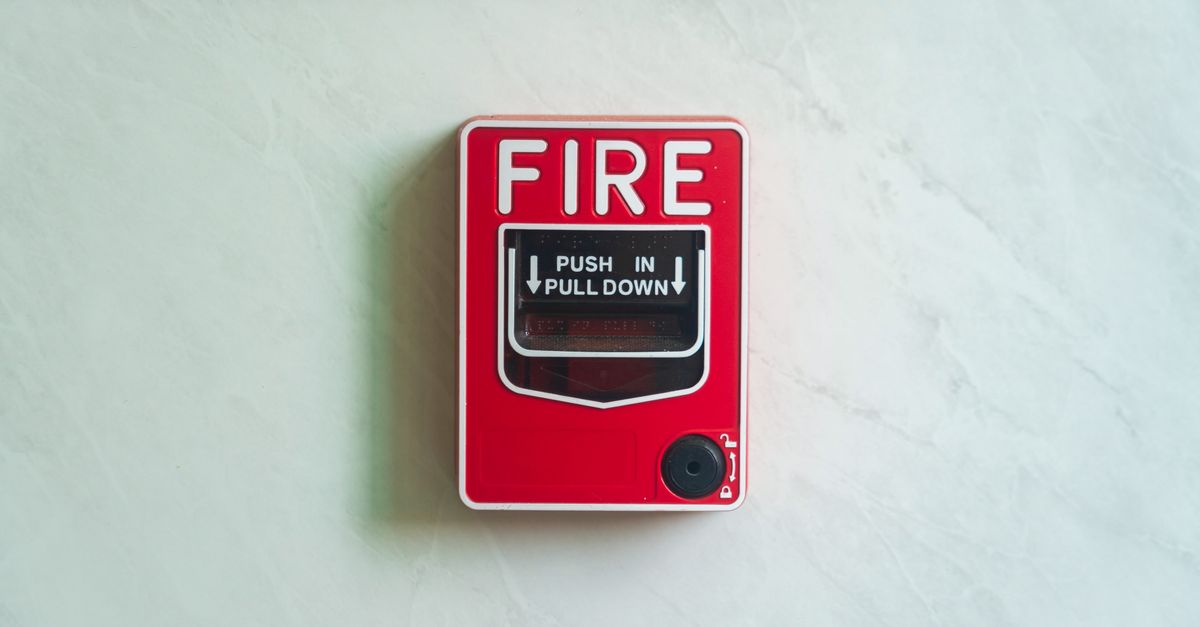
Fire alarms are a crucial part of any pet fire safety plan. By installing working smoke alarms on every level of your home, you can ensure that you and your pets are alerted in the event of a fire. You should also make sure to test your smoke alarms regularly, and to replace the batteries at least once a year.
Fire Alarm Maintenance
Fire alarm maintenance is essential for ensuring that your smoke alarms are working properly. This includes testing the alarms regularly, replacing the batteries, and cleaning the sensors to ensure that they are free from dust and debris. By taking these simple steps, you can ensure that your smoke alarms are always ready to alert you in the event of a fire.
Pet Fire Safety Precautions

In addition to creating a pet fire safety plan and installing working smoke alarms, there are several other precautions you can take to protect your pets in the event of a fire. This includes keeping a pet emergency kit on hand, which should include essentials like food, water, and any necessary medication. You should also make sure to keep your pets’ vaccination records and identification tags up to date, in case you need to evacuate your home quickly.
Evacuation Procedures
Evacuation procedures are an essential part of any pet fire safety plan. This includes knowing the best escape routes from your home, and having a plan for how to get your pets out of the house quickly and safely. You should also make sure to practice your evacuation plan with your pets regularly, so that they are familiar with the procedure and can follow it in the event of a fire.
Frequently Asked Questions
What should I do if my pet is trapped in a room during a fire?
If your pet is trapped in a room during a fire, it’s essential to stay calm and think clearly. Try to find an alternate escape route, or call the fire department for assistance. Never attempt to enter a burning building to rescue your pet, as this can put you and your pet at risk of serious harm.
How can I prevent my pet from starting a fire?
There are several steps you can take to prevent your pet from starting a fire, including keeping any flammable materials out of reach, and never leaving candles or space heaters unattended. You should also make sure to keep your pets occupied and engaged, to reduce the risk of them getting into mischief.
What should I do if my pet is injured in a fire?
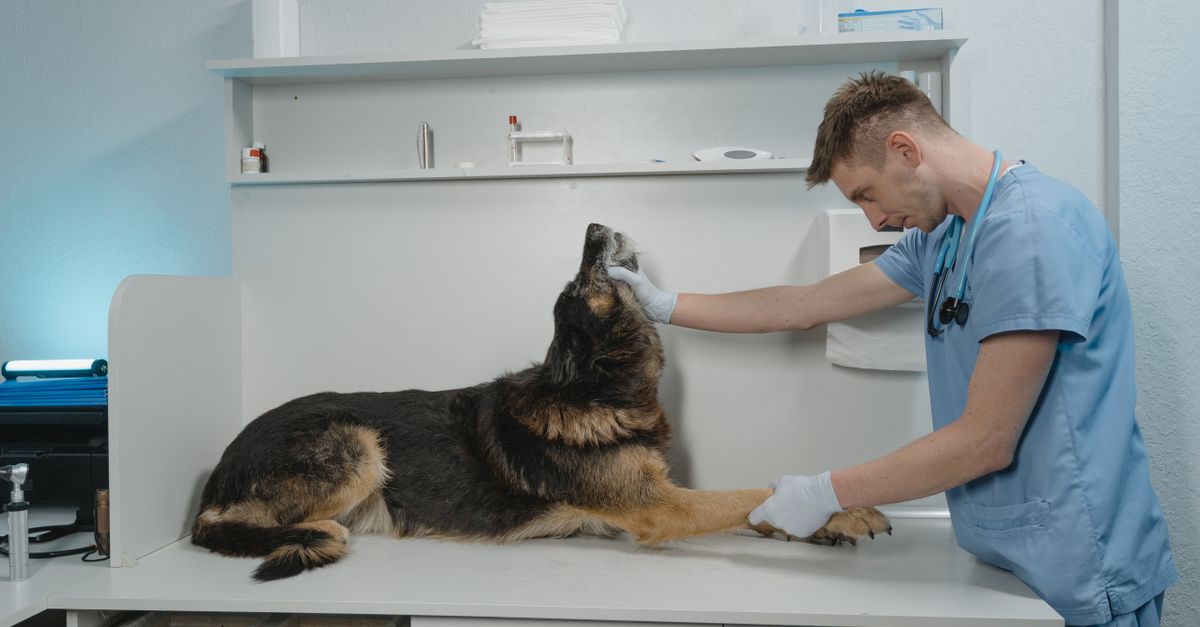
If your pet is injured in a fire, it’s essential to seek veterinary care immediately. Keep a list of emergency contact numbers, including your veterinarian and a local animal hospital, and make sure to have a pet first aid kit on hand. By taking these simple steps, you can help ensure that your pets receive the care they need in the event of a fire.